
The Ministry of Infrastructure informed the Ombudsman (Rzecznik Praw Obywatelskich, RPO) that work is ongoing on an amendment to the Road Traffic Law that would set rules for accounting for measurement error when determining speeding and sanctions. Today, a 50 zł fine and a penalty point threaten drivers for just 1 km/h over the limit.
Ministry’s response to the RPO
The information was revealed by the Ombudsman in the public information bulletin, updating the case on November 16, which he has been handling since 2022. The Ombudsman’s letter from April 2025 was forwarded by the Ministry of Interior and Administration (MSWiA) to the Ministry of Infrastructure. In a reply dated November 5, Deputy Minister of Infrastructure Stanisław Bukowiec wrote that a working group at the National Road Safety Council discussed the measurement error issue in June 2024, but no decisions have been made so far.
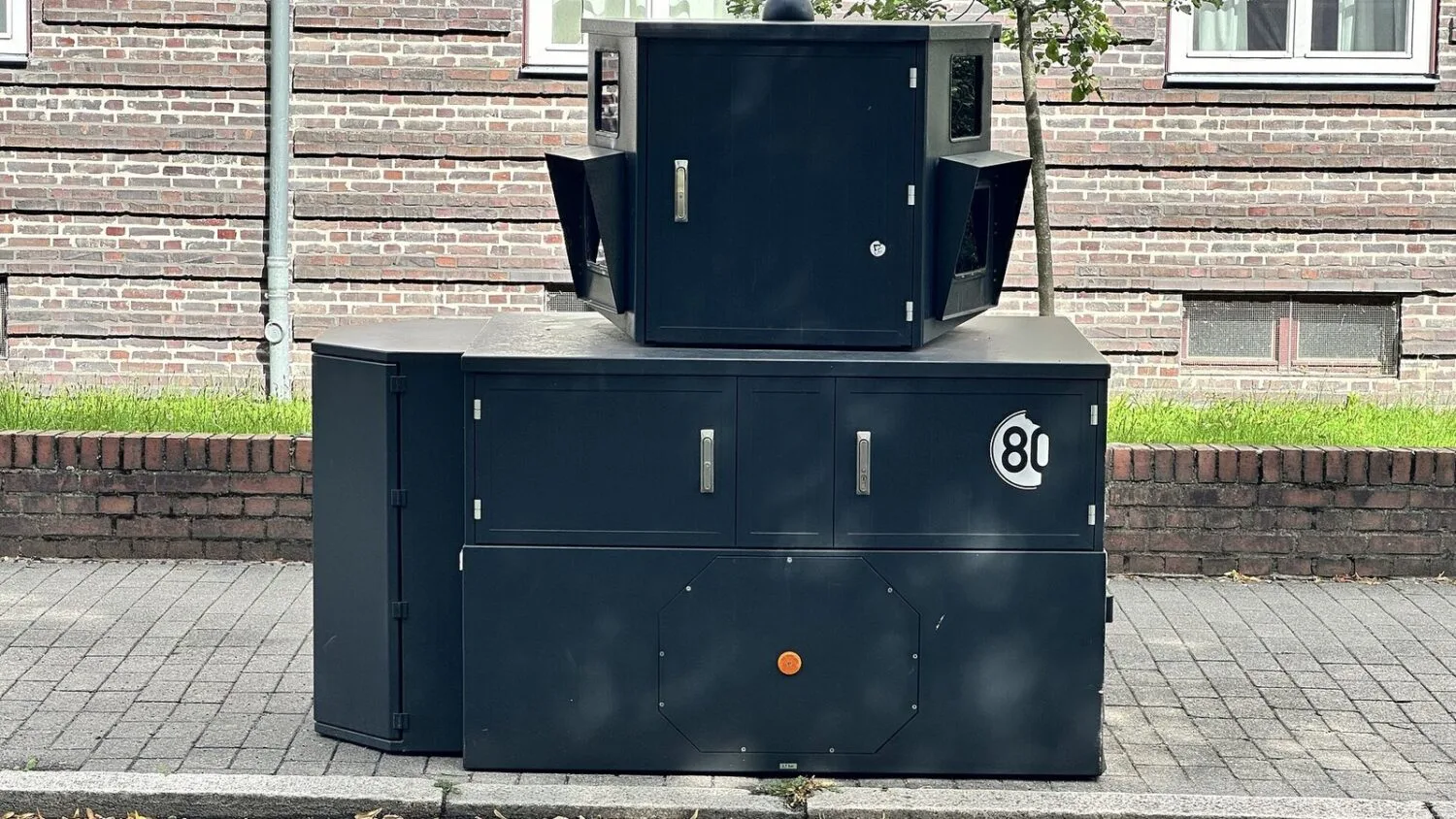
The ministry, citing the General Inspectorate of Road Transport (GITD), stressed that devices used by CANARD have valid calibration certificates and the results they record are currently considered the vehicle’s actual speed. In parallel, work continues on the draft amendment to the Road Traffic Law (UD263) prepared by the Ministry of Infrastructure. According to the letter, the draft is at the stage of analyzing comments from consultations and opinions, and its wording may still change.
What drivers face today
The penalty schedule provides for speeding “up to 10 km/h” a 50 zł fine and one penalty point, with no lower limit – so also for 1 km/h. At 11 km/h over the limit, the fine rises to 100 zł and two penalty points.
The Ombudsman points out that the permissible error of measuring devices outside a laboratory is ±3 km/h for speeds up to 100 km/h and ±3% above. He proposes subtracting the margin in the driver’s favor, which would move the penalty threshold to 4 km/h. In 2023, MSWiA saw no urgent need for changes, arguing that the number of road accident victims had fallen after the 2022 changes.
What the draft provides
According to the draft published by the Government Legislation Centre (art. 129g sec. 2a and 2b), a device would record an offence only when the limit is exceeded by more than 10 km/h, and when setting the penalty, 5 km/h would be subtracted from the recorded speed, or 6 km/h on motorways and expressways. For example, a driver going 132 km/h on an expressway would be punished as if at 126 km/h. The mechanism would apply to devices of the General Inspectorate of Road Transport, including speed cameras and section speed measurement.
The same draft tightens rules for vehicle owners. Whoever does not accept a fine within 30 days of notification, does not refuse to accept it, or does not name the driver, will pay an administrative fee: from 1,500 zł (exceeding the limit by up to 30 km/h) to 7,500 zł (above 71 km/h). If paid within 30 days, the fee would be 20% lower.
This does not mean the fine for 1 km/h over the limit will disappear in all situations. The draft does not cover measurements made by police during traffic stops. As of publication, no date was given for sending the draft to the Sejm or for the changes to take effect. Until the rules change, the current penalty schedule applies, and a driver who disagrees with a measurement may refuse to accept the fine, which sends the case to court.