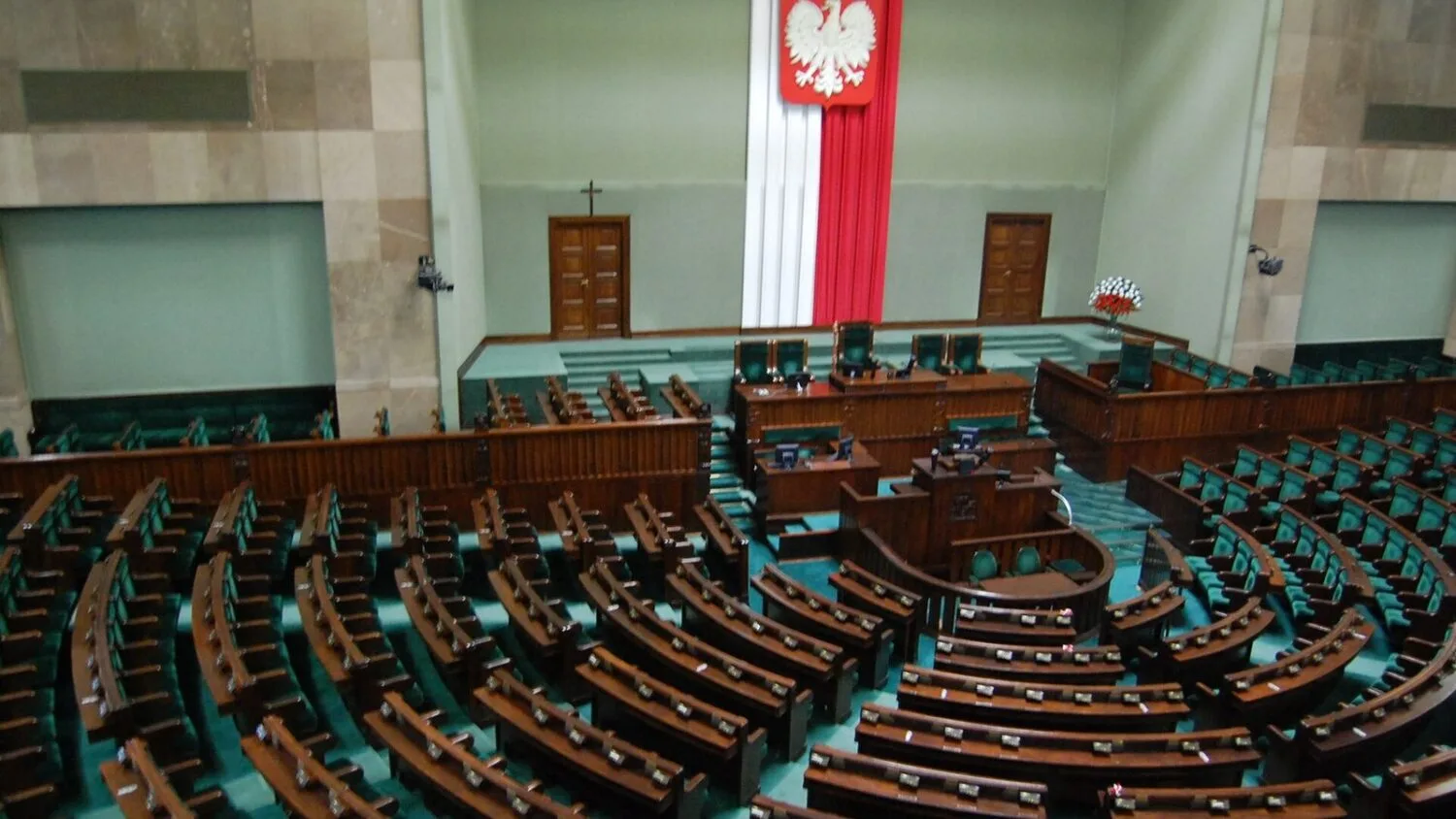
On Tuesday, 17 November, the Sejm subcommittee on mental health returns to the draft act on the psychotherapist profession after a 15-month break. The national consultant in this field warns that AI chatbots do not replace a specialist.
The bill goes back to the subcommittee
The MPs’ draft act on the psychotherapist profession and its professional self-government (print no. 1345) was submitted to the Sejm on 11 February 2025. The first reading took place on 9 July 2025, after which the document was sent to the Health Committee and the standing subcommittee on mental health. The draft grants psychotherapists the status of a profession of public trust and creates a professional self-government.
In July 2025, the Sejm Legislative Bureau assessed that the draft in its current form was not fit for adoption. Amendments were prepared by a team appointed by the health minister by order of 19 December 2025. It completed its work on 5 October 2026, and its “Proposal of solutions” was handed to the Sejm legislators. Deputy Health Minister Katarzyna Kęcka stressed that the ministry only supports MPs, because the draft is a parliamentary bill.
Exams, supervision, accountability
According to Dr Łukasz Müldner-Nieckowski, the national consultant in psychotherapy, anyone holding a master’s degree in any field who passes a test at the Medical Examinations Centre will be able to enter training. Preparation for the profession is to take place within postgraduate education. The draft also provides for mandatory supervision at least once every 30 days and disciplinary liability.
This liability is meant to cover the use of methods inconsistent with scientific knowledge. The expert cited “Hellinger constellations” as an example, which in his view do not meet the criterion of scientific verification. He described psychotherapy as a medical profession, not coaching: a well-trained coach says that the person they work with is a “client, not a patient”.
AI chatbots instead of a specialist
Müldner-Nieckowski noted that people today seek immediate help in chatbots based on large language models instead of from a psychologist or psychotherapist. He pointed to this as a problem linked to regulating the profession and to distinguishing real therapy from its substitutes.
At present, as supporters of the act argue, practically anyone can call themselves a psychotherapist, regardless of their education. The community is divided over the details, although it agrees that the act is needed. The act would take effect within a year of its publication, but as of the time of publication, no schedule for further work in the Sejm is known.