
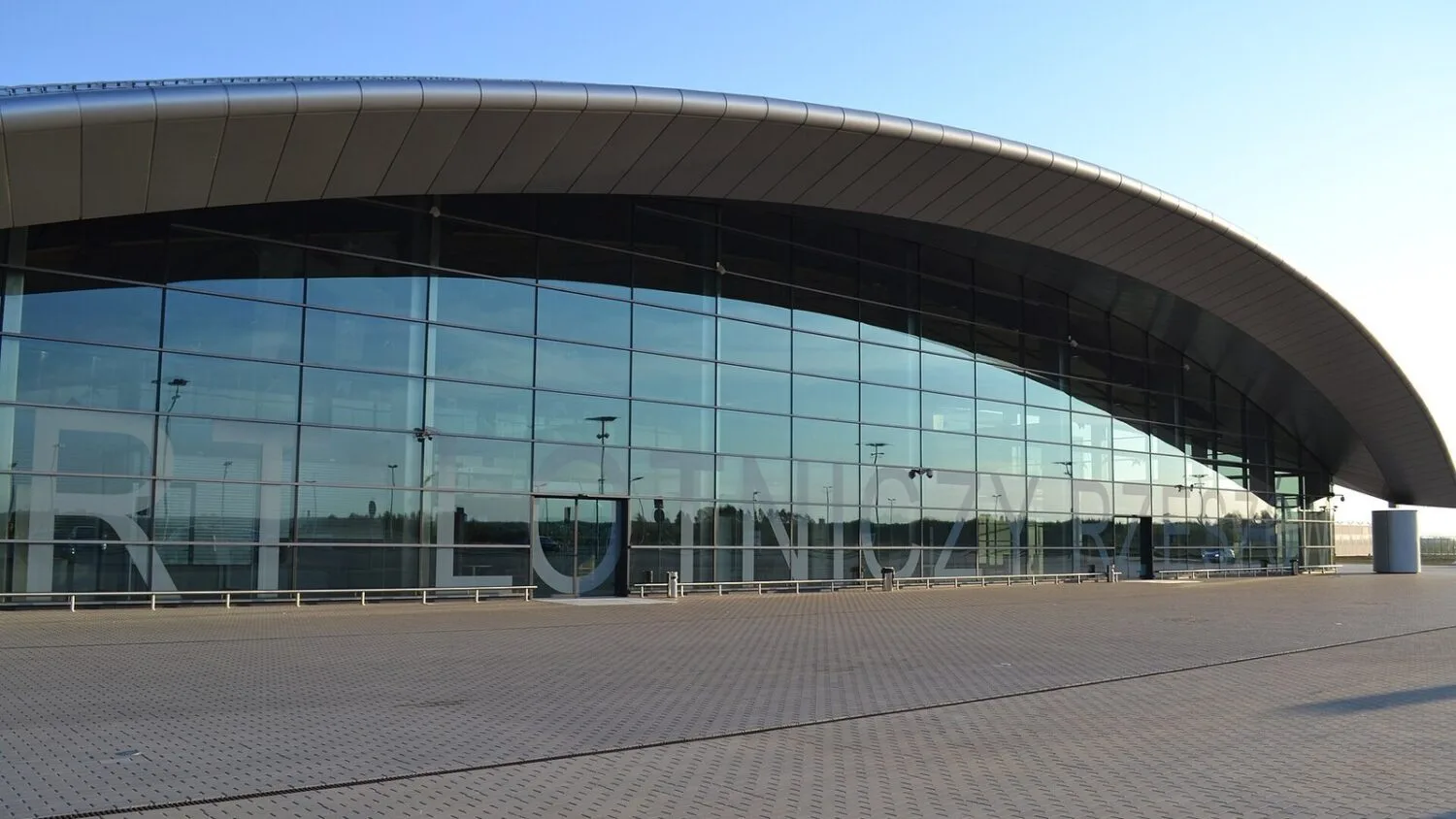
The planned permanent no-fly zone along the eastern border is necessary, but it may pose a challenge for airports in Lublin, Olsztyn and Rzeszów, says pilot Dr. Eng. Tomasz Balcerzak, an aviation law lecturer.
Expert opinion
Speaking to “Rzeczpospolita”, Balcerzak said the introduction of the zone is justified, but it may affect the operations of regional airports. “Lublin and Olsztyn in particular are already loss-making airports,” he said. Rzeszów, he noted, recently had very good results, but mainly thanks to military operations. Airlines may cut some routes, and the expert would not expect compensation for airports or airlines. Detailed rules that would affect specific airports are not yet known, because the government has not published the exact boundaries of the zones.
Two zones: round-the-clock and nighttime
The Ministry of National Defence has prepared two draft regulations, which have been entered into the government work register and have not yet been adopted. The first provides for a permanent SOP1 zone, where bans and restrictions on air traffic would apply around the clock. According to the draft description, from sunset to sunrise the airspace within SOP1 will remain unclassified. The second draft creates the SOP2 zone with restrictions from 10 p.m. to 6 a.m. local time.
The SOP2 draft provides for a “P” (prohibited) type zone along the eastern border, from Lublin Voivodeship to Podkarpackie, extending from the ground up to flight level FL660. The bans are to apply to all airspace users, including drones. Information about the zone is to be published in AIP Poland and in NOTAM messages, and the rules are to take effect the day after announcement. The zone is to remain in force until the security reasons justifying its creation cease to exist.
Why the zone
Deputy Defence Minister Cezary Tomczyk said the zone is meant to help pilots assess situations involving objects violating airspace, and that entering the zone does not automatically mean a decision to shoot down. The drafts are expected to be adopted in the fourth quarter of 2026.
We wrote earlier about the assumptions of the drafts in an article about two permanent no-fly zones along the eastern border. As of publication, it has not been disclosed whether and how the zones will cover approach and departure routes from airports in Lublin, Olsztyn and Rzeszów, or whether exemptions for civil flights are planned.