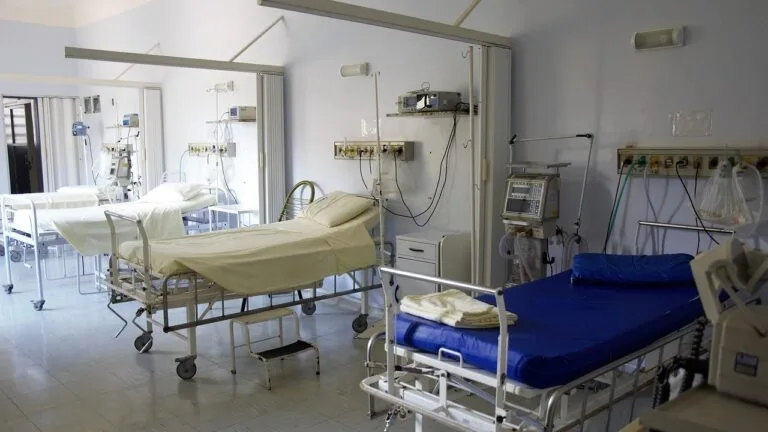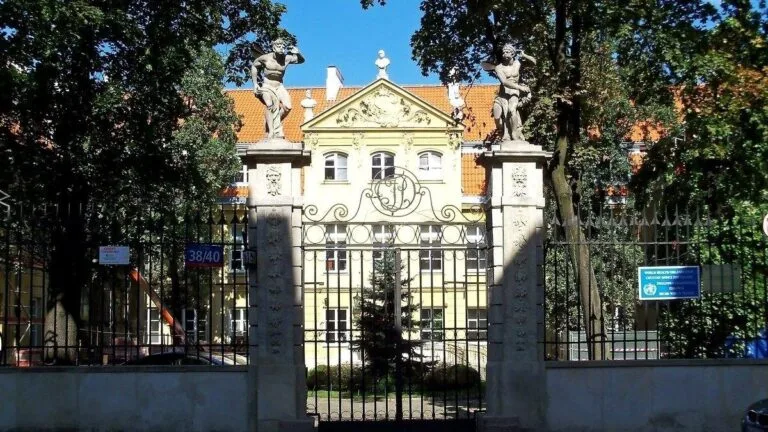

The National Health Fund (NFZ) imposed a penalty of 537,470.94 zloty on the hospital in Świdnica after the death of 30-year-old Patrycja, who waited for hours for transport to a facility with neurosurgery after suffering a stroke. Eighteen months after the incident, one ambulance for such transfers still operates across six districts.
What the NFZ Audit Found
Patrycja from Piława Górna collapsed at home on 27 March 2025, after 9 p.m. She was taken to the emergency department of the “Latawiec” hospital in Świdnica, where a extensive haemorrhagic stroke was diagnosed. The patient urgently needed neurosurgical care, and there is no such department in Świdnica. Plans were made to transfer her to Wałbrzych.
According to Anna Szewczuk-Łebska, spokeswoman for the Lower Silesian branch of the NFZ, the audit revealed irregularities in the organisation and carrying out of the inter-hospital transport. The formal transfer of the patient from the emergency department to the neurology ward and the billing of services were also improper. A penalty of 537,470.94 zloty was imposed on the hospital; the information was provided in February 2026.
Why There Was No Ambulance
At the time, the only ambulance contracted by the NFZ for life-threatening transports, based in Dzierżoniów, was busy. The team the hospital itself is responsible for was also occupied, carrying out another urgent transfer. The patient waited many hours for transport; according to accounts given in the case, an ambulance was ultimately brought in from outside the region, with a delay. After her death, Patrycja became an organ donor.
The hospital disagrees with the NFZ decision. Its management announced an appeal, arguing that treatment cannot be assessed in fragments, and points out that transport in a state of sudden life-threatening danger should be provided by the NFZ. The deceased’s father, Albert Augustyn, said the penalty is only the beginning, and that satisfaction would come from punishing those responsible.
One Ambulance for Six Districts
The hospital stated that in the areas of the Dzierżoniów, Kłodzko, Świdnica, Ząbkowice, Wałbrzych districts and the city of Wałbrzych, such transport was carried out on the day of the incident – and still is – by only one ambulance, belonging to the county hospital in Dzierżoniów. In April 2026, the starost of Świdnica asked the director of the Lower Silesian NFZ to increase the number of medical transport teams. The response was negative: according to the Fund, contracted teams are “merely additional support”.
The Ministry of Health, according to its position reported in December, does not plan changes to the regulations on inter-hospital transport. It reminds that the NFZ may impose financial penalties on healthcare providers who do not fulfil their contracts, and even terminate the contract.