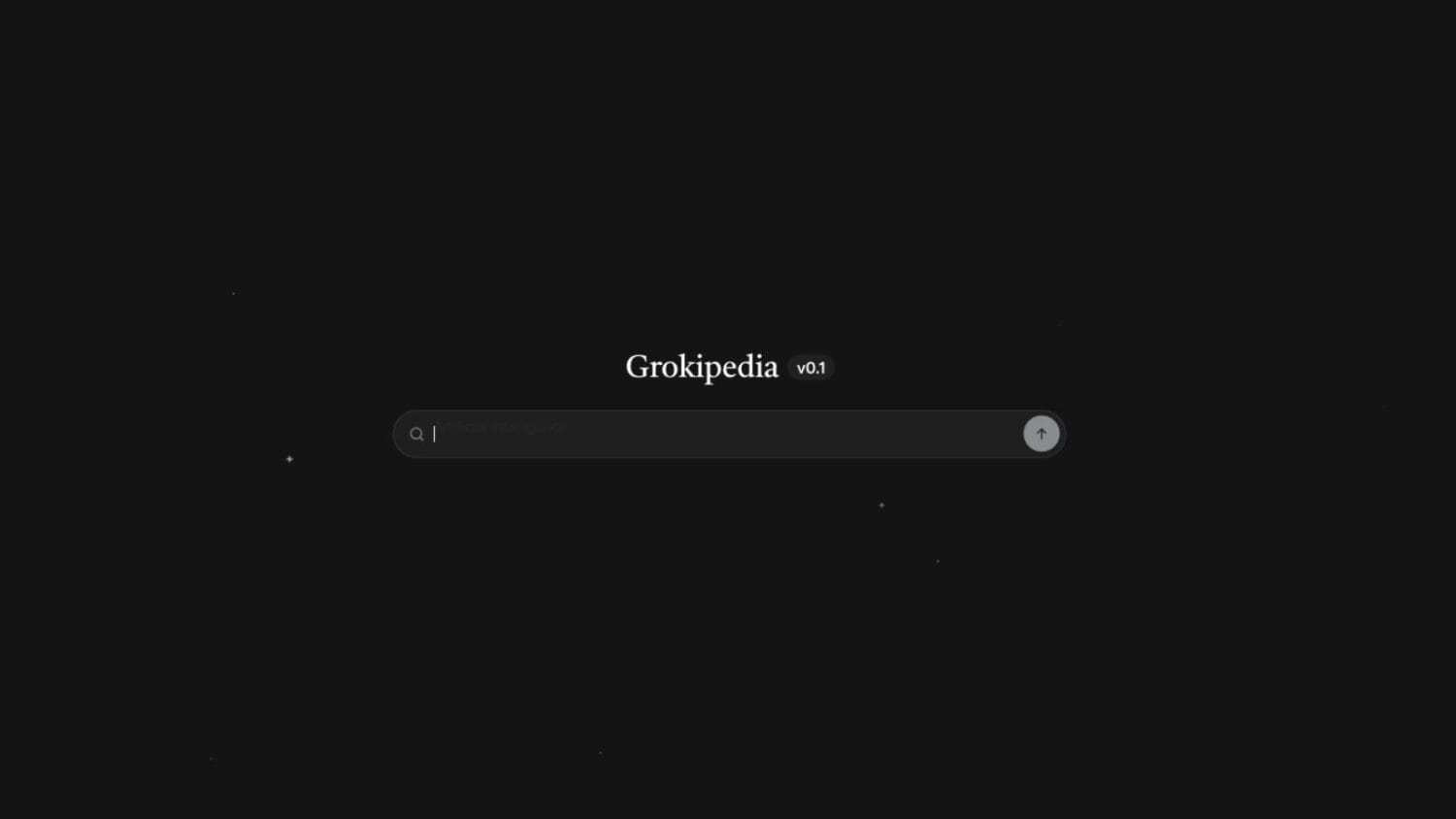
In an era when artificial intelligence changes everything – from daily conversations to global decisions – Elon Musk strikes again. On October 27, 2025, xAI, a company called Muska, launched Grokipedia: an encyclopedia generated by AI, which is to be "free from propaganda" and be an alternative to Wikipedia. Is this the beginning of the end of traditional crowdsourcing encyclopedias? This article will examine what it is GrokipediaHow it works, how it creates controversy and why it can change the way we gain knowledge.

What is Grokipedia and where did it come from?
Grokipedia is a project of xAI, a company founded by Elon Musk, whose goal is to "understand the universe". The name comes from Grok – an advanced AI model created by xAI, inspired by science-fiction characters such as the robot with the "Autostop through the Galaxy" by Douglas Adams. The encyclopedia launched version 0.1 with almost 900 thousand articles, generated automatically by AI on the basis of huge data sets.
According to Musk, Grokipedia is to be a "massive improvement" compared to Wikipedia. In a post on X (formerly Twitter) of September 30, 2025, he wrote: "We are building Grokipedia @xai. This will be a massive improvement towards Wikipedia. To be honest, this is a necessary step towards the xAI goal of seeking truth." Musk accuses Wikipedia of "propaganda" and "prejudice", especially in political themes, claiming that his AI will provide more neutral and "true" information.
In practice Grokipedia acts as a search engine for knowledge: you type a password and AI generates an article based on data from the internet, books and other sources. Unlike Wikipedia, where content is created by volunteers, everything here is automated – which means faster updates, but also potential AI errors.
How does Grokipedia work? Benefits and innovation
Imagine an encyclopedia that not only provides facts but also explains them in a simple, engaging way. Grokipedia uses Groka 4 – the latest version of AI xAI – to create content. Here are the key features:
- Generation on demand: If the article does not exist, AI will create it in a few seconds. It is ideal for current events, such as the US presidential election 2024 or recent discoveries in space.
- Less "woke" content: Musk promises that Grokipedia avoids "political correctness", focusing on facts. For example, in the article on climate change, AI gives data from different sources, without favouring one side.
- Integration with X: As part of the Muska ecosystem, Grokipedia connects to platform X, allowing you to quote posts and discuss in real time. That makes her more dynamic than static Wikipedia.
- Open code: Grokipedia is an open source, which means that developers can develop it. xAI encourages input, which can accelerate its evolution.
Experts praise the potential: in the Business Insider review of November 1, 20251 The year reads that "Grokipedia can teach Wikipedia something about AI", especially in non-political themes where content is fresh and accurate.
Controversy around Grokipedia: Is that Muska's propaganda?
It's not all pink. Critics accuse Grokipedia of promoting far-right views. In the WIRED article on October 27, 20252 The year described how the encyclopedia "pushes far right viewpoints". For example, articles on politics may favor narratives close to Musk, such as skepticism towards AI regulation or views on freedom of speech.
French "Le Monde" of November 8, 20253 The year warns: "With Grokipedia AI will be trained in the world described, perceived and desired by Elon Musk". This raises concerns about monopolising knowledge – Musk controls X, Starlink, Tesla and now the encyclopedia. Is this going back to "top-down" information control, like in old printed encyclopedias?
Furthermore, on the day of launch, the site fell under the pressure of users, which shows technical challenges. AI can also hallucinate – generate false facts, which undermines credibility.
Grokipedia's Future: Will It Replace Wikipedia?
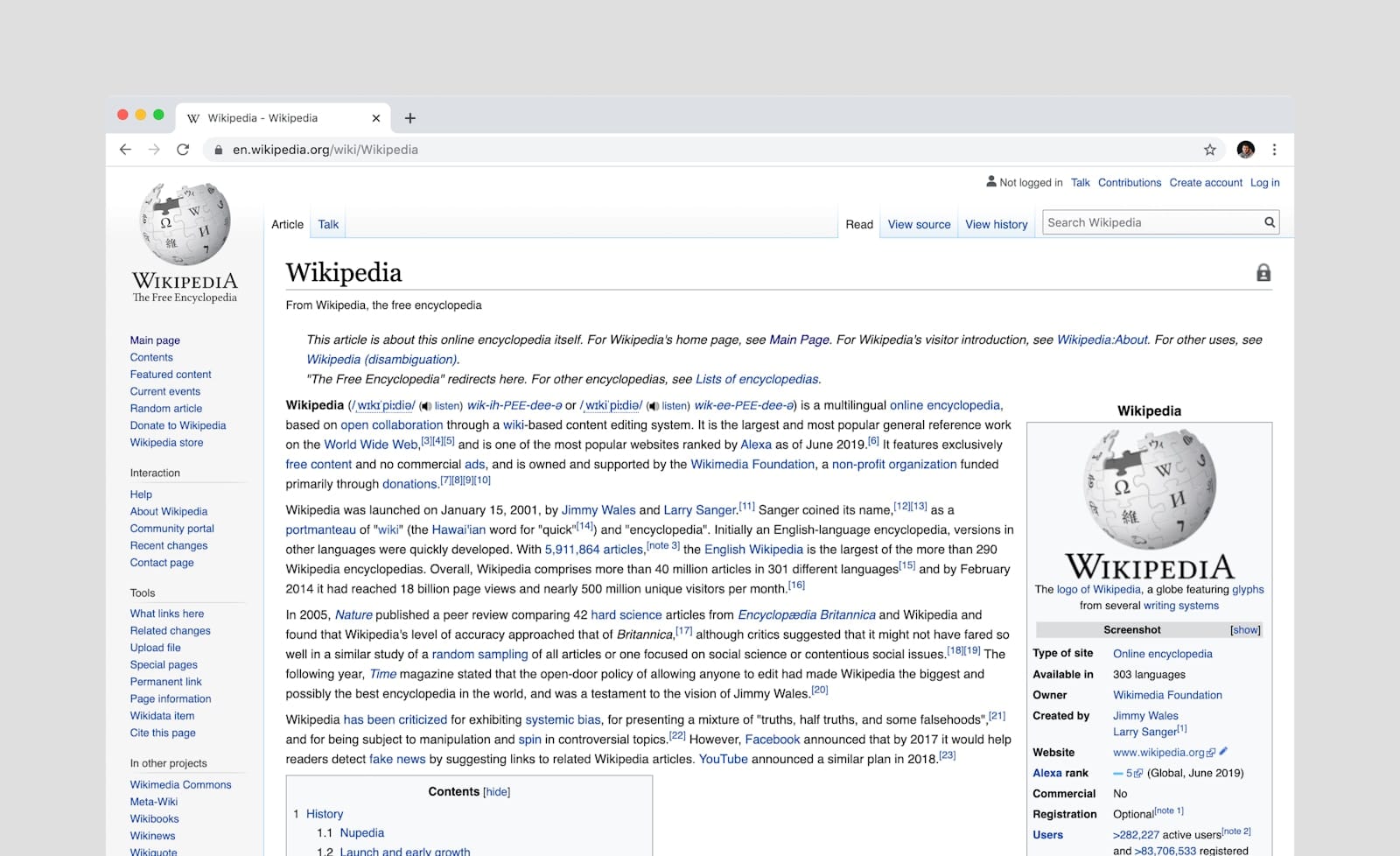
Grokipedia is only the beginning. xAI plans to integrate with other tools such as search engine X or mobile applications. If Musk keeps his promises, he can become the main source of knowledge for millions. But Wikipedia, with 6 million articles in English and a community of 200,000 editors, will not give up easily.
For users in Poland: Grokipedia supports multilingualism, so it can soon be available in Polish. This is an opportunity to take a fresh look at topics such as the history of Europe or technological innovation.
In summary, Grokipedia is a fascinating experiment – a mixture of Musk genius and AI power. Will it prove to be a revolution or another controversial project? Time will tell. If you are looking for an alternative to Wikipedia, look at grokipedia.com And judge for yourself.
As part of the interesting thing:
Wikipedia article on Grokipedia
Grokipedia article on Wikipedia

- https://www.businessinsider.com/grokipedia-elon-musk-wikipedia-ai-which-better-why-review-2025-11 – Accessed 11.11.2025 ↩︎
- https://www.wired.com/story/elon-musk-launches-grokipedia-wikipedia-competition/ – Accessed 11.11.2025 ↩︎
- https://www.lemonde.fr/en/opinion/article/2025/11/08/with-grokipedia-ai-will-be-trained-using-the-world-as-elon-musk-describes-perceives-and-desires-it_6747249_23.html – Accessed 11.11.2025 ↩︎