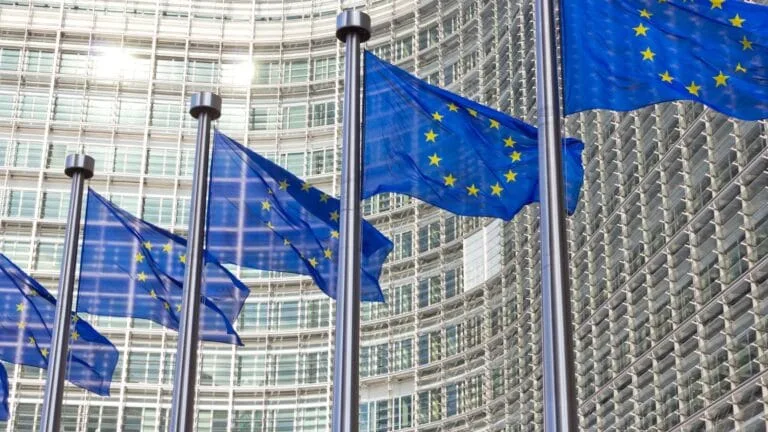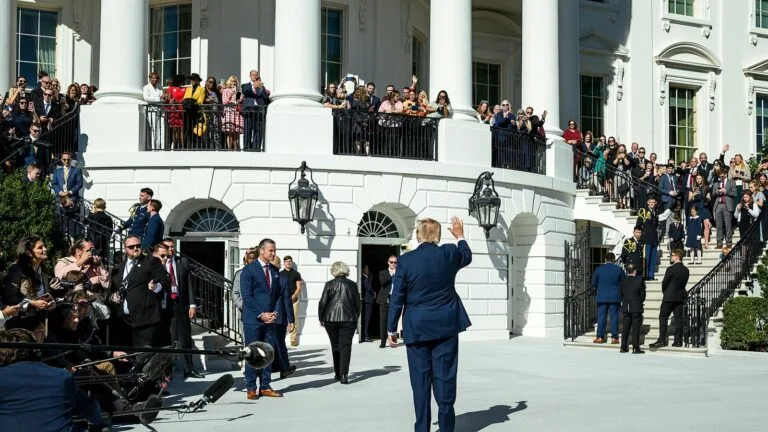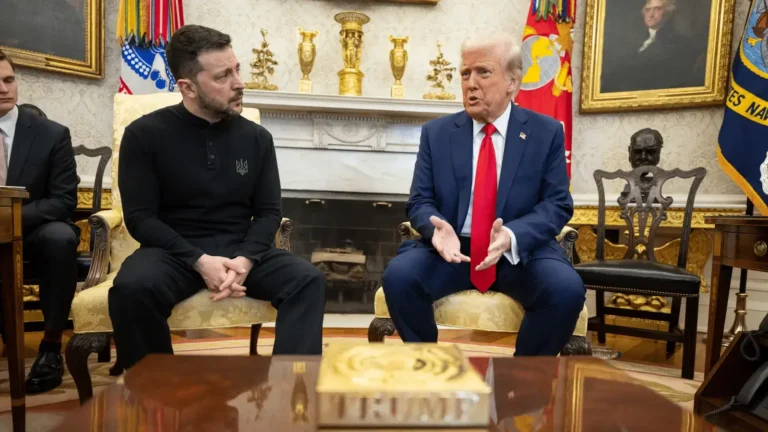

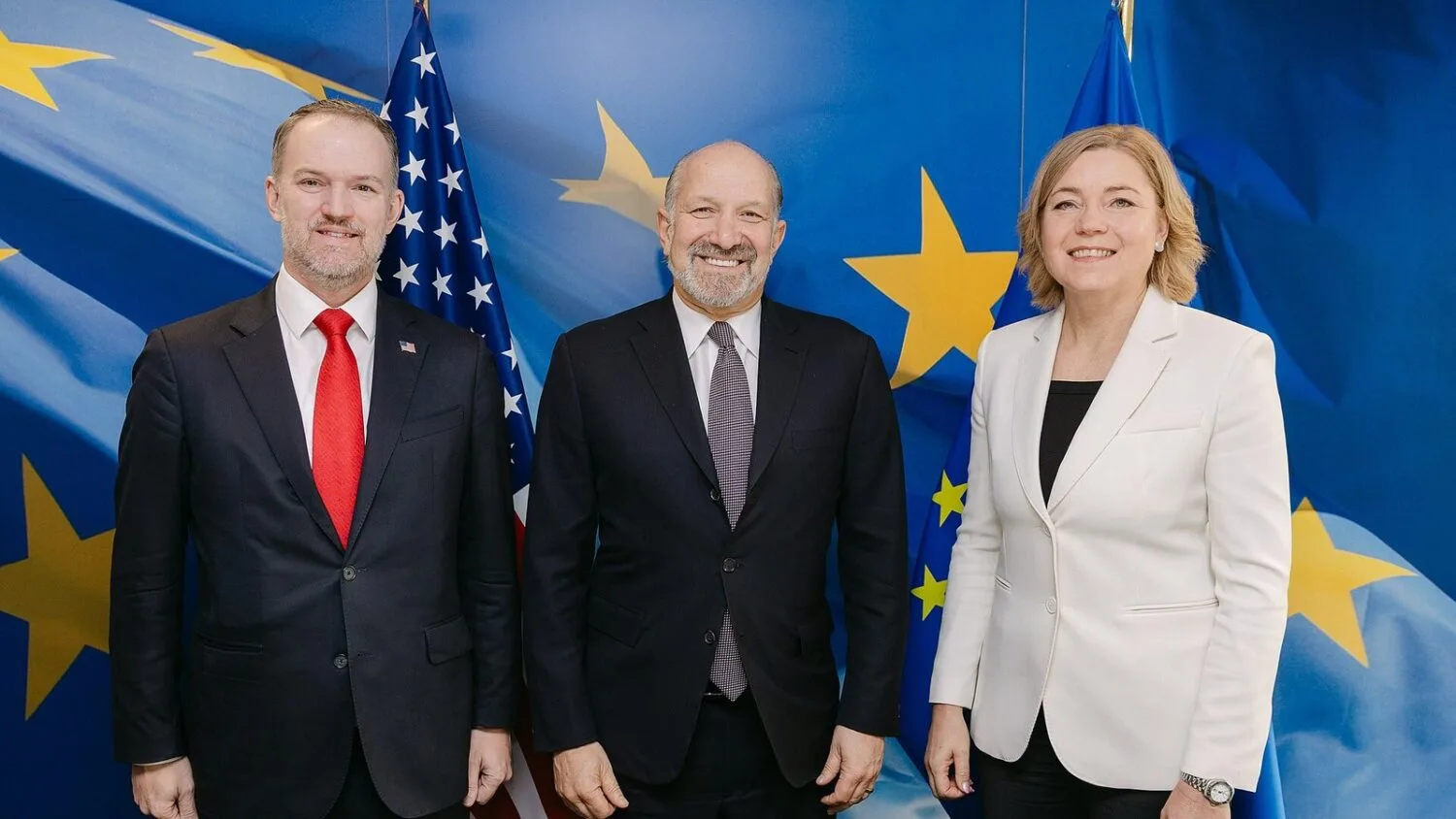
Donald Trump’s administration may propose tariff increases on the European Union, China, Mexico, Japan and 12 other trading partners on Tuesday, November 24, in the evening. As of 7:00 p.m., no official announcement or rates had been published.
What Basis the US Has for New Tariffs
According to Politico and Bloomberg, the announcement is to stem from an investigation by the Office of the United States Trade Representative (USTR) into excess production capacity, conducted under Section 301 of the Trade Act of 1974. The provision allows the president to impose tariffs on his own in response to unfair trade practices. The USTR launched the probe in March, and it covers 16 economies, including China, the EU, Japan, India, South Korea, Vietnam and Mexico.
This is a step toward rebuilding global tariffs that the US Supreme Court struck down in February. In response, the administration introduced a temporary 10% tariff for 150 days under Section 122. USTR Chief Jamieson Greer is seeking to replace these stopgap rates with measures under Section 301.
What Rates Are Being Considered
Sources cited by Politico say the proposed tariffs are meant to match ceilings agreed with individual countries over the past year in exchange for trade concessions and investment in the US. For the EU, the rate would remain below 15% – the limit Trump agreed with Ursula von der Leyen in Scotland in 2025. The combined rate for China would not exceed 20%. According to reports, steel, aluminum and automobiles are to be excluded. None of these figures has been confirmed by the White House.
As of publication, neither a USTR statement, a proclamation, nor a Federal Register notice listing countries, products, rates and an effective date had appeared. No post on the subject had appeared on the White House’s official account on X on Tuesday.
Background: Tariffs on Europe in 2026
This is not the first US tariff dispute with Europe this year. In January, Trump announced tariffs on seven countries supporting Denmark and Greenland. Separately, the US Court of International Trade is reviewing tariffs imposed in connection with forced labor.
For Poland, the key question will be whether the final rate for the EU fits within the agreed 15% limit and which goods are excluded, as these will determine the impact on Polish exports.