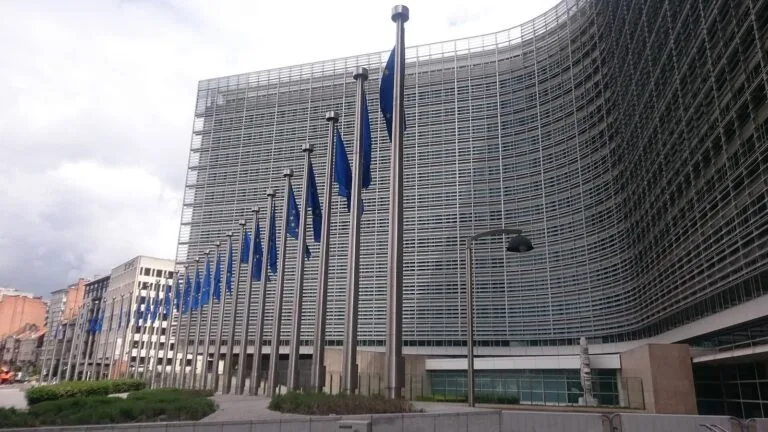
On Monday, 23 November, the deadline expires for EU member states to implement Directive 2024/1260 on asset recovery and confiscation. The rules allow property to be confiscated even without a criminal conviction, but only in specific situations.
What the directive is
Directive (EU) 2024/1260 of the European Parliament and of the Council was adopted on 24 April 2024. It was published in the Official Journal of the EU on 2 May 2024 and entered into force on 22 May 2024. It sets minimum rules for detecting, identifying, freezing, confiscating and managing property in criminal proceedings. The European Parliament adopted its first-reading position on 13 March 2024, by 598 votes to 19, with 7 abstentions.
Member states have until 23 November 2026 to transpose the directive – a date given in Article 33 of the directive and on the EUR-Lex service.
Confiscation without a conviction – in which cases
The directive requires states to enable confiscation without a conviction in situations where a conviction is not possible, for example if the suspect has fled, is ill or has died. These are minimum rules – they do not mean that the property of everyone who has not been charged will be automatically confiscated. The act also provides for extended confiscation and the confiscation of property transferred to third parties, as well as protection of the rights of persons affected by the measures and the right of victims to compensation.
The directive also covers crypto-assets as a type of property subject to securing and confiscation, which is relevant given the growing interest of the cryptocurrency market.
Where Poland stands
According to available information, at the end of October Poland had not notified the European Commission of any provisions implementing the directive. As of publication, we have not found a draft implementing law or a position of the Ministry of Justice on the matter.
Customers of the collapsed Zondacrypto exchange, who have proposed it to the Minister of Justice, are lobbying for a new procedure for returning property to victims to be included in the implementing law.
After the deadline passes, the European Commission may launch infringement proceedings against states that have not completed transposition.