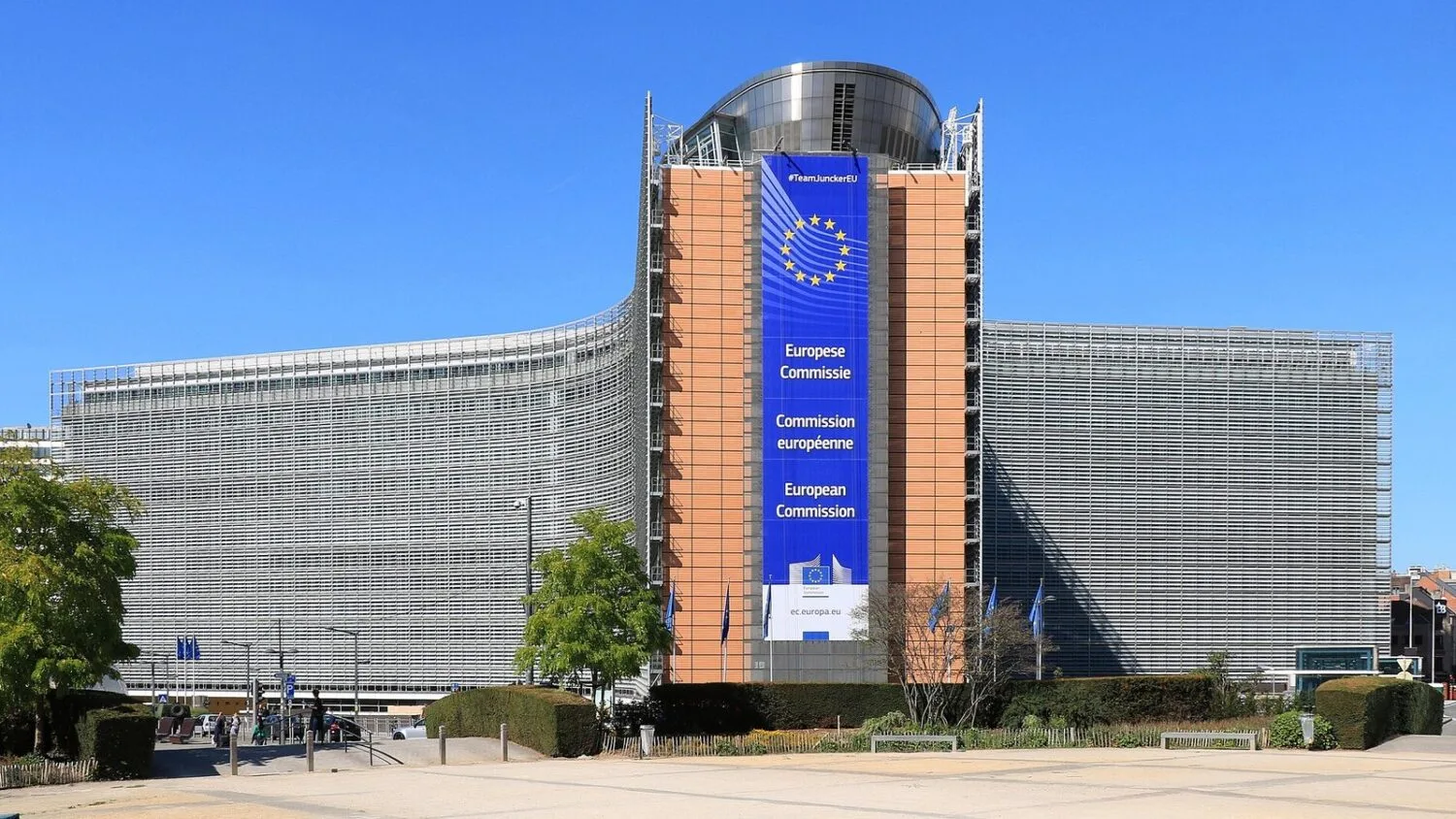
The European Commission decided on Thursday, 19 November, to refer Poland to the Court of Justice of the European Union. The reason: failure to align national rules with the Seveso III directive.
What the Commission decided
The European Commission said in a press release that it had brought a case against Poland before the CJEU, under file reference INFR(2021)2067. The charge concerns failure to align national rules with Directive 2012/18/EU, known as Seveso III.
The directive concerns the control of major accident hazards involving dangerous substances. It covers industrial sites where such substances are produced, processed or stored.
How long the proceedings have taken
The infringement procedure was opened in 2021. In its December 2024 package of decisions, the Commission sent reasoned opinions to Poland, Germany and Estonia. It accused them of not fully transposing the provisions of the Seveso III directive into national law. Reasoned opinions are the stage before a case is referred to the Court: the state then has two months to respond and remedy the shortcomings.
Referring the case to the CJEU means that, in the Commission’s view, Poland has not addressed its concerns. The Court may find that EU law has been infringed. The press release, in the version available, does not specify which provisions were considered deficient, or whether the Commission is seeking financial penalties.
Not only Poland
On the same day, the Commission also announced that it had referred cases to the CJEU against Greece, for failing to implement individual identification of aircraft in civil aviation, and against Austria, for incorrectly applying the European arrest warrant.