A false report of a triple murder in Kraków allegedly committed by a Ukrainian citizen is circulating online. We firmly deny it – no such incident took place! Don’t fall for disinformation.
False Information – Police Position
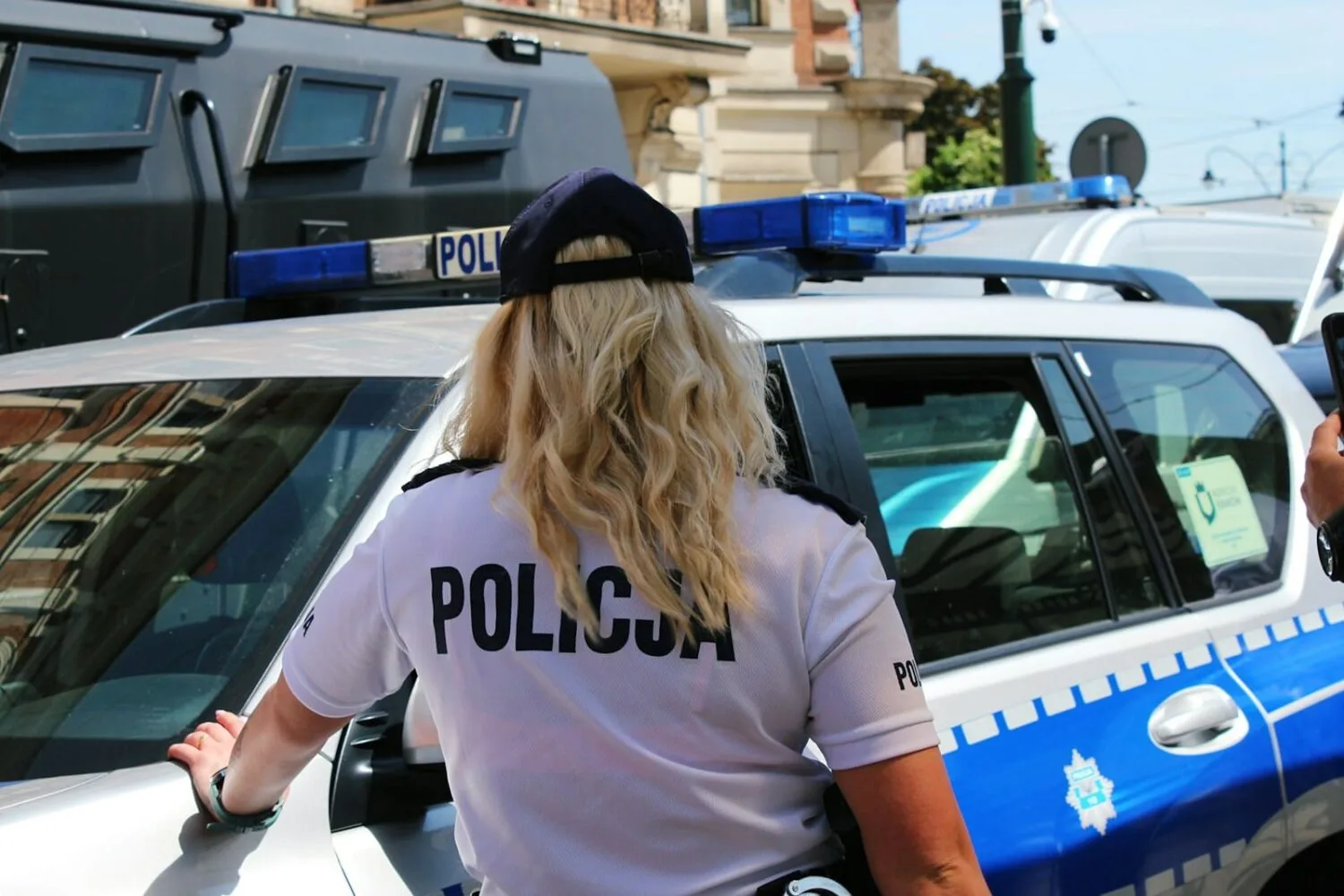
The Lesser Poland Police (Małopolska Policja) officially denied reports that appeared on social media accounts and several Facebook groups. According to these sensational posts, a triple murder had taken place in Kraków, and the perpetrator was allegedly a Ukrainian citizen. The police stress: “We firmly deny this information! No such incident has occurred in Kraków or in the Lesser Poland region.”
WARNING! Verify the facts: the information about a murder in Kraków is FAKE NEWS! A report of an alleged triple murder in Kraków by a person of Ukrainian nationality is circulating online. We firmly deny this information! No such incident has occurred in Kraków or in the Lesser Poland region. Sensational posts spread quickly online, and we urge you: DON’T FALL FOR DISINFORMATION! 1. Verify the source. Check whether the information comes from the official Police profile or from trusted media. 2. Check other sources. Are other reliable media reporting it? Or only anonymous social media accounts? 3. Don’t share. By sharing false information, you contribute to spreading disinformation! – Lesser Poland Police on X
A Rumour Spreading Online
The fake news appeared, among other places, on the coolfonpl account on X (formerly Twitter), where dramatic descriptions and photos quickly spread among users. Similar posts often use outdated photographs or fabricated graphics designed to provoke emotions. The false reports generated hundreds of comments and shares in a short time.
Rules for Verifying Information
Check the source
Before you believe dramatic reports, check whether the information comes from the official Police profile or from trusted, recognized media.
Check other sources
Ask yourself: are other reliable news portals also describing this case? If only anonymous accounts or social media groups are spreading sensational news, it’s worth pausing.
Don’t share unverified reports
By sharing fake news, you may unknowingly help spread disinformation. Sensational rumours harm not only individuals but also society as a whole.
An Example of Disinformation – How It Works
Such false stories are often used to stir social tensions – exploiting controversy and fear. Unreliable reports about drones or alleged assaults were previously spread in a similar way. The Ministry of Interior and Administration and the Ministry of Digital Affairs warn that Russian services are trying to create false narratives and provocations of this kind.
Why Be Vigilant? – Original Editorial Commentary
Disinformation is one of the greatest challenges of modern media. In the age of social media, false reports can spread faster than the truth. If you have doubts, imagine an everyday situation – would you pass on a rumour about your neighbour before talking to them in person? The same approach should be taken with information from the Internet.
How to Recognise Fake News?
| Criterion | Control question | Example of correct verification |
|---|---|---|
| Source | Does the information come from the Police or from the media? | Yes – the official Police profile, RMF, Gazeta |
| Consistency with others | Are other major media reporting it? | Yes – check several news portals |
| Anonymity of the sender | Is it being sent by an anonymous account? | No – a verified profile with an identified administrator |
| Emotion in the message | Is the post highly emotional? | No – official communications are neutral |
Summary – Don’t Be Fooled!
Remember: the murder in Kraków is fake news – official sources confirm that no such incident occurred. Follow the rules of information verification before sharing further sensational news. This is the only way to protect yourself and others from disinformation.