
Police officers from the Voivodeship Police Headquarters in Olsztyn broke up a group that used the “bank employee” method to defraud 34 people from across Poland of over PLN 2 million. The District Prosecutor’s Office in Suwałki has sent an indictment against six people to court.
From a report in Ełk to breaking up the group
The case began in April 2025 at the Poviat Police Headquarters in Ełk. A woman who had been called by the fraudsters reported to the station. They convinced her that someone was trying to take out loans in her name and that she had to transfer her savings to a so-called “technical account”. Following their instructions, she handed over PLN 135,000.
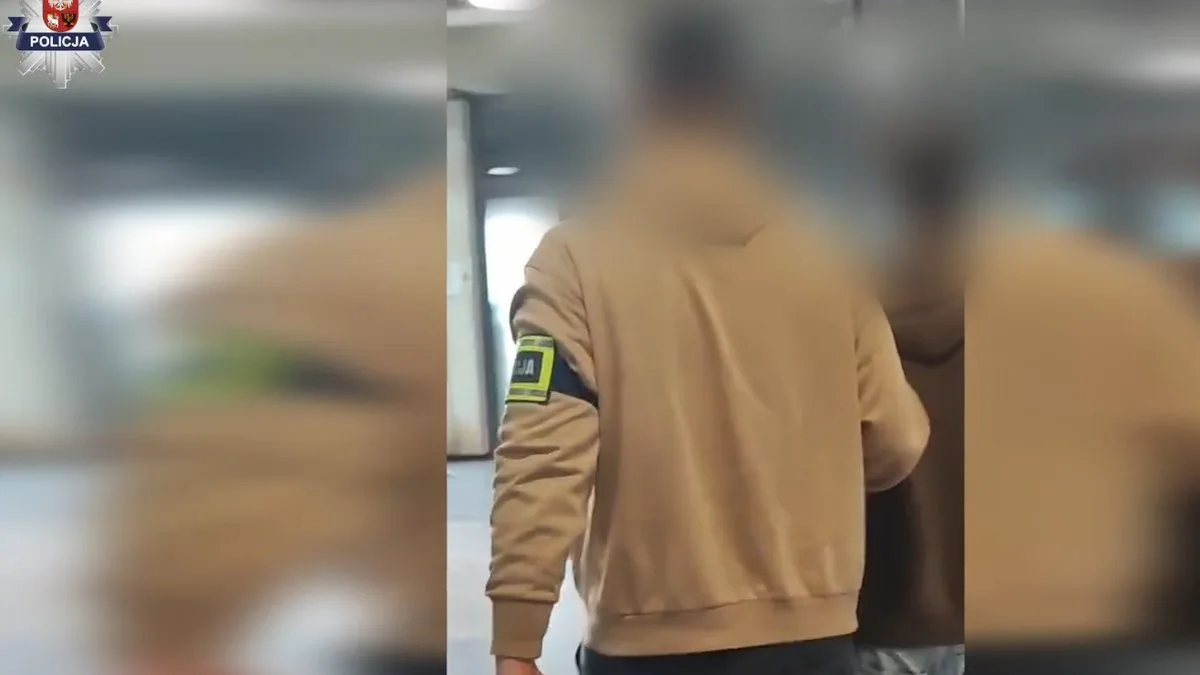
The case was taken up by officers from the Department for Combating Economic Crime of the Voivodeship Police Headquarters in Olsztyn, and the investigation was supervised by the District Prosecutor’s Office in Suwałki. In June 2025, suspects were detained in Warsaw, Gdańsk and Wrocław. During searches, electronic equipment used in the crimes was secured.
Accounts for hire and cryptocurrency
According to police, the group included, among others, recruiters of people in whose names bank accounts were opened. These people were recruited through fake job offers published on social media. Defrauded money was transferred to these accounts and then sent on to cryptocurrency wallets.
The investigation showed that the perpetrators operated from March to June 2025. They defrauded 34 people from various parts of the country, and total losses exceeded PLN 2 million.
Charges and penalties
A 43-year-old man, a 21-year-old man and a 22-year-old man were charged with participation in an organized criminal group, money laundering and fraud. The court temporarily detained all three. The remaining individuals will answer for aiding in fraud. The indictment covers six people in total.
Under the Criminal Code, fraud carries a penalty of up to 8 years in prison. For people who made crime a steady source of income, the penalty may reach 15 years.
We wrote about another group that posed as police officers in our article about a broken-up group posing as police officers.