
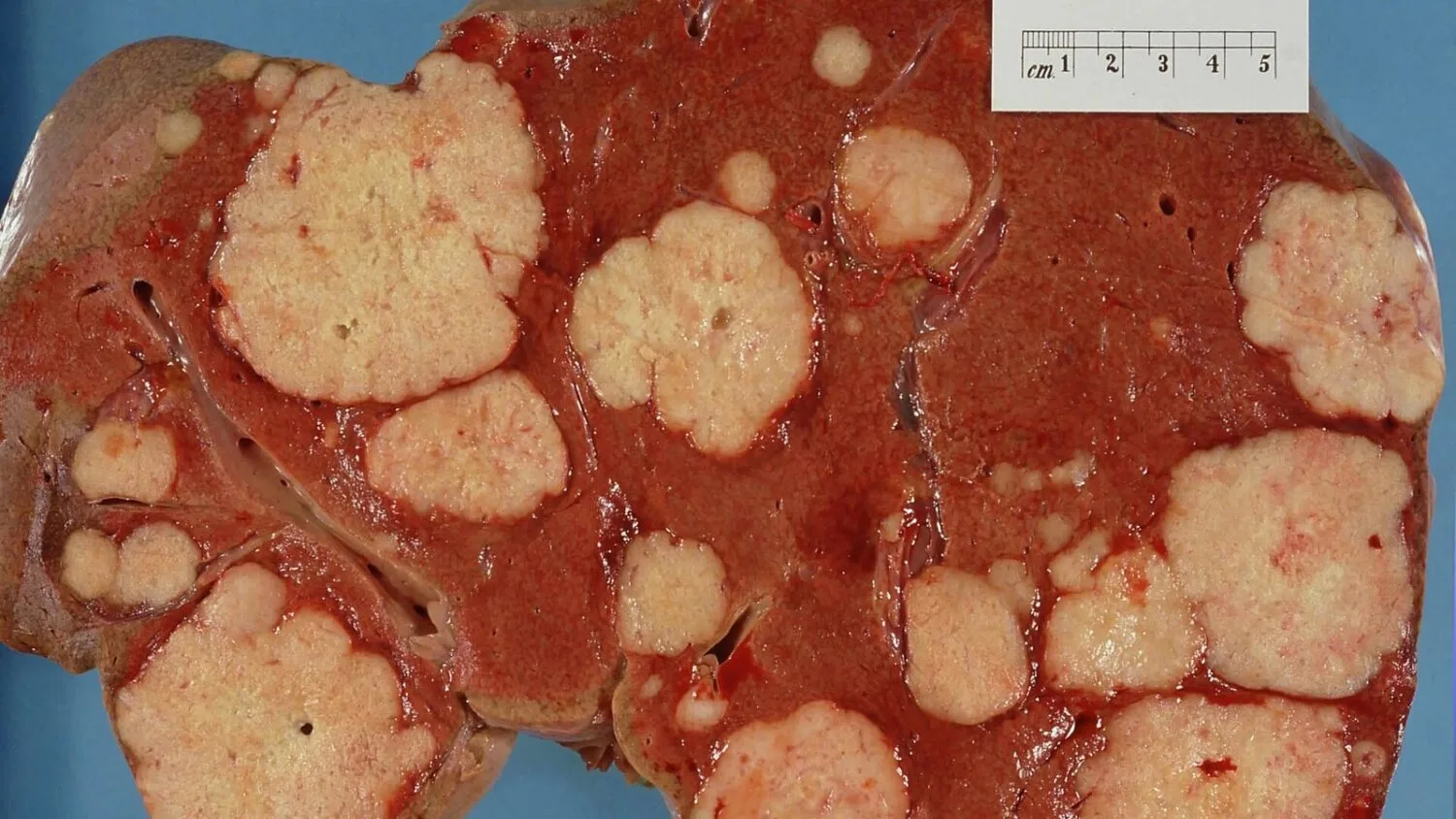
The oral drug daraxonrasib, given with chemotherapy, made the tumour no longer visible on imaging scans in about one in 12 patients with advanced pancreatic cancer. This is an early study involving 61 people, and doctors stress that it is not a cure for cancer.
What the study showed
The results come from a phase 1/2 trial in which 61 people with recently diagnosed metastatic pancreatic cancer received daraxonrasib combined with chemotherapy. The data were presented at an oncology conference in Barcelona.
- tumours shrank or disappeared in 60.7% of patients,
- a complete response, meaning no visible disease on CT scans, was achieved in 8.2% – hence “one in 12”,
- tumour growth was halted in 90.2% of participants,
- 76.6% of patients were alive after one year,
- the median time without disease progression was 12.8 months.
Dr Wungki Park of Memorial Sloan Kettering Cancer Center, who presented the results, spoke of an “almost doubling” of the time disease was controlled, which could eventually translate into longer survival. Michelle Mitchell, head of Cancer Research UK, called the data the biggest step forward in decades in treating pancreatic cancer.
How the drug works
Daraxonrasib is a RAS inhibitor that blocks mutated KRAS proteins. These mutations are found in more than 9 in 10 pancreatic tumours and send cells a constant signal to grow. The drug is being developed by Revolution Medicines.
Earlier data and caution
Earlier, in April, the company announced results from the phase III RASolute 302 trial in patients who had already been treated with chemotherapy. Daraxonrasib achieved a median survival of 13.2 months versus 6.7 months with chemotherapy; the results were presented at an ASCO plenary session. The trial included 500 people.
The new data come from a small trial without a control group, so researchers caution that it is too early to speak of a cure. Larger phase III trials, including RASolute 303, which tests the drug as a first-line therapy, are expected to settle the question.
Pancreatic cancer is one of the most difficult cancers to treat and is often detected late. We wrote about symptoms to watch for in our article on the symptoms of pancreatic cancer.