French Ministries of Health and Agriculture announced on Thursday, October 22, the world’s first documented human infection with the Shamonda virus. The patient died at the beginning of October, and authorities see no risk to the general population.
What is known about the patient
The infected patient had a severe immune deficiency and was being treated for a serious illness at the Hospices Civils de Lyon. As franceinfo reports, citing the agriculture ministry’s statement, the patient died at the beginning of October. According to the statement, cited by CNews, the deceased developed brain complications that were „most likely” linked to the infection.
Authorities stress that this is an „exceptional case”. Despite several decades of the virus circulating in Africa and Asia, no human infection had been documented before. Until now, the virus was considered not to transmit to humans. The ministries note that clinical, biological and epidemiological investigations are ongoing.
How the infection may have happened
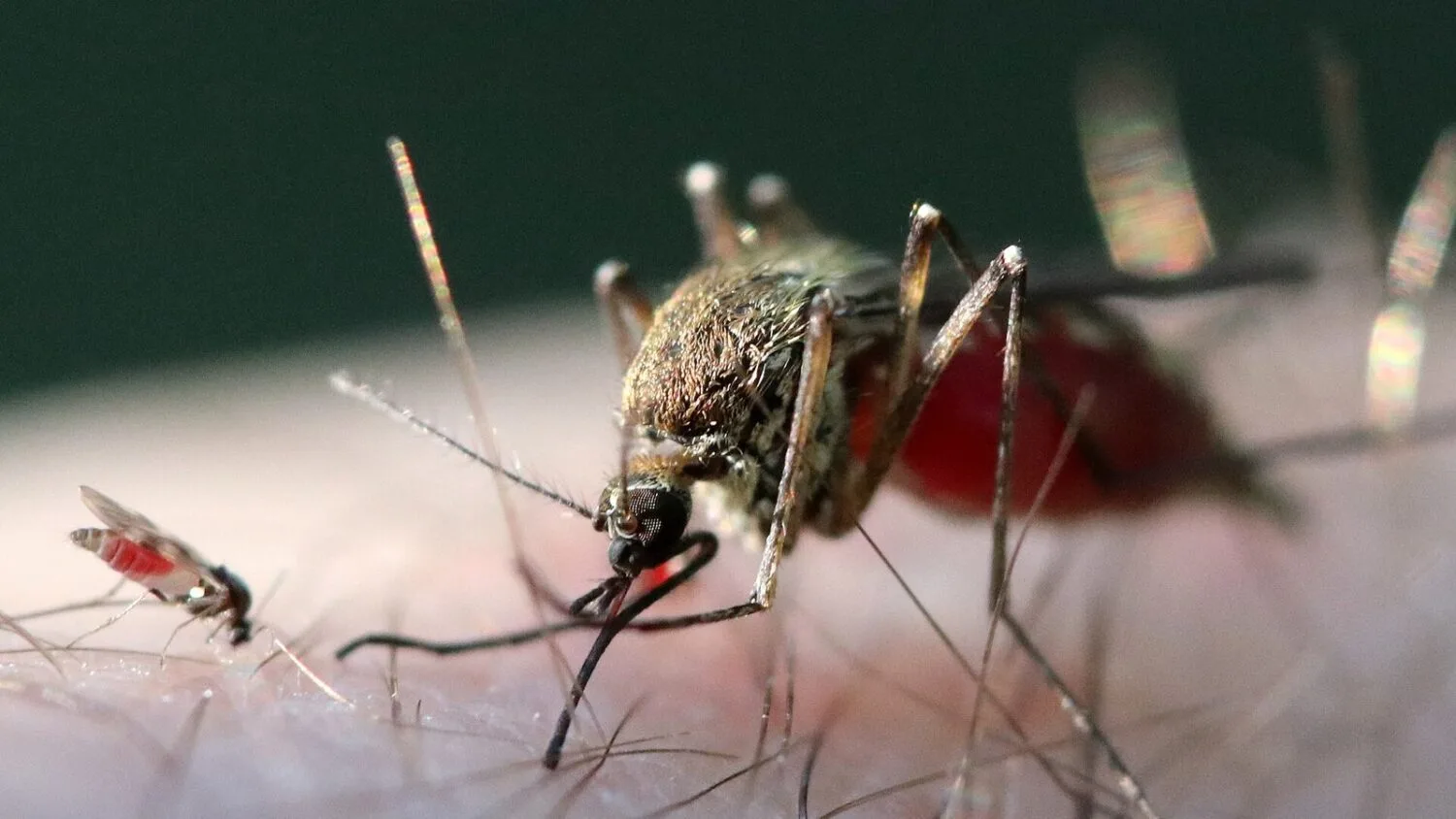
The virus belongs to the Orthobunyavirus family. It is transmitted by tiny flies of the Culicoides genus, known as biting midges. French authorities provisionally assume that the patient was bitten by such a midge in eastern France. According to the statement, the virus was already known to be circulating among animals in that area.
As Euronews reports, citing the ECDC, the midge species involved in this case is not yet known.
The virus in animals
The Shamonda virus has been detected in cattle herds in Africa since the 1960s. This summer, it was found for the first time on cattle farms in Europe, including in France. In France, isolated infections have also been recorded in small ruminants and horses (Euronews).
French authorities notified the World Health Organization (WHO) and the European Centre for Disease Prevention and Control (ECDC) of the case. According to the ministries, based on current knowledge, no risk to the general population has been identified.
What it means for readers in Poland
Neither French authorities nor the ECDC have provided information about a risk to residents of other countries. The described case involved a person with a severe immune deficiency, and the route of infection was most likely an insect bite, not contact with a sick person. As of publication, no detection of the virus in Poland has been reported. Symptoms in humans remain unknown, as only one case has been described. We have covered similar infectious disease warnings in our article on the first Ebola case in Nigeria, although that is a completely different pathogen and a different situation.