On November 12, the Ministry of Digital Affairs published “The Black Book of Young Victims of Digital Platforms in Poland”. According to the data collected, 39% of teenagers experienced cyberbullying, and 45.5% of people aged 14–18 experienced cyber sexual aggression.
The publication summarizes data from Polish and international institutions, including NASK, the Give Children Strength Foundation, Dyżurnet.pl and the WHO. The ministry assesses that platform self-regulation has not worked. The full report (PDF) is available on the Ministry of Digital Affairs website.
Cyberbullying and Cyber Sexual Aggression
According to the report, among nearly one in four victims of cyberbullying (24%), the harassment recurs at least once a month. As many as 47% of affected students told no one about it and took no action at all.
Among teenagers aged 14–18, 45.5% fell victim to cyber sexual aggression in the past year. One in ten students (10.6%) was threatened with the disclosure of intimate materials. More than 70% of those affected concealed the most distressing incident from adults, and 76.5% did not know the identity of the perpetrator.
Children Below the Age Limit and Artificial Intelligence
Platform terms require users to be at least 13 years old, yet about 760 thousand children aged 7–12 actively use TikTok alone in Poland, and nearly 290 thousand use Instagram. The average age of first contact with pornography online is 11 years and 3 months.
The ministry also points to a new risk: an ordinary school photo may be used by image generators, such as Grok, to create fake material and blackmail children. 70% of teenagers use AI, and 63% do not know the term deepfake.
Platforms Reject Reports
In the first half of 2026, 76% of reports in NASK’s monitoring were rejected or left without intervention. Platform X rejected nearly 79% of reports.
Appeal to the President and Veto
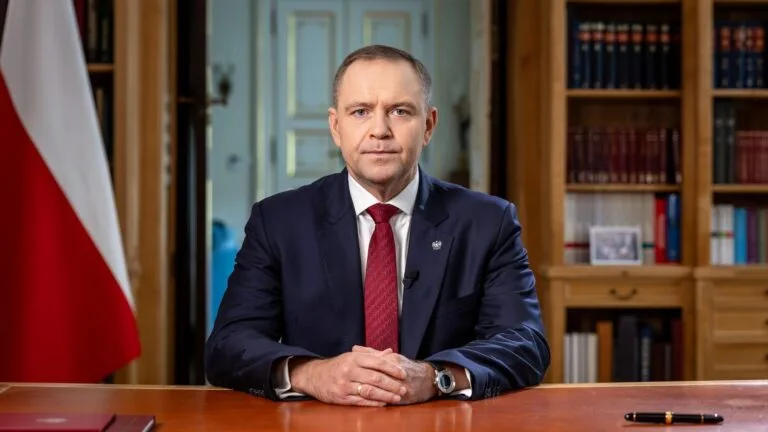
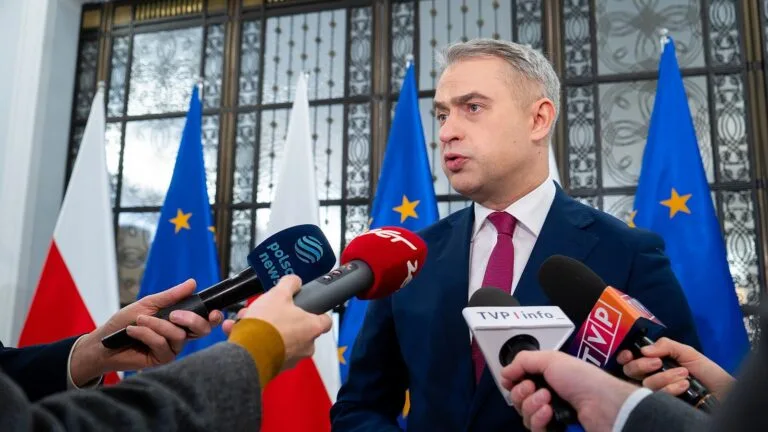
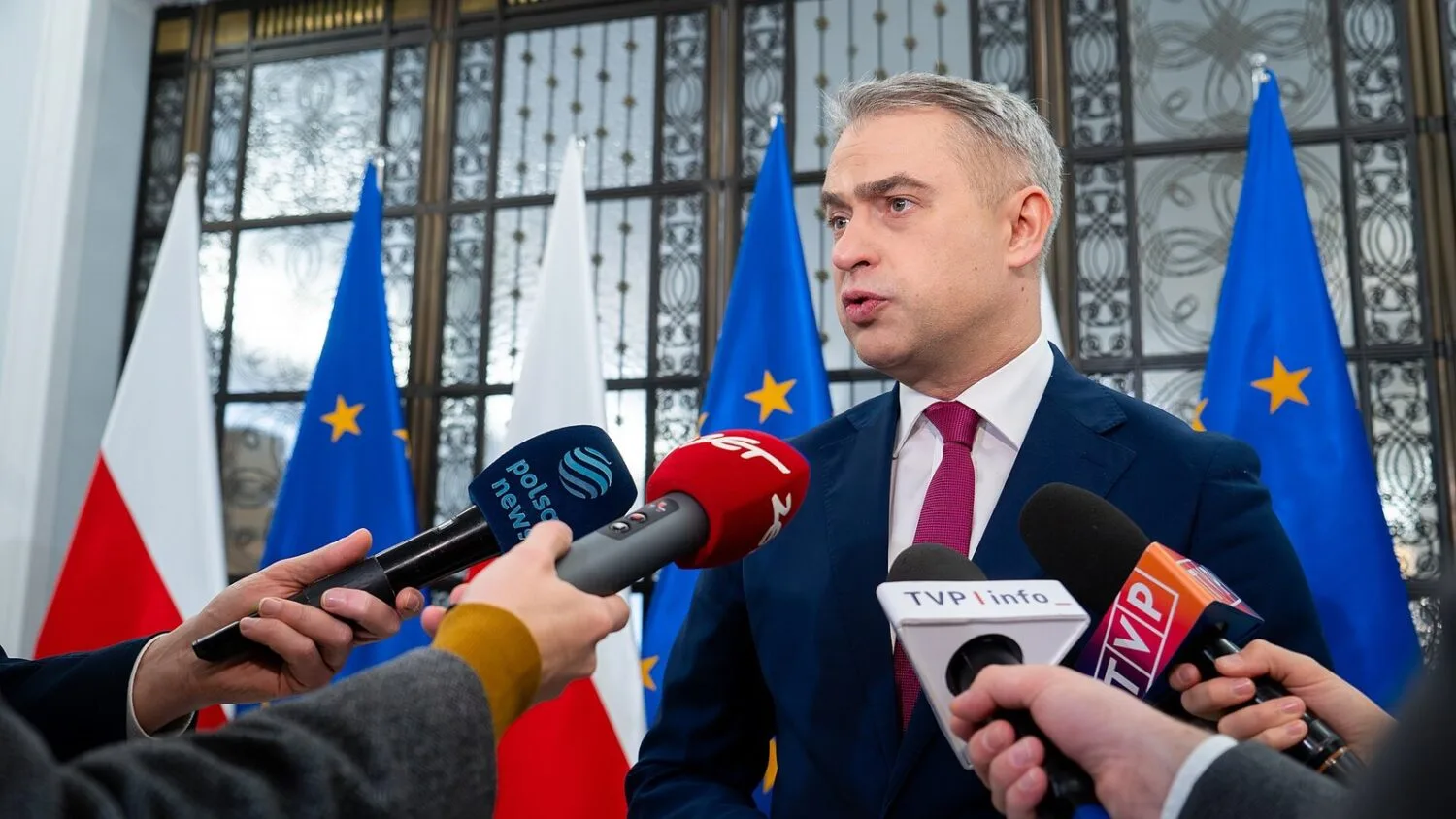
The report accompanied an appeal to President Karol Nawrocki to sign the act implementing the EU Digital Services Act (DSA). A letter from Deputy Prime Minister and Minister of Digital Affairs Krzysztof Gawkowski opens the report. Gawkowski wrote in it: “Children cannot wait for adults to end their political disputes”.
Deputy Minister Dariusz Standerski argued that the law does not create discretionary mechanisms or censorship. According to him, orders to remove content correspond to prohibited acts under the Penal Code. In the most serious cases, concerning the life, health and intimacy of children, they would have immediate enforceability. In other cases, a court would decide on blocking.
On Friday, November 13, the Chancellery of the President announced that the president refused to sign the act amending the act on providing services by electronic means (Sejm print 2693).
Presidential adviser Barbara Socha told Radio Trójka that under the banner of child protection, mechanisms are being introduced that enable blocking content inconvenient for the government, which in her view bear the hallmarks of preventive censorship. In response, Gawkowski wrote on X that the president “has once again vetoed the digital law”, and stated that he takes personal responsibility for it.