
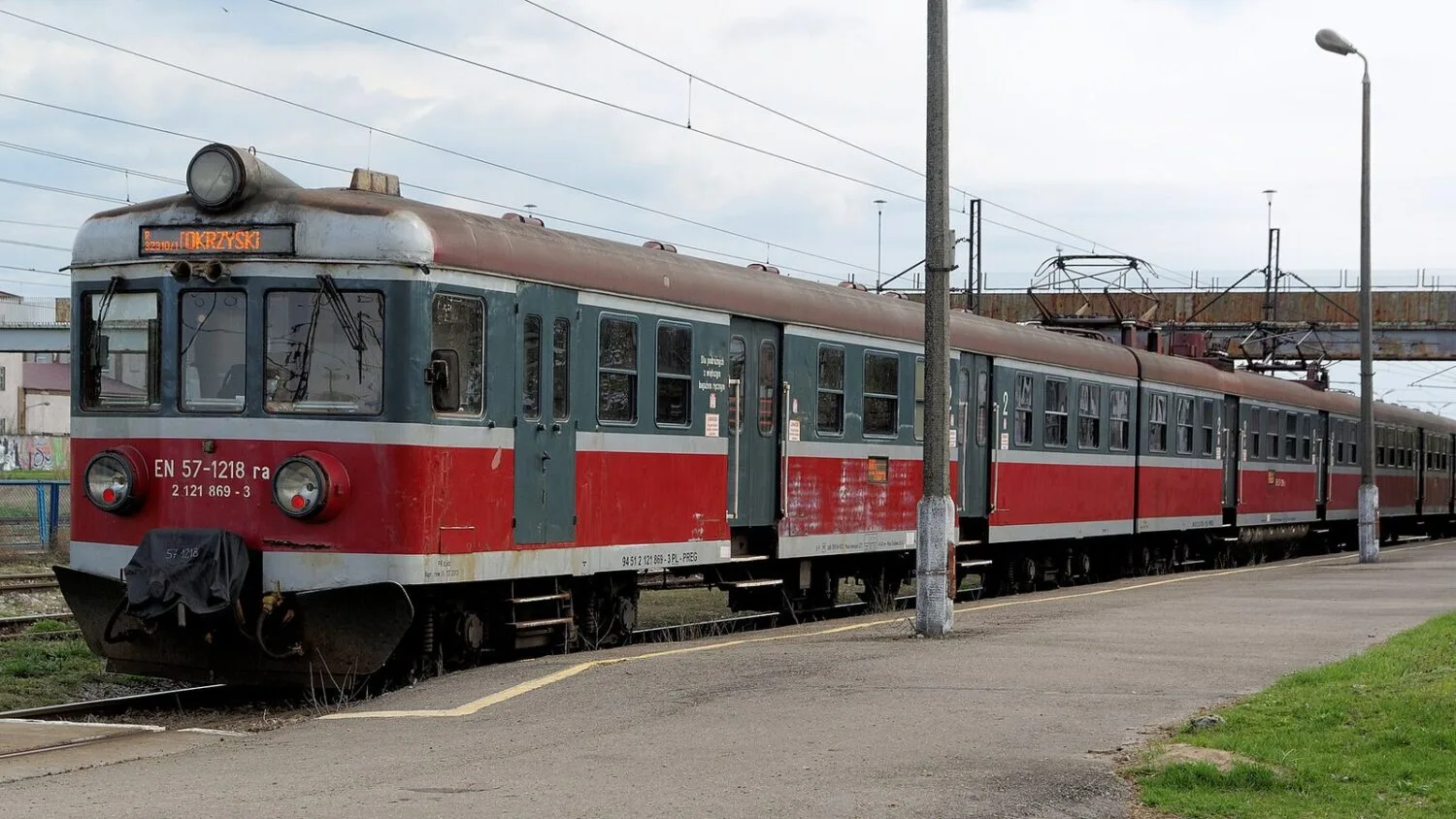
Polregio CEO Andrzej Pawłowski warns that if nothing changes, the company will have to withdraw more than 100 of its oldest vehicles from service within five years. “There will be nothing to carry passengers with,” he says.
What the CEO said
In an interview with “Rzeczpospolita,” Andrzej Pawłowski argues that without decisions on rolling stock purchases, the company’s oldest trains will simply reach the end of their service life. The result would be the shutdown of connections in many parts of the country. The CEO calls the current moment “the last whistle” for preparing new rolling stock.
The average age of Polregio’s vehicles exceeds 40 years. The company runs more than 2,000 trains daily, ordered by regional self-governments.
Rolling stock to be replaced
Pawłowski had previously said, including before the Sejm’s infrastructure committee, that a large share of the company’s own vehicles are EN57 and EN71 units. In his view, they should be scrapped between 2029 and 2035, because investing in such old rolling stock makes no economic sense. He also said the company needs about 100 new vehicles by the end of the decade.
A separate part of the fleet consists of vehicles owned by marshal offices, entrusted to Polregio for operating services. The CEO assessed them as modern, with an average age of about 15 years.
Where to get trains
The company is buying used rolling stock, especially diesel units, which are hard to find in the country and are not supported by EU grants. The CEO also wants leasing pools to develop in the Polish market, meaning companies that rent trains to operators. Polregio had planned a request for offers addressed to such entities.
Pawłowski also calls for a permanent funding mechanism: about PLN 1 billion a year for regional rolling stock, divided mainly according to the age of vehicles. In his view, over a decade this would allow almost complete withdrawal of EN57 units. He adds that such orders could go to Polish manufacturers.
As of publication, we have not found any statement from the company or the Ministry of Infrastructure responding to these calculations.