From 1 December, Spain will introduce a separate category of temporary incapacity for work for women with health disorders associated with menopause. The regulations were approved on Wednesday by the Permanent Deputation of the Congress.
Royal decree-law approved on Wednesday
The basis is Royal Decree-Law No. 31/2026 of 20 October, published in the Spanish official gazette BOE on 21 October. The government adopted it in October, and on Wednesday 18 November the Permanent Deputation of the Congress approved it. This is the body that takes over parliament’s powers in the period between its dissolution and the election of a new composition. The decree amends the General Law on Social Security (LGSS), including Article 169, which lists so-called special situations of temporary incapacity for work. A “limiting pathology resulting from a menopausal disorder” has been added to it.
The same decree creates a second such category: for women with injuries caused by gender-based violence.
Who will be eligible for leave
Menopause alone is not grounds for sick leave. The employee must be under the care of the public healthcare system, and a doctor must confirm a menopause-related condition that prevents her from working. The diagnosis must be recorded with an appropriate medical code. No limit on the number of days has been set – the leave is to last as long as the state of health requires.
Benefit from the next day, with no contribution requirement
In both new categories, the allowance is payable from the day following the start of leave. There is no minimum contribution period – for ordinary illness, 180 contribution days are required. The benefit amount matches the allowance for ordinary illness, but under a typical sick leave in Spain nothing is paid for the first three days (unless the collective agreement provides otherwise). From the fourth to the 20th day the allowance is 60 percent of the base, and from the 21st day it is 75 percent. Many employees receive higher amounts thanks to supplements under collective agreements.
The rules apply only to leave starting from 1 December 2026. The decree also changes how the sick-pay base is calculated for all leave: contributions from the month two months before the start of leave are taken into account, rather than from the previous month.
Scale and context
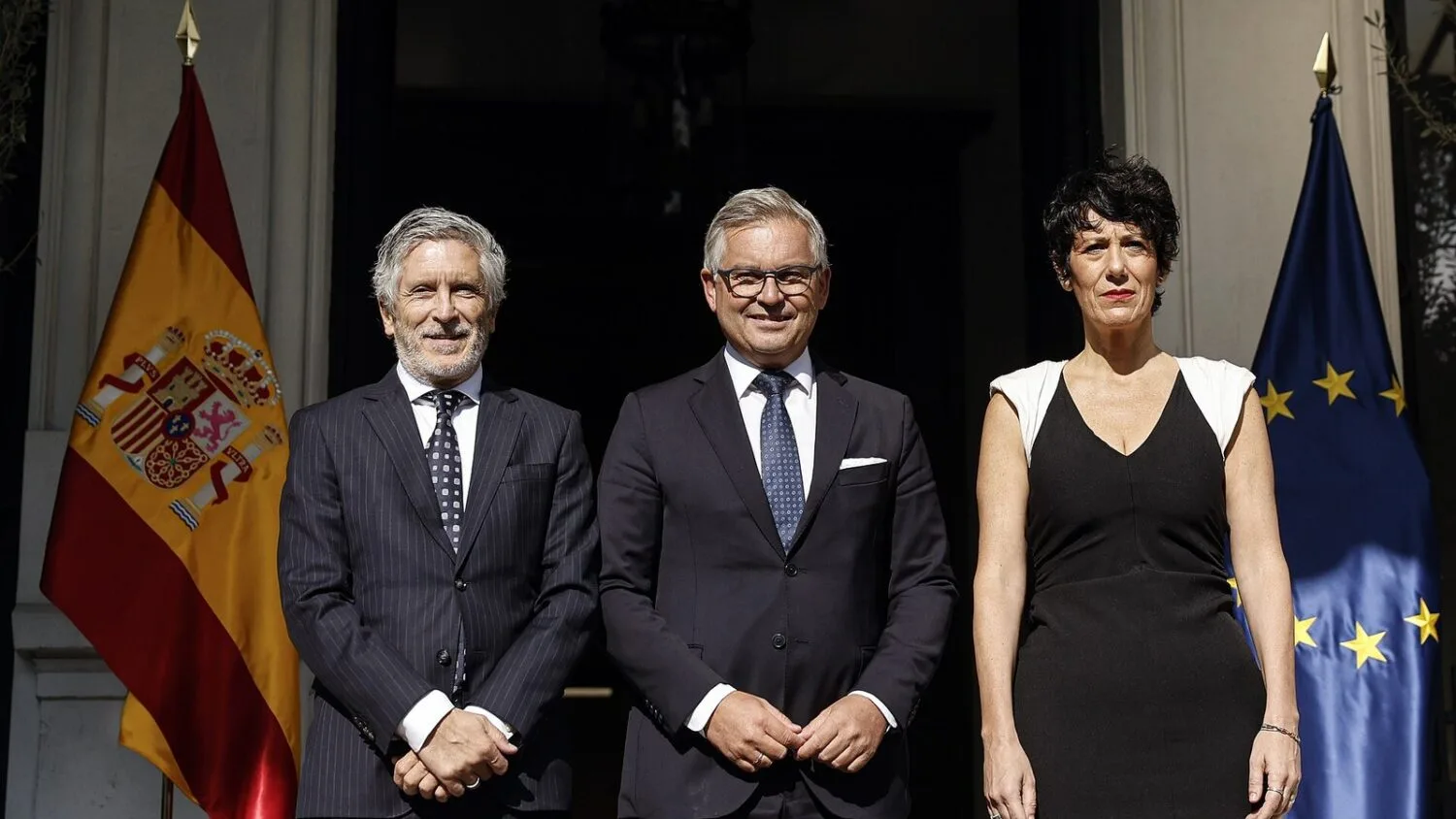
Minister of Social Inclusion, Social Security and Migration Elma Saiz said at a press conference after the government meeting that there are more than 10.5 million women in the social insurance system, and that the government is responding to “situations that were invisible”.
Since 1 June 2023, Spain has already had a special leave for women whose painful menstruation prevents them from working. According to Polish media, the menopause category is to be the first such solution in the EU.