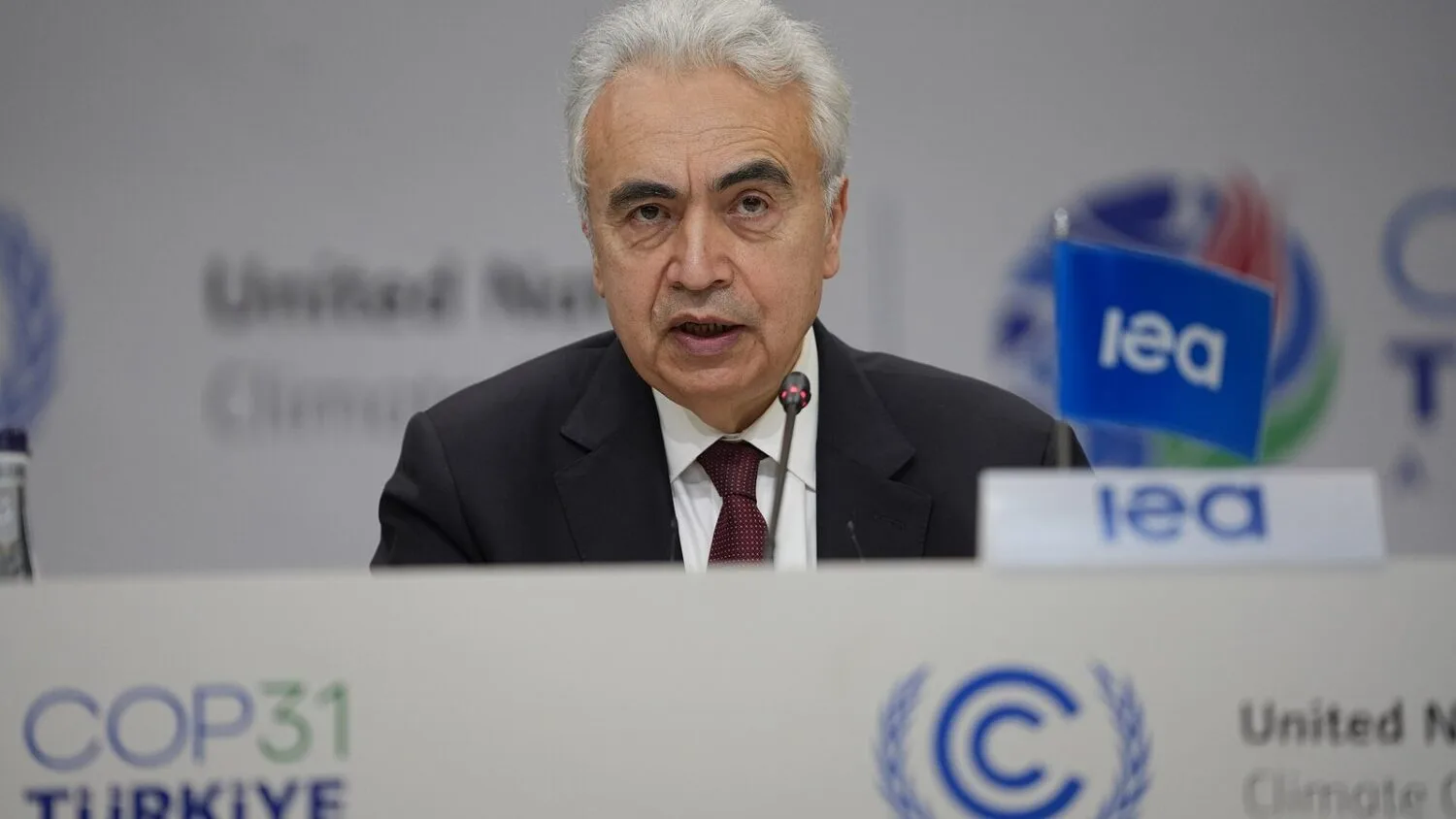
The International Energy Agency (IEA) said on Thursday, November 19, that the crisis around the Strait of Hormuz has created the greatest threat to energy security in history. The assessment came in the World Energy Outlook 2026 report.
What the IEA head said
Executive Director Fatih Birol wrote in the report’s foreword that the crisis in the Strait of Hormuz “has created the greatest threat to energy security in history, one whose scale exceeds the oil shocks of the 1970s.” The agency published the World Energy Outlook 2026 (WEO26) report on Thursday morning and streamed its launch live.
Birol also said he does not see a credible path for the global energy sector to return to its state before the crisis. According to the agency, the crisis, like earlier energy shocks, will leave lasting marks.
The IEA also published a post on X quoting Birol:
Consumers foot the bill
The report notes that consumers are increasingly having to absorb the effects of the crisis through high prices as other buffers run out. The agency stresses that the energy sector and the global economy have so far shown considerable resilience, but the longer the crisis lasts, the deeper its effects will be. Among the “winners,” it lists diversification, domestic resources and electrification.
In July, Birol wrote about the oil market in a more optimistic tone, pointing to “several cushioning factors.” The current assessment is clearly harsher.
New scenarios
This year’s edition includes two additional scenarios showing how the energy outlook would change if the crisis in the Middle East is prolonged. In the central scenario, the IEA forecasts that global oil demand will peak around 2030 and then slowly decline, while gas demand will keep rising until about 2035. The report also finds that, for the first time in history, demand for cooling buildings will exceed demand for heating.
Background to the crisis
The crisis began in February with American and Israeli strikes on Iran. Iran then blocked the Strait of Hormuz and is attacking oil tankers, which hampers oil exports from Persian Gulf states. We wrote earlier about US actions toward Iran in our article on US tankers heading to the Middle East.
Meanwhile, a government bill amending the act on crude oil, petroleum product and natural gas reserves, and on procedures in situations of threats to the state’s fuel security (print no. 3388), has been submitted to the Sejm.