
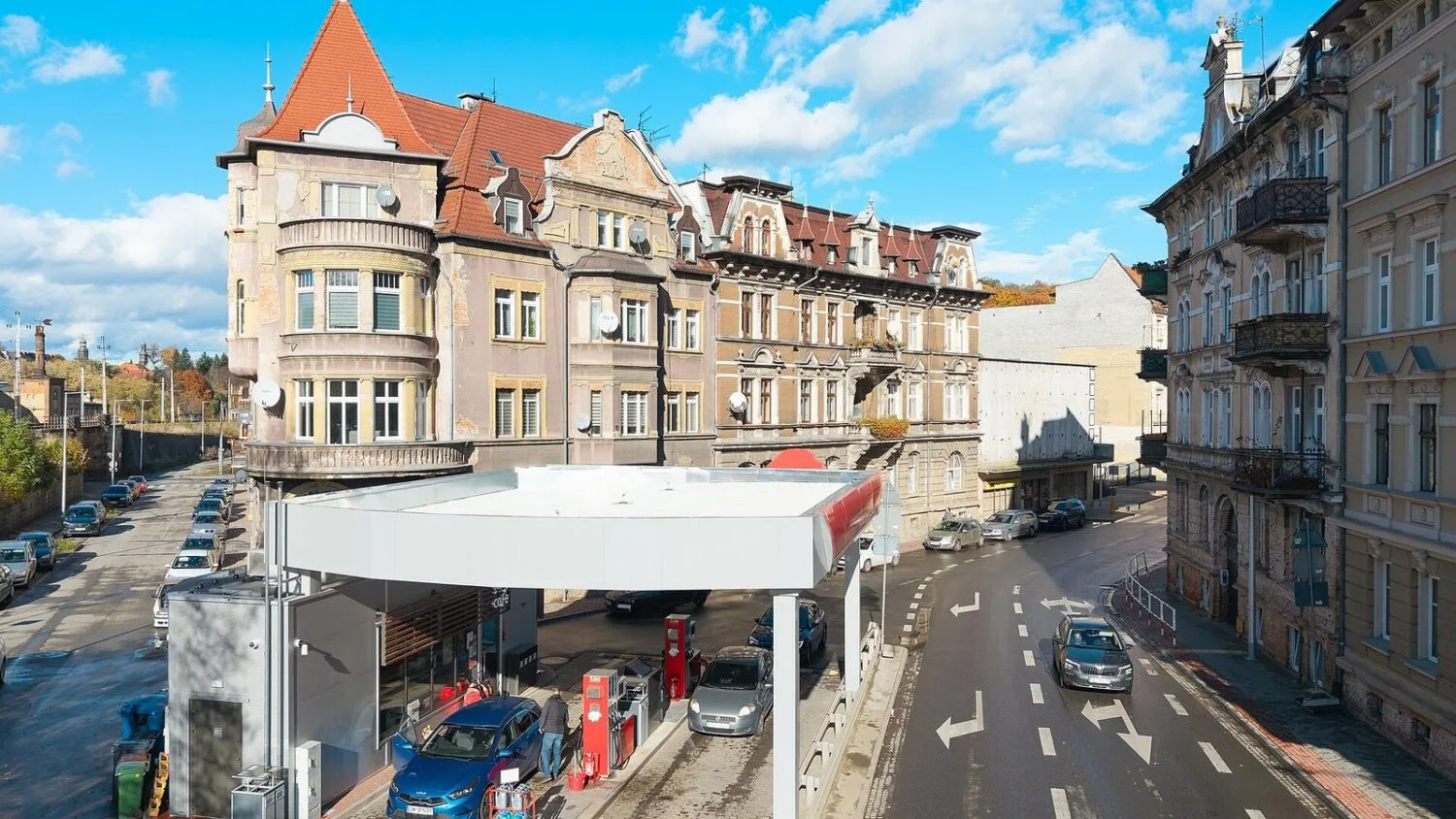
From Friday, 13 November, fuel stations must apply lower maximum prices: Pb95 petrol at PLN 6.06, Pb98 petrol at PLN 6.68, and diesel at PLN 7.54 per litre. Diesel is falling the most.
How much the limits have dropped
The Ministry of Energy’s notice on the maximum retail price of liquid fuels at filling stations lowers the caps in all three categories compared with those in force on Wednesday and Thursday (11–12 November). According to the ministry’s statement, those caps were then: PLN 6.10 for Pb95, PLN 6.70 for Pb98 and PLN 7.66 for diesel.
- Pb95: PLN 6.06 per litre (4 groszy lower),
- Pb98: PLN 6.68 per litre (2 groszy lower),
- diesel: PLN 7.54 per litre (12 groszy lower).
Prices include VAT. The cap applies to the price at the station, and sellers may not exceed it. The penalty for not applying maximum prices can reach PLN 1 million.
How the limits changed this week
In the notices of recent days, prices have changed unevenly. For the weekend of 7–9 November, the caps were PLN 6.12 (Pb95), PLN 6.80 (Pb98) and PLN 7.83 (diesel), accompanied by a fall in all fuels. On Tuesday, 10 November, Pb95 cost at most PLN 6.04 and diesel PLN 7.74. From Wednesday, the Pb95 limit rose to PLN 6.10, while diesel fell to PLN 7.66. Friday’s diesel cap is therefore lower than on previous days, and PLN 7.54 is exactly the limit that applied on 25 August, as published in Monitor Polski.
For comparison, on 3 November the Pb95 limit was PLN 6.37 and the diesel limit PLN 8.05. The difference from Friday’s rates is 31 and 51 groszy per litre, respectively.
Next notice on Friday
The minister’s next notice will be published on Friday and will set prices for Saturday, Sunday and Monday. The rule is constant: a new price applies from the day after publication in the Official Journal “Monitor Polski”, and on non-working days the price announced on the last working day before them applies.
CPN package until year-end
Maximum prices are an element of the “Ceny Paliwa Niżej” (CPN, “Fuel Prices Lower”) programme, which according to the government’s plans is to run until 31 December 2026. Its second pillar is a reduced VAT rate on fuel, from 23% to 8%, along with excise duty. It is to be financed, among other things, by a windfall tax on the extraordinary profits of fuel companies. The cap mechanism was used earlier: in spring, after the outbreak of the US and Israel war with Iran, and during the last two weeks of the summer holidays.
Earlier, we wrote about the limits for the All Saints’ period.