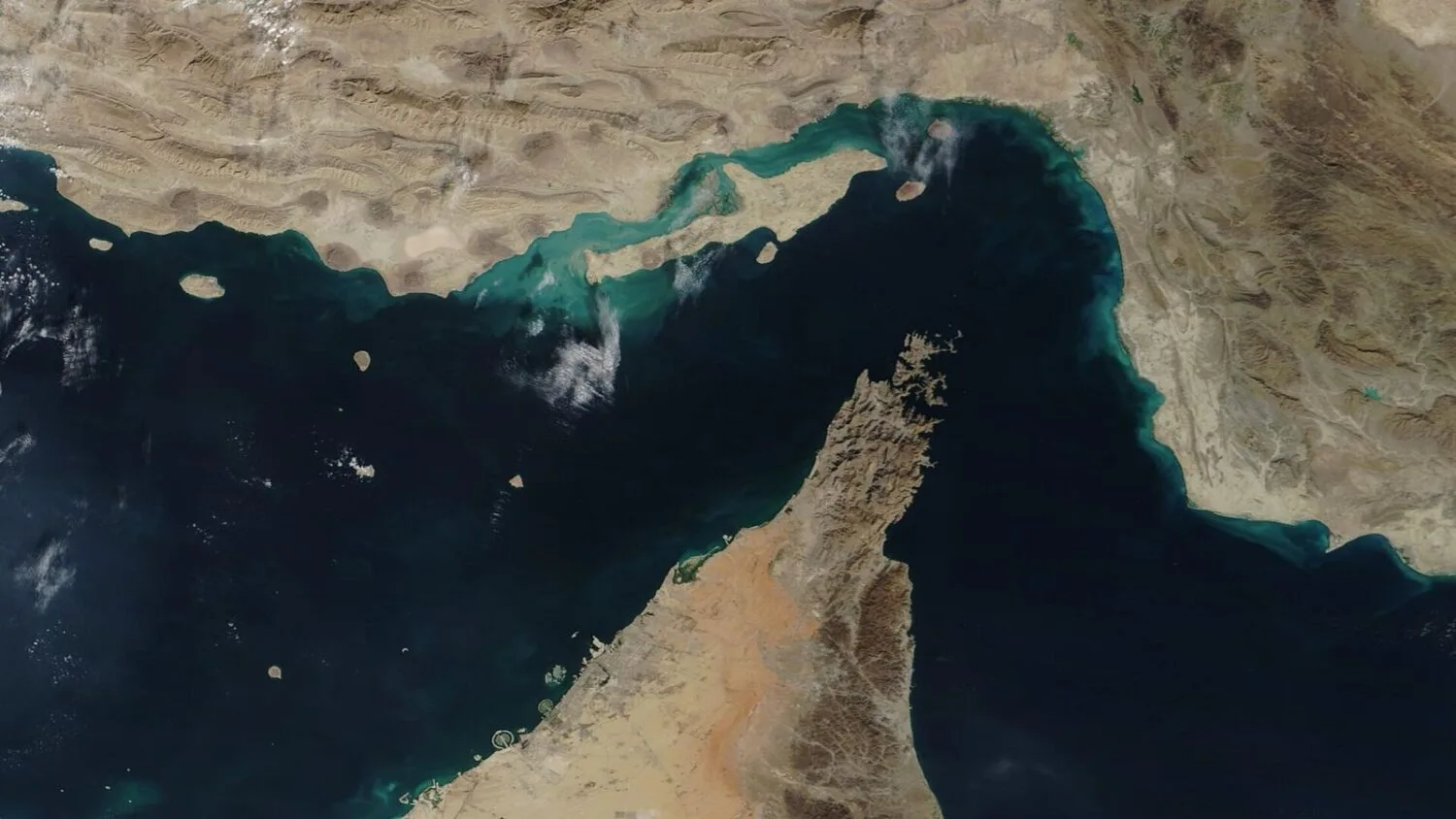
Indirect US-Iran talks in Qatar entered their third day as mediators wait for Washington’s response to an Iranian proposal that could reopen the Strait of Hormuz, the „Guardian” reports. Officials from Gulf states say they are prepared for the worst-case scenario.
According to the „Guardian”, as of Sunday, 1 November, Qatar is trying to negotiate the release of $6 billion in Iranian assets, which could pave the way for the strait to reopen. The British daily describes the mood among Gulf representatives as pessimistic.
What Iran is proposing
Iranian Foreign Minister Abbas Araghchi said on Saturday that Iranian negotiators are in Qatar to discuss a proposal that would allow the strait to be fully reopened within two days, provided the US meets several demands. He noted that there are no direct talks with the Americans. According to CBS News, a month earlier Tehran had proposed opening the route within a week in exchange, among other things, for lifting the US blockade of Iranian ports, unfreezing assets and sanctions waivers for Iranian oil. That offer was rejected.
Tensions in the background
Adviser to the UAE President Anwar Gargash said at a conference in Bahrain on Sunday that Gulf states are „prepared for the worst” and do not want another round of war (reporting by Euronews and CBS). Iran’s Supreme Leader, in turn, warned of a „geographically unlimited response” in the event of a new US attack. According to CBS, Donald Trump has suggested the possibility of further strikes.
On Sunday, Qatar’s Ministry of Foreign Affairs condemned the attack on the LNG tanker „Al Mayeda”, owned by Qatar Gas Transport Company, in the waters of the Persian Gulf.
At the time of publication, we had not found an official response from Washington to the Iranian proposal. We wrote about the earlier exchange of strikes near the strait in June: USA and Iran exchanged strikes near the Strait of Hormuz.
What it means
A significant share of global oil and liquefied natural gas exports passes through Hormuz, including Qatari LNG. Further closures of the strait or new attacks on ships keep pressure on oil and gas prices and, indirectly, on fuel prices at stations in Poland. US consent and the reopening of the route could ease that pressure; a collapse of the talks increases the risk of escalation.