On Friday, October 30, tens of thousands of people took to the streets in more than 50 Italian cities as part of a general strike called by the USB union. Protesters are demanding higher wages and opposing spending on armaments.
As the Polish Press Agency (PAP) reported in a dispatch cited by RMF24, marchers at the head of the processions carried banners reading „Drop the weapons, raise wages. We’re blocking everything.” According to Italian media, the demonstrations were attended by union activists, pro-Palestinian activists, workers, pupils and students. Slogans against the high cost of living were also chanted.
Scale of the protests
A large demonstration began before noon in Rome, and some protesters arrived in the city on tractors. According to estimates from the Ansa news agency, about 10,000 people marched in Milan and 20,000 in Naples. Organizers of the rally in Turin claim around 50,000 participants. These are estimates, and in Turin’s case organizers’ figures, so they may differ from police assessments.
Public sector employees belonging to unions joined the strike, including in education and transport. According to PAP, the Italian Interior Ministry sent reinforced police patrols onto city streets, as authorities feared a repeat of the riots from the previous two weekends. Soldiers, who have for years patrolled Italian streets and squares, are also guarding key locations.
Who is striking and what about transport
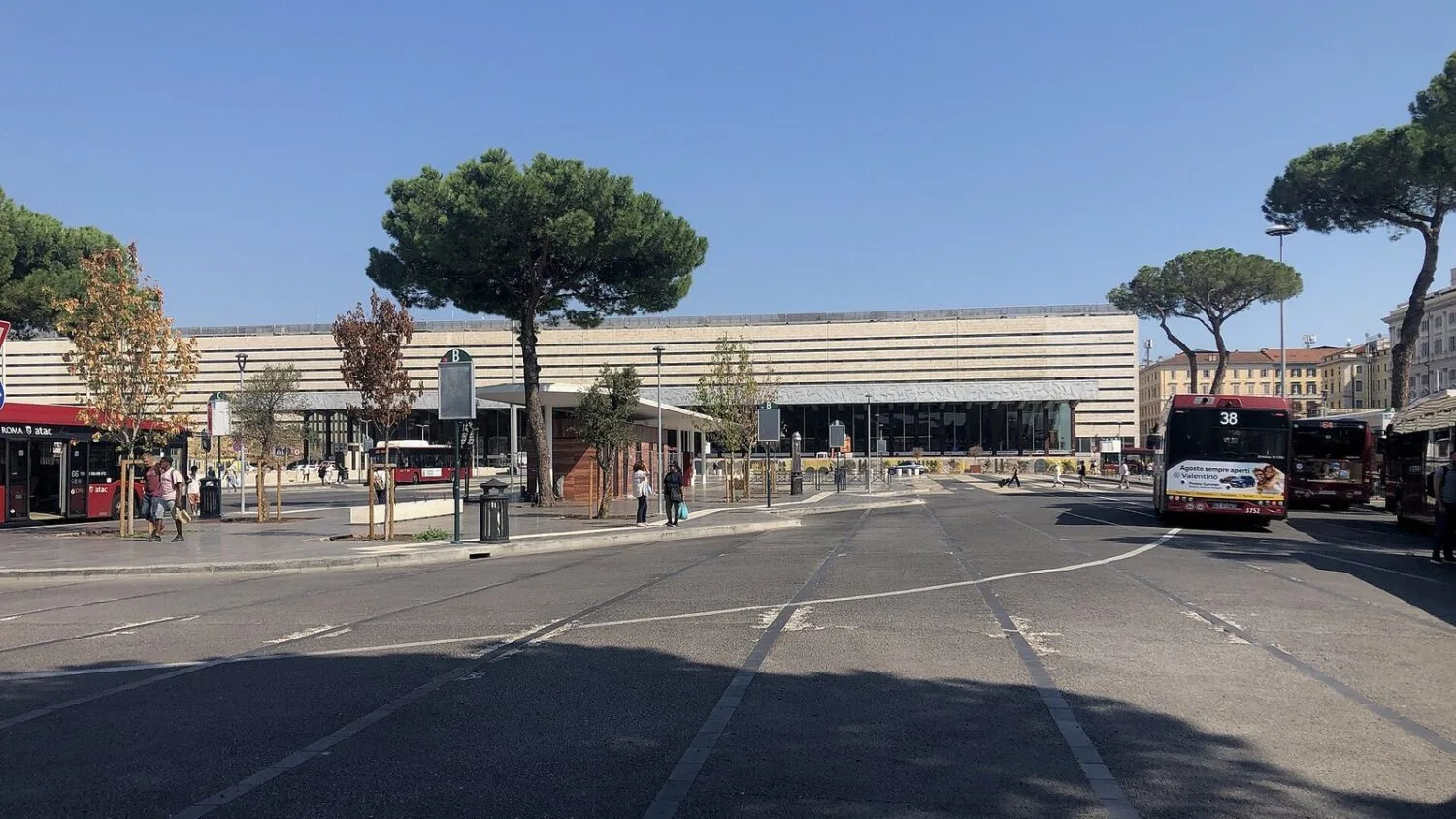
The strike was called by the Unione Sindacale di Base (USB) union, and other grassroots unions joined the protest. According to the scioperiitalia.it website, USB announced it on October 6. The US Embassy in Rome, in a notice to citizens, warned that the strike covers the whole country and may disrupt rail and air traffic, taxis, motorways, public transport, schools and offices. USB planned a demonstration in Rome at 10:30 a.m. at Piazza dei Cinquecento, near Termini station.
Information about the impact on travelers is inconsistent. Industry sites, including Strike Tracker, indicate that part of the transport strike was postponed by a decision of the infrastructure ministry, and that trains and urban transport were to run normally. According to AeroCorner, the USB strike still formally covers air transport, even though strike bans in aviation apply from October 30 to November 5, and the guarantee commission asked the union to exclude transport. These sites are not official sources, and actual disruptions depend on carriers.
What it means
For people travelling to Italy on Friday or over the weekend, the most important step is to check the status of their flight or train with the carrier. Disruptions may continue even after the strike ends. In Italy itself, the strike is another element of a wave of protests: according to the vivereinitalien.de website, it is the second general strike this month, after the one on October 2. Another strike by grassroots unions (CUB, SGB and others) has been announced for December 4.
At the time of publication, there were no official police or government figures on the total number of participants nationwide or on the outcome of any incidents.