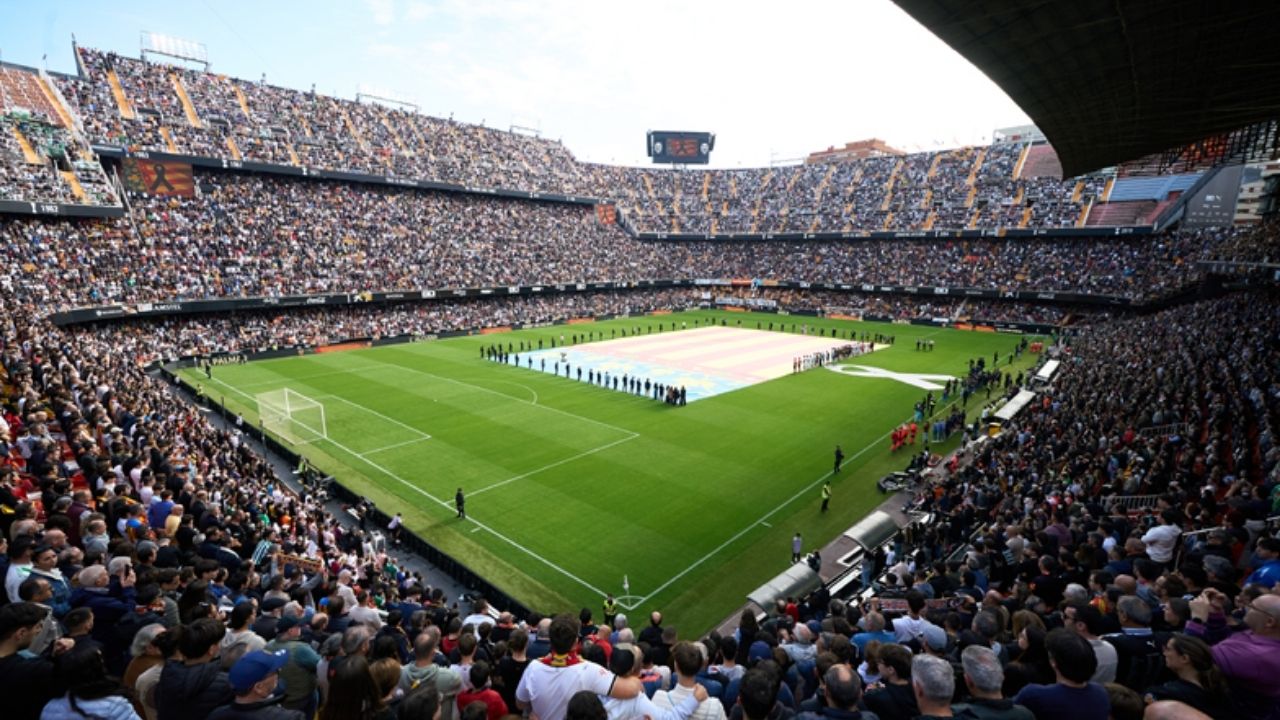
The Argentinian authorities have taken decisive action to enforce maintenance obligations – they have provided US services with a list of over 13,000 people behind with child payments. The goal is to prevent them from entering the games. World Championship 2026 in the United States (and Canada and Mexico). It is an unprecedented initiative that fits into the wider "Tribuna Segura" (Safe Court) policy.
Background and details of the decision
The initiative came mainly from the authorities Cities of Buenos Aires (led by Mayor Jorge Macri) and Ministry of National Security of Argentina, headed by Minister Alejandra Monteoliva. List includes persons entered in Register Público de Alimentantes Morosos (Public Register of Alimentative Debtors) – mostly fathers behind with alimony.
- Numbers: Around 13 000 persons from the maintenance register itself from Buenos Aires + wider national context. Along with those with bans on violence in stadiums (barrabravas) and other crimes, the number of locked Argentines can reach even 34-35 thousand.
- How does it work? The Argentine authorities provided the database to American organizers and services. In the stadiums there will be identity verification (scanning documents), which will prevent entry of the list. The prohibition is based on the right to refuse entry.
Jorge Macri (Mayor Buenos Aires) commented strongly:
"If they fail to meet their basic obligation as to feed their own children, they will not enter the stadium either. He who fails to fulfil such elementary responsibility must suffer consequences."
The measure is an extension of the national scheme Tribuna Segurawho has been blocking the entry to games for years to people with a history of fan violence. In May 2026, maintenance debtors were officially added to it through an appropriate resolution in the Official Journal.
Background to the maintenance problem in Argentina
The problem of not paying alimony is very serious in Argentina. According to UNICEF 2024, About 56% of women does not receive child support. For years, local and national authorities have been searching for ways to execute – from blocking bank accounts to bans on leaving the country or restrictions on access to mass events.
The stadiums and large events have been banned for some time now in Buenos Aires and in several provinces. Mundial 2026 has become an opportunity for international cooperation on this issue.
Reactions and controversy
- Support: Many Argentines (especially single-parent mothers) praise the initiative as a real step in protecting children's rights. The aspect of parental responsibility and social justice is highlighted.
- Critic: There are voices of excessive state interference, problems with the protection of personal data and whether the ban is not too broad a tool (e.g. whether it only covers serious backlogs or minor ones). Some point to potential logistical challenges when verifying thousands of people in large stadiums.
Broader context of the Mundial 2026
World Championships 2026 (11 June – July) are held for the first time in three countries: the USA, Canada and Mexico. Argentina, as a title defender from Qatar 2022, is one of the favorites. Albicelestes group matches were planned in the US, making it easier to enforce the ban for Argentine fans.
This is not the first cooperation between Argentina and the US on security issues at football events – the list of kiboli (barrabravas) was previously passed, for example, before Copa América or Club World Championships.
Summary
Argentina's decision is a strong signal: Parental Responsibility Over Entertainment. Will it bring real effects in the execution of alimony – time will tell. For now, it has become one of the loudest non-sport subjects before Mundial 2026 and shows how the country tries to combine fighting violence at stadiums with protecting family rights.