Lewica MPs filed a draft bill in the Sejm on Thursday, 29 October, to abolish the Church Fund (Fundusz Kościelny). According to RMF FM, the state would no longer finance 80% of clergy social insurance contributions.
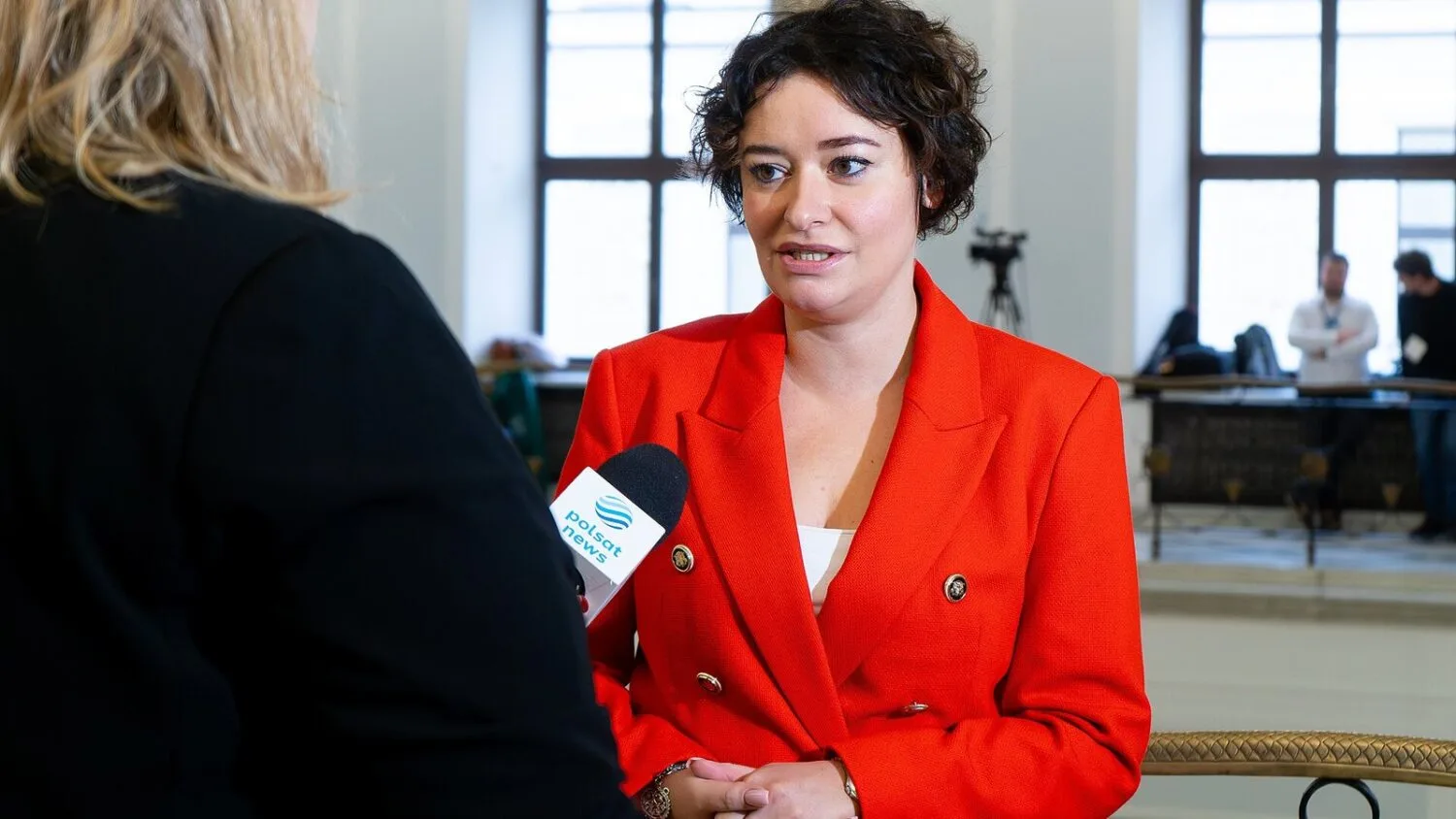
The main premise of the bill, as reporter Marek Mikołajczyk of RMF FM established, is to move away from the current model, under which the state covers 80% of clergy social insurance contributions. According to these findings, half of the contributions would be paid by churches and religious associations, and the other half by the clergy themselves. MP Anna Maria Żukowska, head of the Lewica club, said at a press conference that the Churches should „finance themselves”.
Exceptions and the health contribution
Members of enclosed religious orders and missionaries would be exempt. The Church would cover their contributions in full. According to gazetaprawna.pl, based on RMF FM’s findings, the health contribution would be voluntary for members of enclosed orders and mandatory for other clergy. At the time of writing, the full text of the bill could not be found in the list of Sejm prints.
Why now
An interministerial team on the Church Fund has operated since 2024. It is led by Deputy Prime Minister and Minister of National Defence Władysław Kosiniak-Kamysz of the PSL. According to media reports, the team has not reached any compromise. Żukowska told RMF FM that the government draft „probably will not come out of the Council of Ministers”. She added that Lewica expects the support of Civic Coalition (KO), because the prime minister has argued for abolishing the fund.
Party leader Włodzimierz Czarzasty asked, according to Onet, „how long can one keep calling for a secular state”. Earlier, in spring 2025, Family Minister Agnieszka Dziemianowicz-Bąk presented a government draft with a similar 50/50 split of contributions. It did not, however, appear in the government’s legislative work list. Even then, PSL MP Jarosław Rzepa announced that his club would not vote for such a solution.
What next and what it means
For now, this is the initiative of a single parliamentary club. The bill must receive a print number, be referred to a first reading and win a majority in the Sejm. Without the votes of KO and PSL there is no chance of that, and the PSL’s position has so far been negative. At the time of publication, we had not learned the position of the Chancellery of the Prime Minister or the Polish Episcopal Conference.
For readers in Poland, the change would mean the state would stop subsidising clergy contributions from the budget. The cost would shift to parishes, religious orders and the priests themselves. For now, the existing rules remain in force. No detailed figures for budget savings were given in the outlined assumptions.