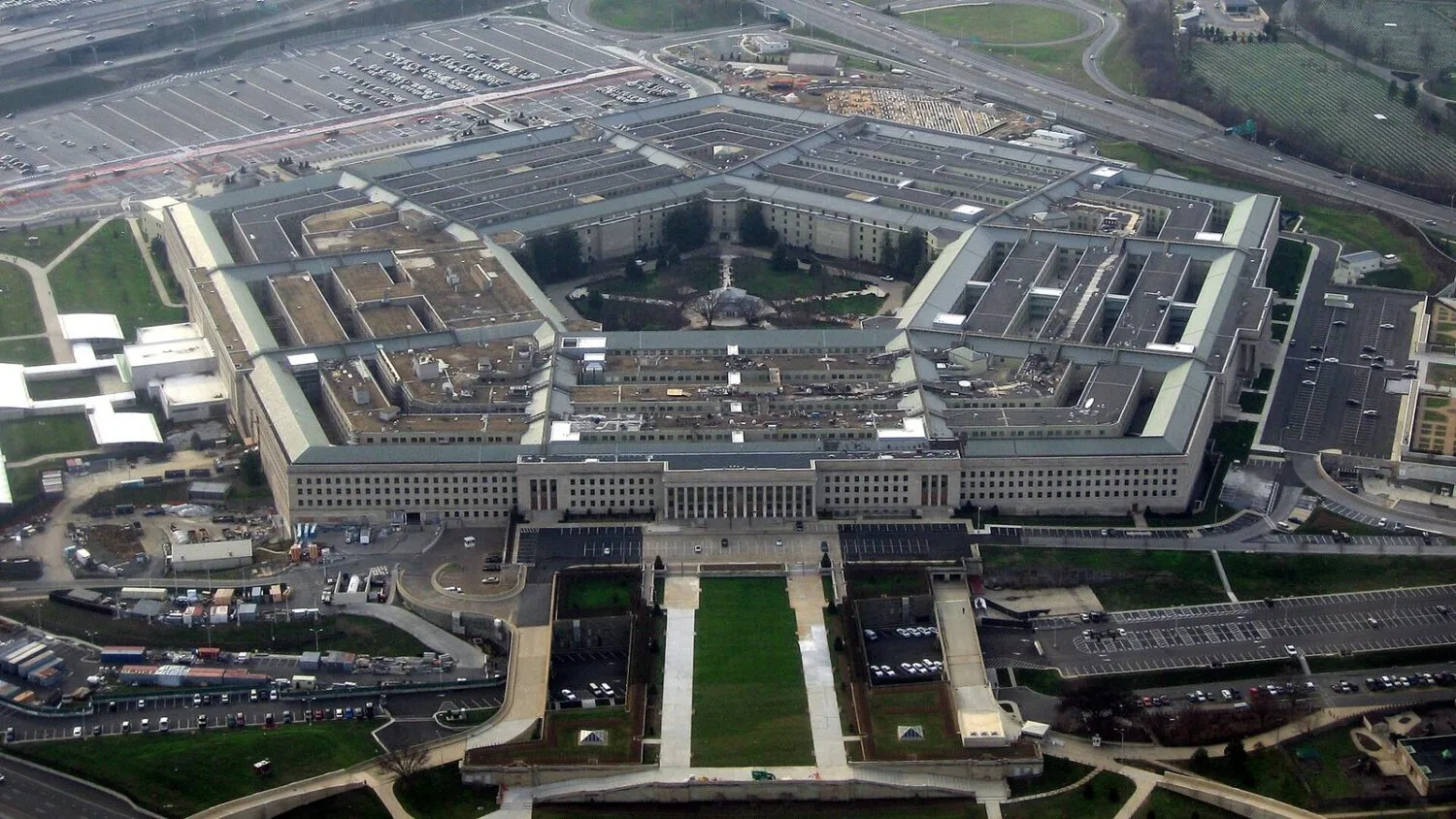
The US Army has so far spent over $47 billion on the war with Iran, according to Pentagon data obtained by Reuters. That is more than 25% higher than the Defense Department’s July estimate.
The agency published the information on Tuesday, October 27, and posted about it on X on Wednesday, October 28.
Reuters describes the data as the Pentagon’s estimate of the operating costs of waging the war. The department has not made them public and, according to the agency, did not immediately respond to a request for comment.
Where the Money Goes
According to Reuters, the largest item is over $29 billion to replenish expended ammunition. Another $6 billion-plus is needed to replace equipment and cover so-called platform losses, including lost aircraft and numerous drones.
The breakdown covers a range of operating costs, from combat flights to cyber support. However, Reuters notes that it does not clearly include spending on repairing American bases damaged in Iranian missile and drone attacks. The actual bill may therefore be higher.
July Versus October
The agency compares the new estimate with the July calculation by the head of the department, Pete Hegseth, who put the cost of the war at $37.5 billion. The difference is almost $10 billion.
The United States and Israel started the conflict in February, assuming it would be short. According to Reuters, the original strategy called first for the use of expensive, precision missiles against Iran’s defenses, and then for cheaper munitions such as JDAM bombs. However, the April ceasefire gave Iran time to dig out underground stockpiles and rebuild part of its defenses and its arsenal of missiles and drones.
President Donald Trump later imposed a naval blockade of Iran to cut off its oil export revenue, and allowed fighting to resume after the midterm elections. US officials, speaking anonymously, told the agency that the Pentagon plans to resume heavy strikes if it receives such an order.
The Political Backdrop
The data emerges just days before the November 3 elections, which will decide control of Congress for the next two years. Reuters writes that Republicans are grappling with the political fallout of an unpopular war, and that its impact on energy prices is weighing on support for the party’s candidates and for Trump himself.
What It Means
For readers in Poland, the direct impact is indirect. Higher US demand for ammunition and equipment means stockpiles must be rebuilt, and this may compete with deliveries to allies. However, Reuters does not draw such conclusions, so this is only context. The key dates are the November 3 elections and a possible White House decision to resume fighting. From our earlier articles on the ceasefire in the Israel-Iran war in 2025, we know this is not the first round of the conflict, but the current war is a separate campaign that began in February.