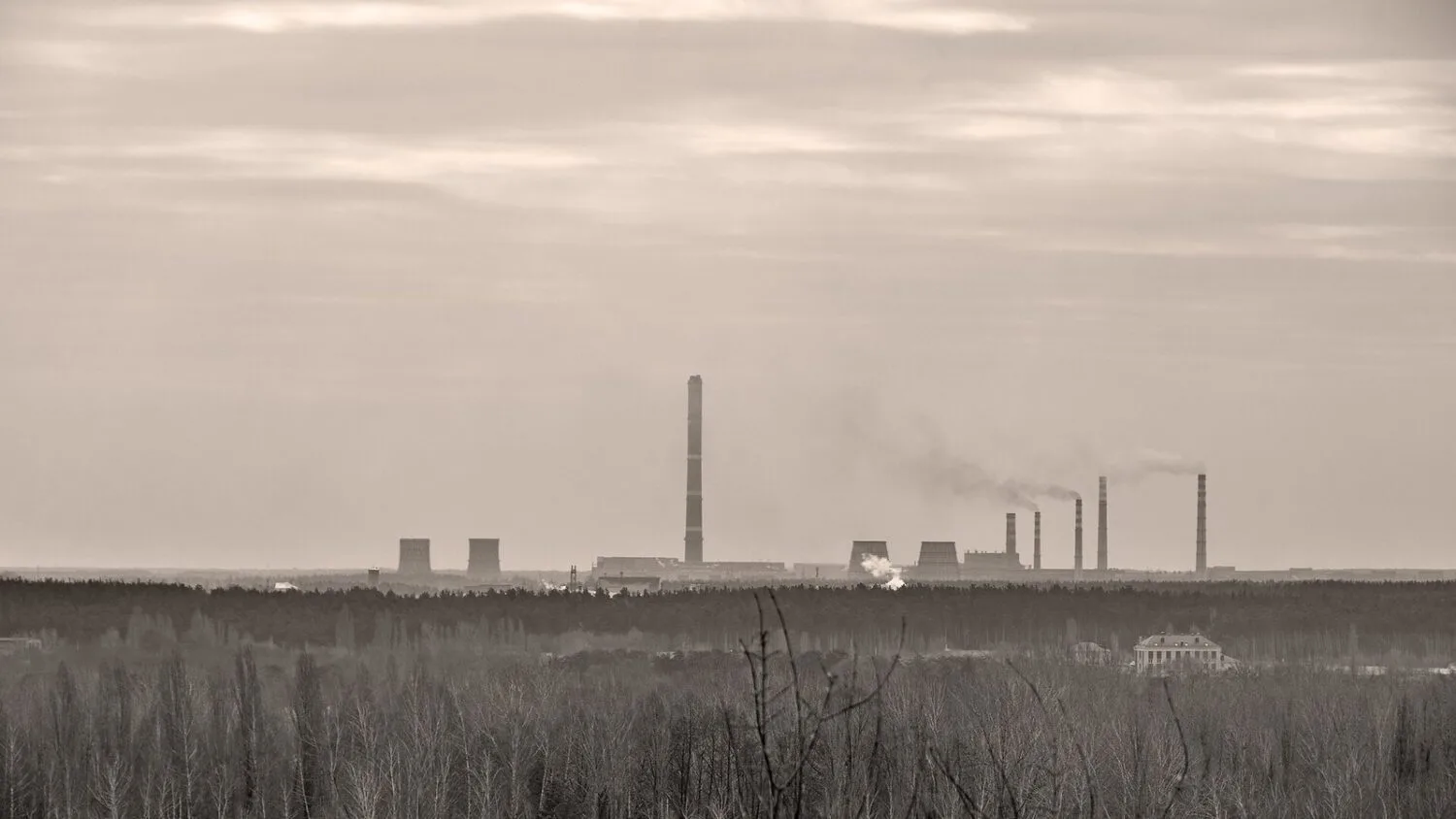
Overnight on 27–28 October, drones attacked the Azot chemical plant in Novomoskovsk in the Tula region; monitoring channels report a fire. The governor confirmed an attack on the region but did not name the facility, while authorities in Lipetsk deny a major fire at the steelworks.
According to the Ukrainian outlet Ukrainska Pravda, citing the monitoring channel Exilenova+, a fire broke out on the grounds of the Azot plant in Novomoskovsk. An analysis of photos and videos from residents suggests that the AM-70 ammonia production unit may have been burning. This is an OSINT assessment, not a statement from the Ukrainian or Russian side.
What Russian authorities say
Tula Region Governor Dmitry Milayev confirmed a „massive attack” by drones. As reported by bne IntelliNews, citing TASS, falling debris damaged a residential building, private homes and infrastructure in the nearby industrial zone. The consequences and any possible casualties were still being established. Laboratory teams, including from Rospotrebnadzor, were sent to the city, and a temporary accommodation point was opened for residents.
Milayev did not name the plant. As of publication, we had no comment from the owner, the EuroChem group, or the Ukrainian military.
Lipetsk: conflicting reports
Monitoring channels, quoted by Kyiv Post, reported a fire on the grounds of the Novolipetsk Steel (NLMK) plant late on the evening of 27 October, after air defence was activated. Lipetsk Region Governor Igor Artamonov called reports of a large industrial fire false. According to Izvestia, cited by IntelliNews, drone debris set fire to a strip of forest, the fire was brought under control, 45 drones were shot down, and one person sought medical help. The claim that both plants were „hit” is therefore so far confirmed only for Novomoskovsk, and even there without authorities naming a specific facility.
What Azot is
Azot belongs to the EuroChem group and is one of the largest Russian producers of nitrogen fertilisers. According to Militarnyi and United24, it produces ammonia, ammonium nitrate, urea and methanol, and some of these products can also serve as raw materials for explosives. This description comes from open sources, not from an official statement.
The plant has already been a target of attacks. Militarnyi reports strikes on 14 and 26 June, and Ukrainska Pravda recalls an attack in June. This is another element of a long-range campaign aimed at Russian industry; we described earlier strikes on energy infrastructure in our article about drone attacks on Russian refineries.
What it means
For readers in Poland, this is news about the course of the war, without a direct threat: Novomoskovsk lies about 400 km from the Russian-Ukrainian border. The scale of the damage and any impact on fertiliser production will become clear only after official statements, including from the Ukrainian General Staff and EuroChem.