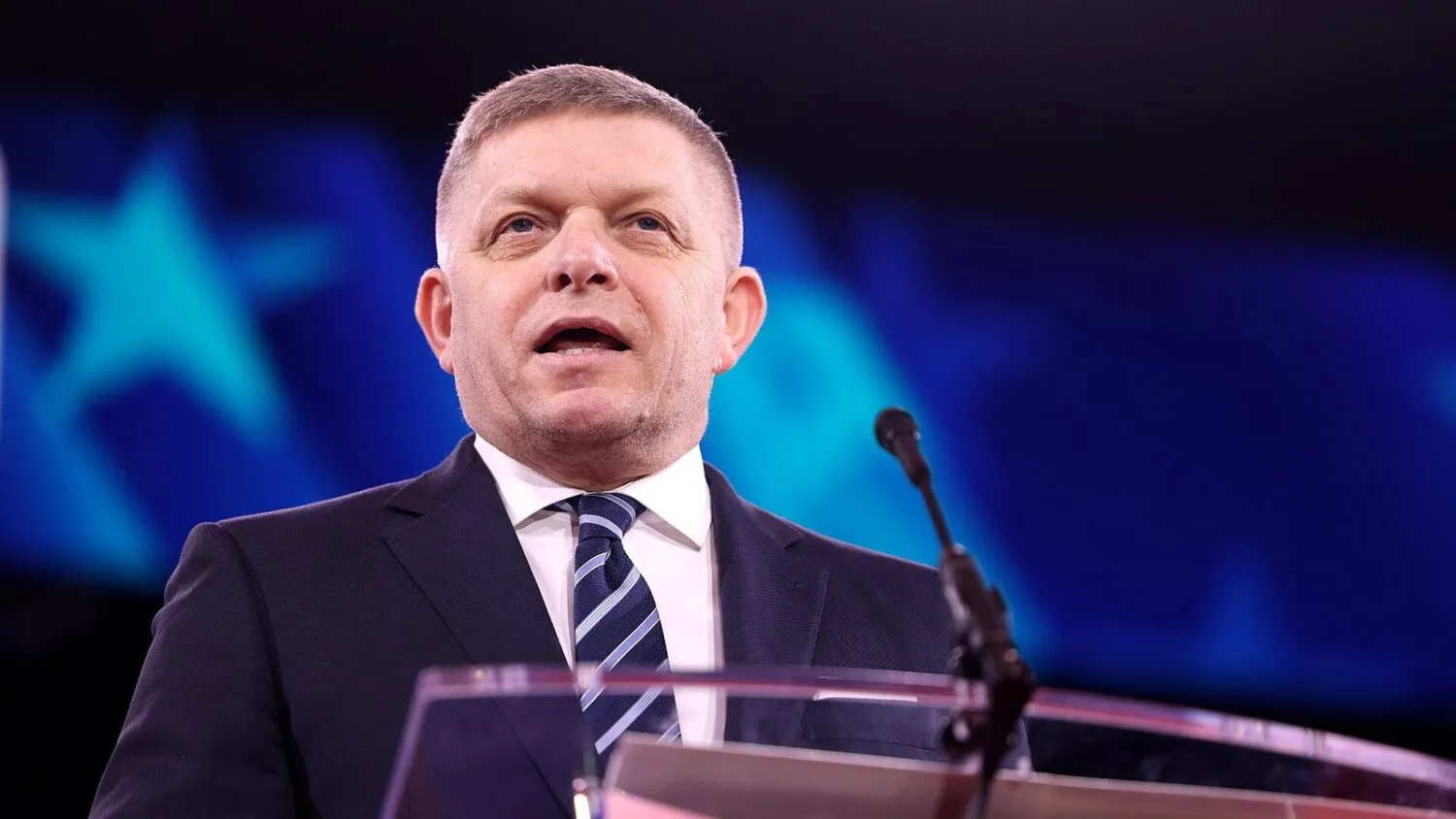
Slovakia and Hungary do not want to take part in financing another EU loan for Ukraine for 2027, Slovak Prime Minister Robert Fico announced. According to Polish media, the Czech Republic is joining this group, which further complicates talks on the EU budget.
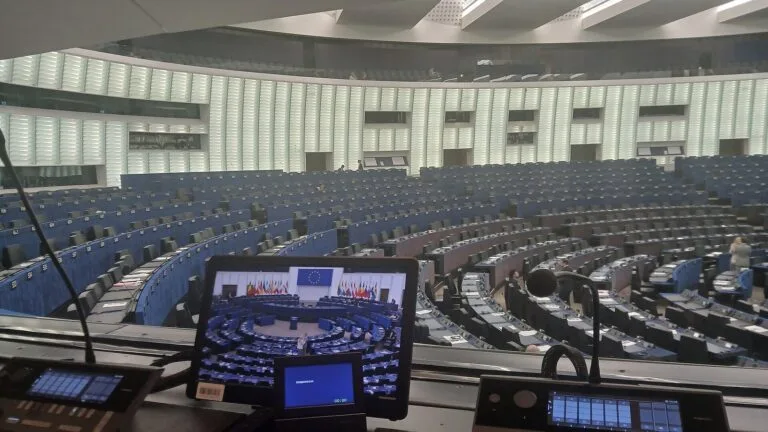
Fico made the statement after the European Council summit in Brussels, which took place on 15–16 October. As Denník N reported on Saturday, 17 October, and Kyiv Post followed, Kyiv Post, Slovakia and Hungary will not take part in the initiative that is meant to provide Kyiv with an additional 70 billion euros for 2027. Kyiv Post writes that Hungarian Prime Minister Péter Magyar shares this position.
What the loan is about
Ukraine is asking the EU for a new 70 billion euros, because the current financing is scheduled for 2026–2027. In December 2025, leaders agreed on a 90 billion euro loan financed by joint debt. The European Commission is disbursing this money gradually. According to Kyiv Post, on 14 October the EU transferred another 2.86 billion euros for defence needs under this instrument.
President Volodymyr Zelensky said on 17 October that leaders had responded with understanding and that, as he put it, no one said „no.” He did, however, openly state that Ukraine needs an additional 70 billion euros for next year.
Link to the EU budget
Fico argued that linking talks on the EU budget for 2028–2034 with financing for Ukraine is dangerous. In his view, member states are still far from a common position, and an agreement by the end of the year, which European Council President António Costa is counting on, will be difficult. Slovakia, the prime minister says, is ready to help Ukraine in other ways, for example through education, road and energy projects.
In the summit summary, the presidency stresses that an agreement on the budget before the end of 2026 would allow the necessary legal acts to be adopted in 2027. According to Euronews, the summit ended without a budget agreement and with a new financing gap for Ukraine.
The Czech position
The Czech Republic already has a precedent. After the December 2025 summit, Prague, together with Bratislava and Budapest, refused to guarantee the 90 billion euro loan. The money flowed thanks to the remaining 24 states, and the solution was based on enhanced cooperation. This model may also return for the new loan.
What it means
For Poland, which is among the countries supporting Kyiv, the dispute means that further financing may again rely on a group of willing countries rather than all 27. No decision has yet been made on the form or amount of the loan. This depends on talks on the EU budget for 2028–2034, which are expected to last until at least the end of the year. At the time of publication, we had not found an official statement from the Czech government on the new 70 billion euros.