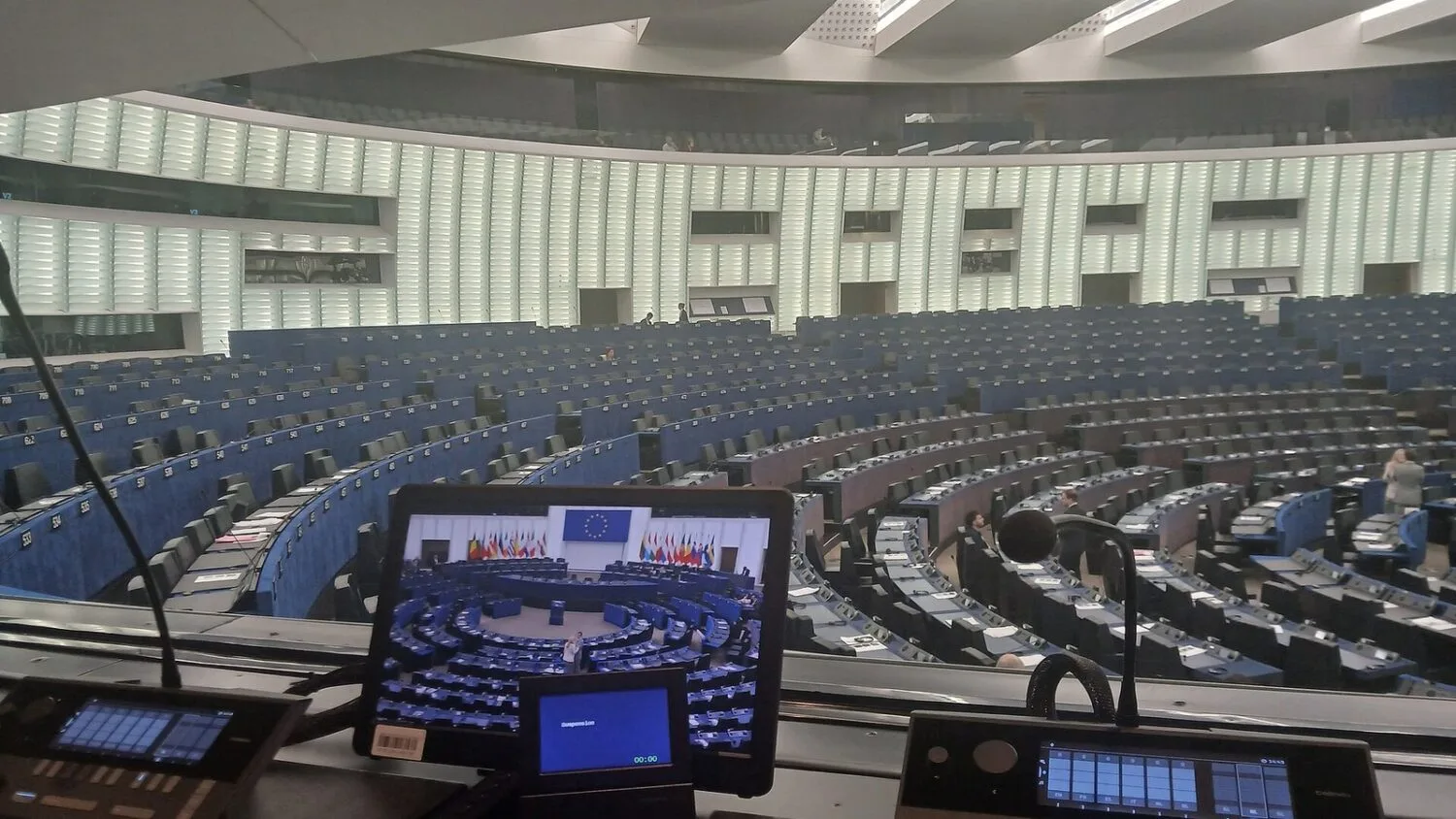
The three largest groups in the European Parliament have agreed to soften the EU’s CO2 emissions target for new cars for 2035, according to the text of the agreement obtained by Reuters. It is a further step after the joint proposals of France and Germany of October 16.
As Reuters reported on October 20, the agreement was reached by the European People’s Party (EPP), the Socialists and Democrats (S&D) and Renew Europe. Instead of the 100% cut in CO2 emissions from new cars compared with 2021 that applies today, negotiators propose a target of 87.5%. Manufacturers could additionally receive up to 7.5 percentage points of „credit” for using low-emission steel produced in the EU (Reuters).
How the new target works
According to Brussels Signal, citing an earlier report by Der Spiegel, the 95% requirement has formally been kept on paper, while green steel would „lower” it to 87.5%. This structure leaves lasting room for combustion-engine cars and hybrids beyond 2035 (Brussels Signal). Current rules adopted in 2023 require a 100% cut in emissions from new cars and vans from 2035, which in practice ends sales of new combustion-engine cars.
Earlier, in December 2025, the European Commission proposed a 90% target, with the remainder to be offset through, among other things, steel, e-fuels or biofuels. The joint position of Berlin and Paris, described by us after the October 16 agreement, went further: 90% without offsetting the remaining 10%. The Parliament’s version therefore differs in both structure and level of the target.
What happens next
The agreement does not change the law. The groups themselves still have to approve it, and then Parliament must agree the final text with the governments of the member states. According to NordiskBil, the Industry (ITRE) and Transport (TRAN) committees backed the compromise on Thursday, October 22. The lead environment committee is expected to vote in early November, and a plenary vote is possible in December (AM Online). These dates come from trade media and may change.
According to Reuters, as cited by the motoguru.pl portal, a less strict target for light commercial vehicles was also agreed: an 80% reduction from 2035. This information still needs to be confirmed in the text of the agreement.
What it means
For buyers in Poland, nothing changes immediately: the current law applies, and registrations of new combustion-engine cars are not restricted today. If the compromise passes, after 2035 showrooms could still offer hybrids and some models with petrol or diesel engines, provided the average emissions of a manufacturer’s fleet stay within the limit. Specific models and prices will depend on the final provisions and manufacturers’ decisions.
A preference for EU steel may matter for Polish steelworks and parts suppliers to European manufacturers, but the scale of the impact depends on the final thresholds and accounting rules. As of publication, there is no final position of the Council of the EU on the Parliament’s text.