The Islamic Revolutionary Guard Corps (IRGC) said on Friday, October 30, that two tankers had caught fire and been detained in the Strait of Hormuz. It happened on the day Qatari mediators returned to Tehran with another proposal to end Iran’s war with the US.
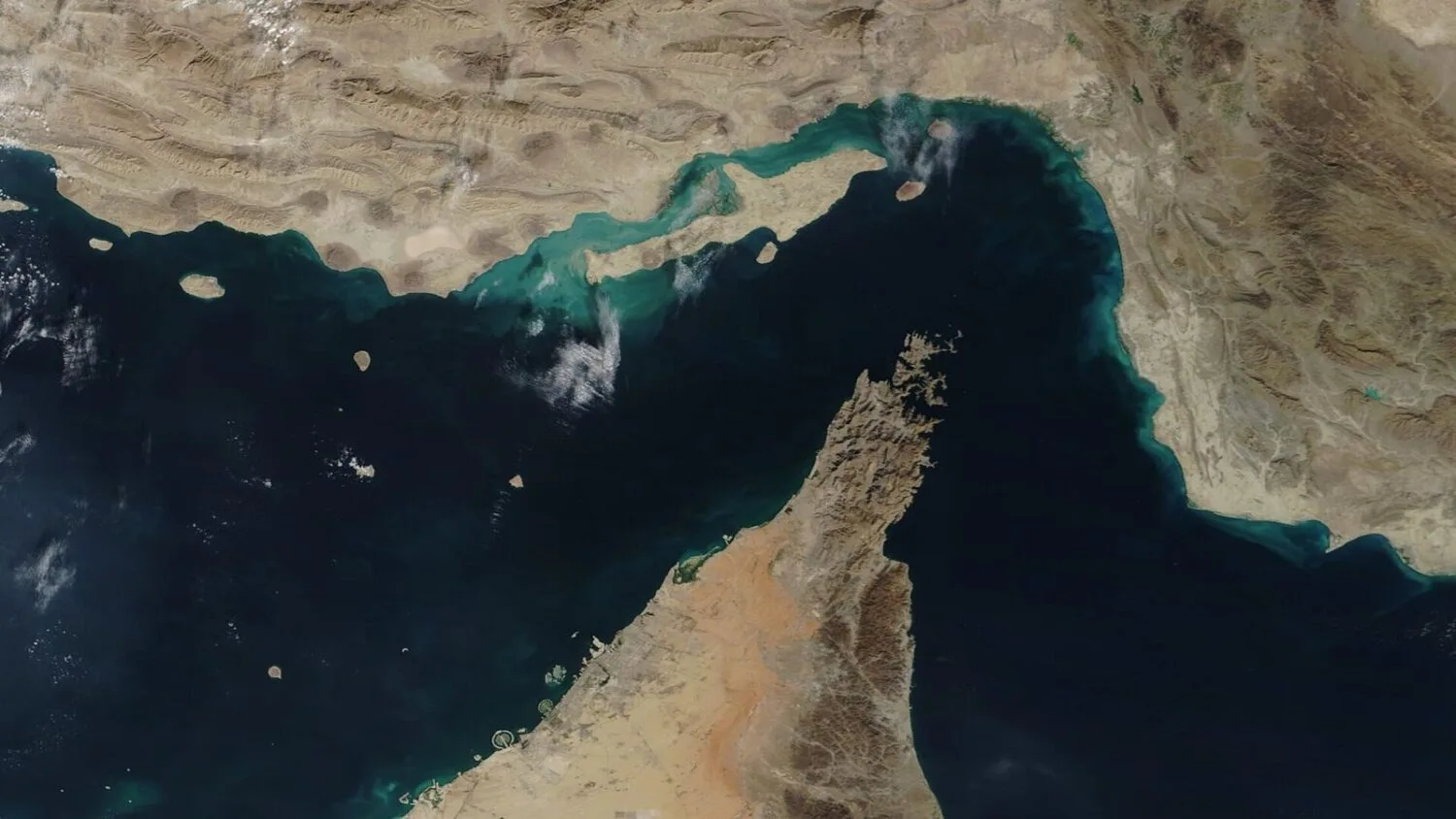
According to Iranian state media, cited by Euronews, the IRGC said both ships had tried to pass through routes that Tehran considers unauthorised. One was reportedly in the eastern part of the strait, the other in the western part. The Guards claim the crews switched off their navigation and positioning systems and ignored repeated radio warnings. The vessels were stopped in waters south of the strait.
The IRGC did not name the tankers, their flags, the causes of the incidents or the condition of their crews. The Iranian navy, cited by CBS News, spoke of damage caused by striking sea mines. Iran International, as reported by the portal HNGN, added a third claim: of a burning supertanker carrying more than 2 million barrels of oil. Independent sources have not confirmed this information.
What other sources confirm
The British organisation UKMTO reported that on Thursday evening a small boat approached a tanker and attached two explosive charges to its hull. A fire broke out in the engine room and was extinguished. According to the Financial Times, the vessel was the Louise 1. The incident took place about 25 nautical miles north-east of Chasab in Oman. The crew was safe, no pollution was reported, and the ship continued on its way. It is unknown who is behind the attack or whether it is linked to the IRGC statement.
The Omani Maritime Security Centre also reported on Friday that the Royal Navy of Oman evacuated 25 crew members from a Panama-flagged ship that caught fire after an attack, less than 2 nautical miles off the coast of Musandam. The name of the vessel and the perpetrators were not disclosed.
Euronews recalls that on Thursday, October 29, the IRGC spoke of three tankers that had struck mines on the southern route, while the regular Iranian army reported another burning tanker. It is unclear whether the two ships from Friday are new vessels or the same ones.
The dispute over routes and the US position
Iran demands that ships coordinate their passage with its authorities and sail closer to the northern shore. Vessels wishing to avoid Iranian control use the southern route, near the coast of Oman. CENTCOM commander Adm. Brad Cooper repeated that the main shipping lanes have been cleared of mines, that the Iranian fleet has been destroyed, and that the IRGC does not operate in the strait. CENTCOM also denied Iran’s claim that it had captured an American MQM-170 Outlaw drone.
Talks in the background
Mediators from Qatar arrived in Tehran with an improved proposal. CBS News, citing a person familiar with the negotiations, writes of signs of progress and an expected Iranian response by the end of the week. Axios reports that the talks concern, among other things, inspections of Iranian nuclear facilities and the lifting of sanctions, but there is still no agreement on the terms for formally opening negotiations. According to Axios, the US and Israel are also considering broad strikes on Iran after the US midterm elections on November 3. Donald Trump said on Friday that the war would end “soon”.
The US war with Iran has been ongoing since February 2026. We wrote about an earlier exchange of strikes near the strait in our article on the escalation in June 2026.
What it means
A large share of global oil trade passes through Hormuz, so further incidents affect the market. According to ZeroHedge, the price of Brent crude exceeded $116 a barrel on Friday morning. These figures come from a secondary source and require verification. For drivers in Poland, more expensive oil usually means pressure on fuel prices at petrol stations, with a delay relative to market quotes.
As of publication, there is no confirmed reaction from Qatar to Friday’s incidents.