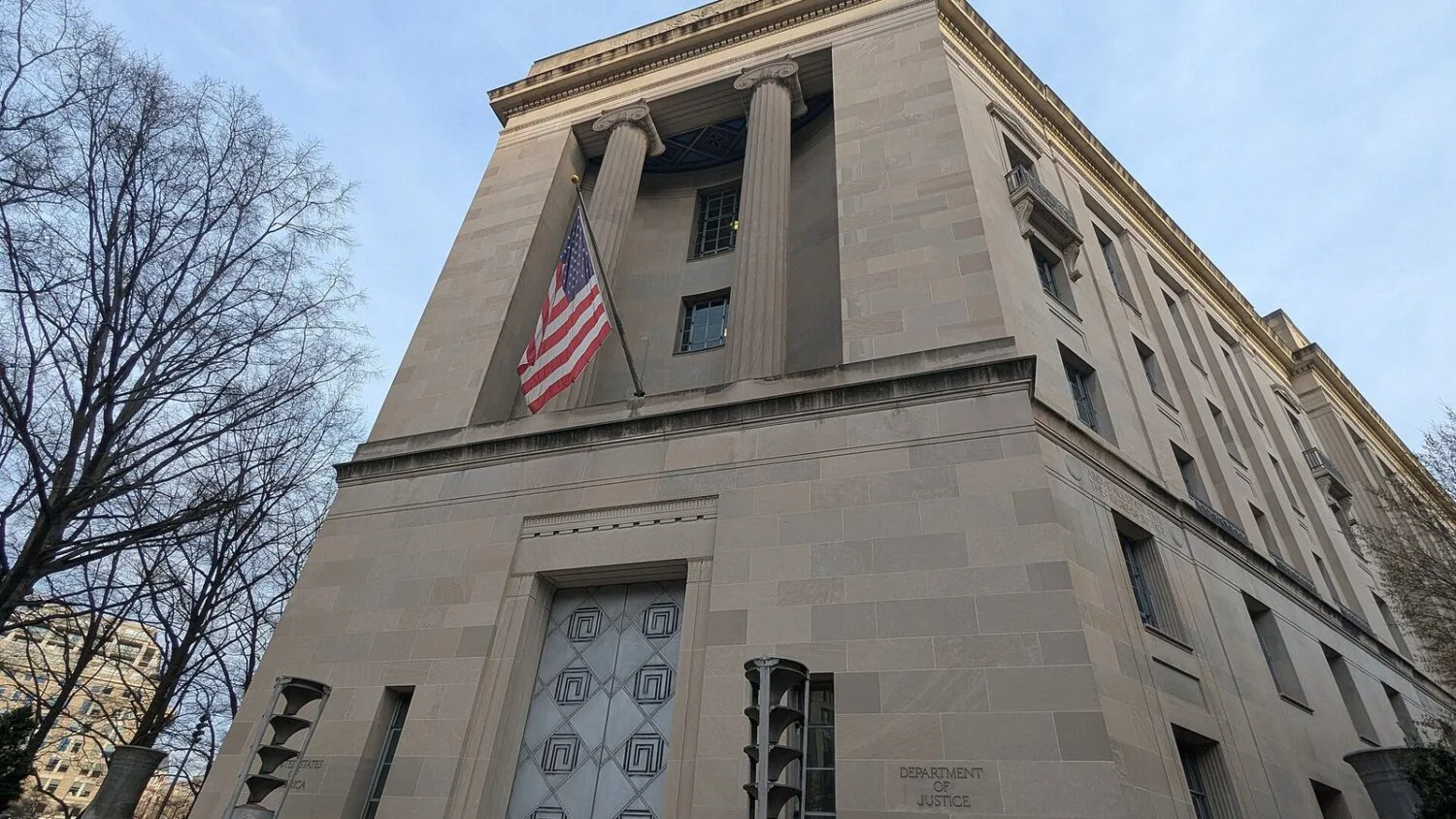
The US Justice Department has opened a criminal investigation in California into alleged participation of non-citizens in elections and is summoning local election officials before a federal grand jury. As NBC News reports, this is the next step after the Donald Trump administration’s defeat in federal court on Wednesday.
According to the New York Times, whose findings are cited by PAP, at least two employees of the Los Angeles County voter registration office have received summonses to appear before a federal grand jury. The session is scheduled for the day after the congressional elections, planned for Tuesday, November 3. Officials are expected to explain how they check whether people without US citizenship are taking part in voting, and how they prevent such votes from being counted.
NBC News, citing an official, writes that the summonses were sent to local election officials across the state. According to this official, a summons alone does not mean that someone is a target of the investigation, and the Justice Department rarely summons people it intends to charge. The department declined to comment on „leaks about alleged summonses,” adding that federal courts have ruled that illegal voting carries criminal liability.
Court defeat and appeal
Federal Judge David Carter on Wednesday, October 28, rejected the administration’s request to separate and halt the counting of about 20,000 mail-in ballots sent by people who, according to the government, are likely not US citizens. California authorities argue that the federal data on which the list was based is unreliable. According to PAP, the judge also admonished Los Angeles federal prosecutor Bill Essayli, who had suggested that officials refusing to cooperate could be liable as accessories to a crime. The Justice Department has appealed the ruling, and Essayli said the Supreme Court would settle the matter.
Where the list comes from
In a press release about its lawsuit against California, the department wrote that the Department of Homeland Security had compared publicly available California voter rolls with federal immigration data. According to the department, a preliminary analysis indicated a significant number of people who are likely not citizens but are registered as voters; the analysis is ongoing. As CNN reports, on Friday, October 24, prosecutors sent counties letters demanding they determine who is a citizen and set aside those people’s ballots. They also threatened criminal liability for officials who knowingly count votes cast by non-citizens. According to NBC, the letters went to 57 of the 58 counties, and similar letters were sent to the state of Washington concerning 400 people.
California’s position
Dean Logan, head of the Los Angeles County registrar’s office, called the summonses a form of „intimidation” and accused the department of a „confrontational” stance. He assured that officials are acting in accordance with state and federal law. According to NBC, California stresses that state law permits only US citizens to register and requires removal of ineligible individuals. The state attorney general’s office has said the lists contained errors. Experts cited by NBC note that non-citizens appearing in voter rolls are rare. CNN points out that some states, including California, allow non-citizens to vote in local elections, such as school board elections.
CBS News reports that the Civil Rights Division filed 31 lawsuits seeking unredacted voter rolls, losing 26 of them and winning none. According to the New York Times, the criminal investigation may give the administration access to materials it has not obtained through lawsuits or letters. The paper also notes that actions against California may serve to convince Americans that elections are being rigged in Democratic-led states.
What it means
The midterm elections will take place on November 3, and results in California, where voting is heavily done by mail, are counted over many days. The court dispute over 20,000 ballots and the grand jury session on November 4 may therefore affect the debate over the credibility of the results. For readers in Poland, this is above all part of the campaign: we described Trump’s earlier actions in our article on the first 100 days of his presidency.