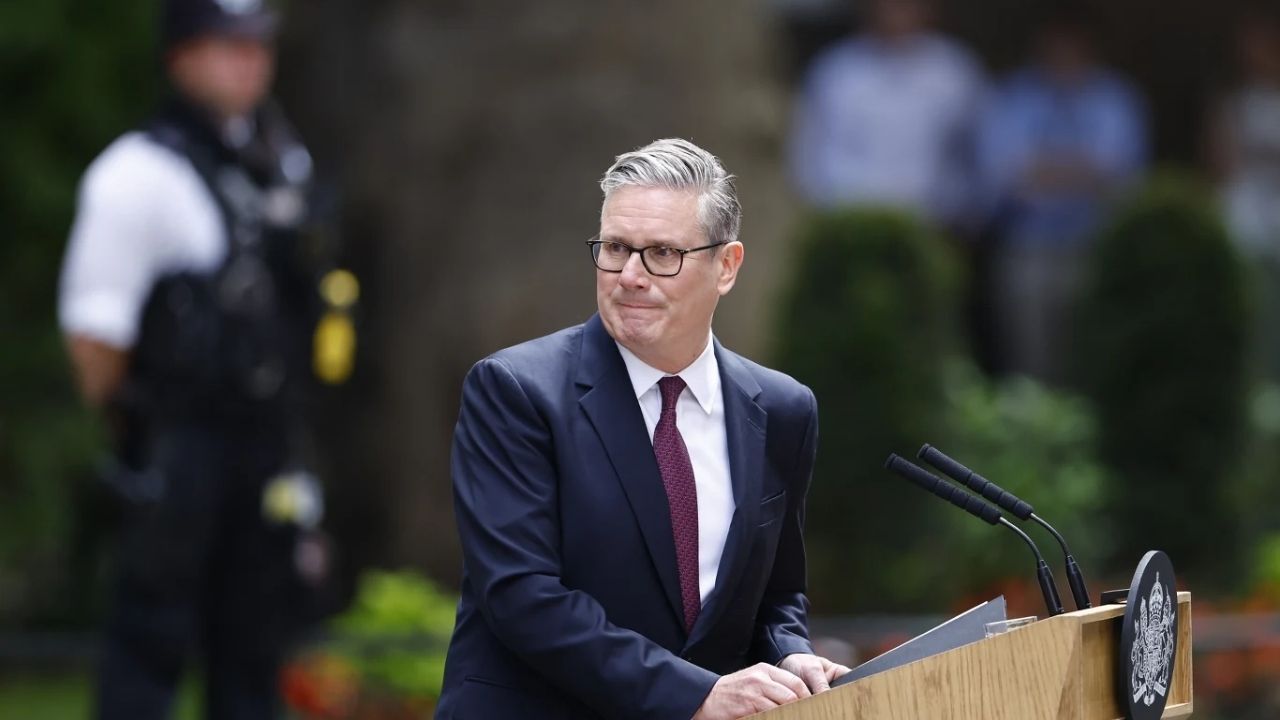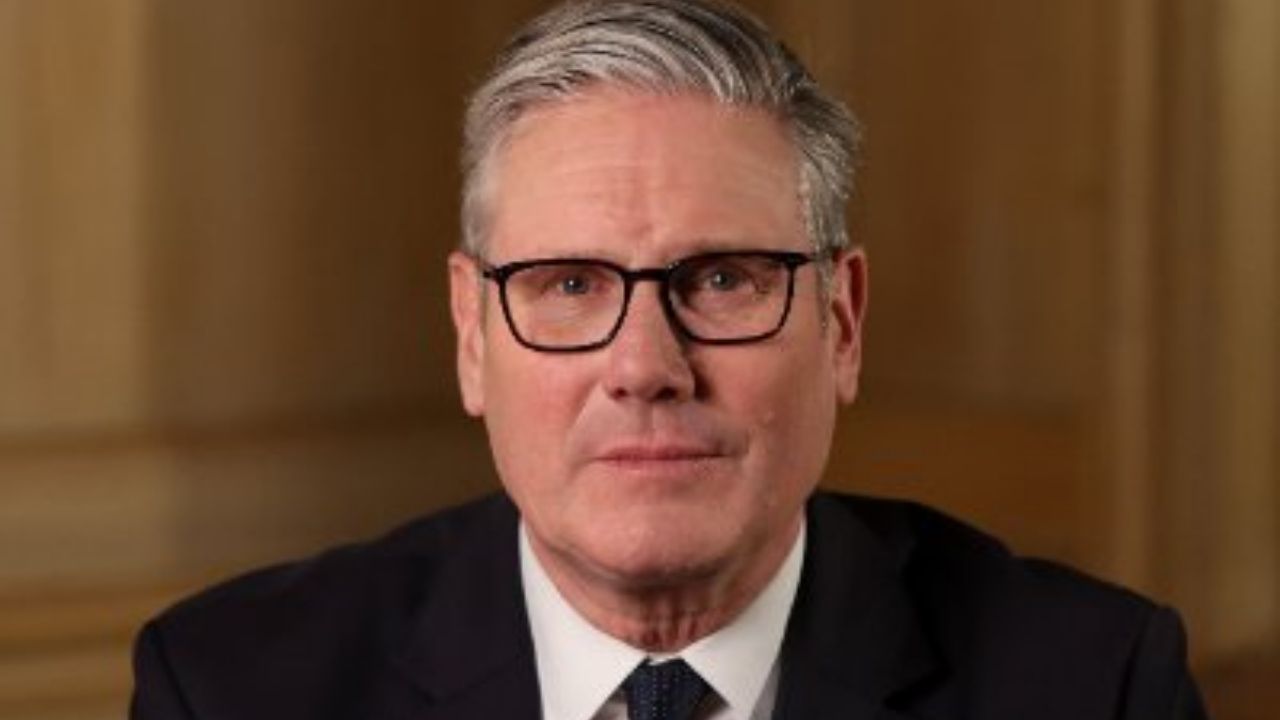
Premier Wielkiej Brytanii Keir Starmer ogłosił dziś ambitną i kontrowersyjną inicjatywę: całkowity zakaz dostępu do mediów społecznościowych dla dzieci poniżej 16. roku życia. In a video published on platform X, the Prime Minister stated explicitly:
„Dzieci żyją dziś w świecie, w którym technologia wdziera się w każdy aspekt ich życia. Nie mogę na to pozwolić. Oddajemy im dzieciństwo z powrotem.”
Decyzja zapada po szeroko zakrojonych konsultacjach rządowych, w których ogromną większość głosów (nawet 90%) stanowili rodzice domagający się ochrony. Wielka Brytania idzie śladem Australii, która jako pierwsza wprowadziła podobny zakaz pod koniec 2025 roku. Brytyjski wariant określany jest nieoficjalnie jako „Australia plus”.
What exactly does a new ban mean?
- The prohibition will include główne platformy: TikTok, Instagram, Snapchat, Facebook, X (Twitter), YouTube oraz inne aplikacje uznane za „wysokiego ryzyka”.
- Additional restrictions on "safer" platforms: ban on disappearing messages, livestreams and contact with strangers.
- Requirement effective age verification – which in practice means the need to implement age verification systems (probably using digital ID or biometry).
- Planned implementation: Spring 2027.
The government underlines that the aim is to fight addiction, harmful content, grooming, cyber-violence and mental health crisis among youth. Starmer had previously met with parents of victims of social media-related tragedies, which reinforced his determination.
Arguments for
- Strong public support, especially among parents.
- Scientific evidence on the negative effects of excessive social media use (sleep disturbances, anxiety, depression, body image disorder).
- Protection against exposure to extreme content, pornography and dangerous challenges.
- Australian precedent as a benchmark.
Controversy and criticism
Despite good intentions, the decision raises many doubts:
- Hypocrisis of the Age: A 16-year-old will be able to vote in elections and join the army but not use Instagram?
- Digital ID through the back door: Many commentators (including privacy experts) warn that effective age verification for all users will de facto lead to an online digital identification system.
- Selective Approach: Critics indicate that platforms such as Bluesky seem to be overlooked in the discussion, which raises questions about political bias.
- Efficacy: Experience from Australia shows that children quickly circumvent bans using VPNs and fake accounts.
- Freedom and education: YouTube is often used for learning (e.g. preparation for GCSE exams). A total ban may restrict access to valuable content.
Broader context
The announcement comes when Keir Starmer fights to maintain the Prime Minister's position. For many, this is an attempt to win a "fast victory" in an area that enjoys social support. At the same time, the White House (the Trump administration) expressed opposition to similar regulations, defending the interests of American technological giants.
What's next?
The government now has several months to work out the legislative details. It will be crucial to build an age verification system that will be effective at the same time, protecting privacy and not discriminating smaller platforms.
Is the ban on social media for minors a real protection of children, or is it the beginning of an era of controlled and verified internet? Should parents have the right to decide for themselves whether the State must intervene?
Let me know in the comments.