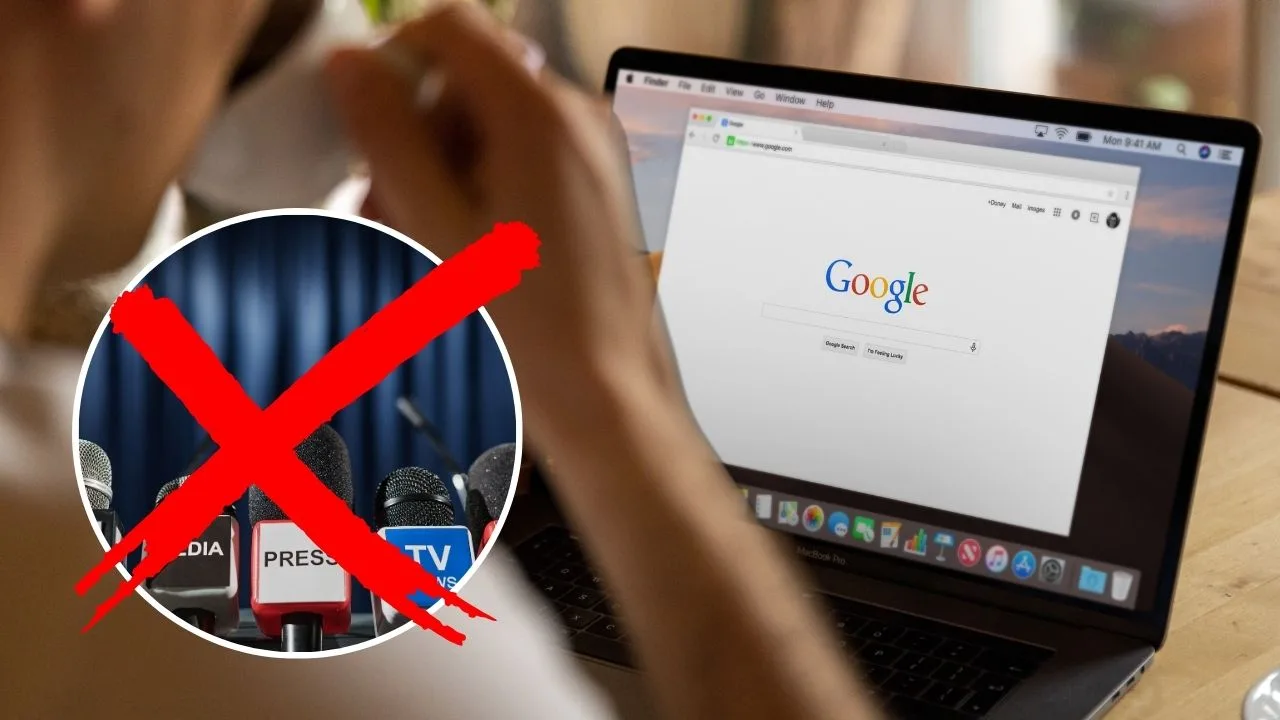
British press giant Reach is cutting about 220 editorial positions. The reason is simple and brutal: Google has stopped sending people to its sites. Search traffic fell by 46 percent year on year.
Who is affected?
Reach is one of the largest publishers in the UK. Its stable includes the „Daily Mirror”, „Daily Express”, „Daily Star”, „Daily Record”, „Manchester Evening News”, „Birmingham Mail” and „Liverpool Echo”, among others. In total, more than 120 brands.
After the cuts, the company wants to open more than 60 new roles focused on subscriptions and longer video. Overall, about 160 positions will still be lost. In addition, three local services are being closed: KentLive, AberdeenLive and GalwayBeo.
Why has Google stopped feeding the media?
David Higgerson, Reach’s content chief, wrote to staff that the company is in the middle of a fundamental change in how people consume journalism.
The key is AI Overviews and AI Mode in Google. The search engine itself displays a summary of the answer above the results. The user gets the content and does not click through to the article. The publisher is left with the cost of production and no visits.
In the first quarter of 2026, Reach’s digital revenue fell by 8.1 percent. Earlier results showed an even sharper drop in referrals from Google.
The end of the „more articles, more clicks” era
Higgerson announced a change of model: less content for volume, more original journalism and strong brands. In other words, the model of „churn out an avalanche of content for Google” has collapsed.
This is not just a problem for one British company. Publishers around the world are saying the same thing: AI is eating clicks, programmatic advertising is weakening, and Google is not returning traffic the way it once did.