

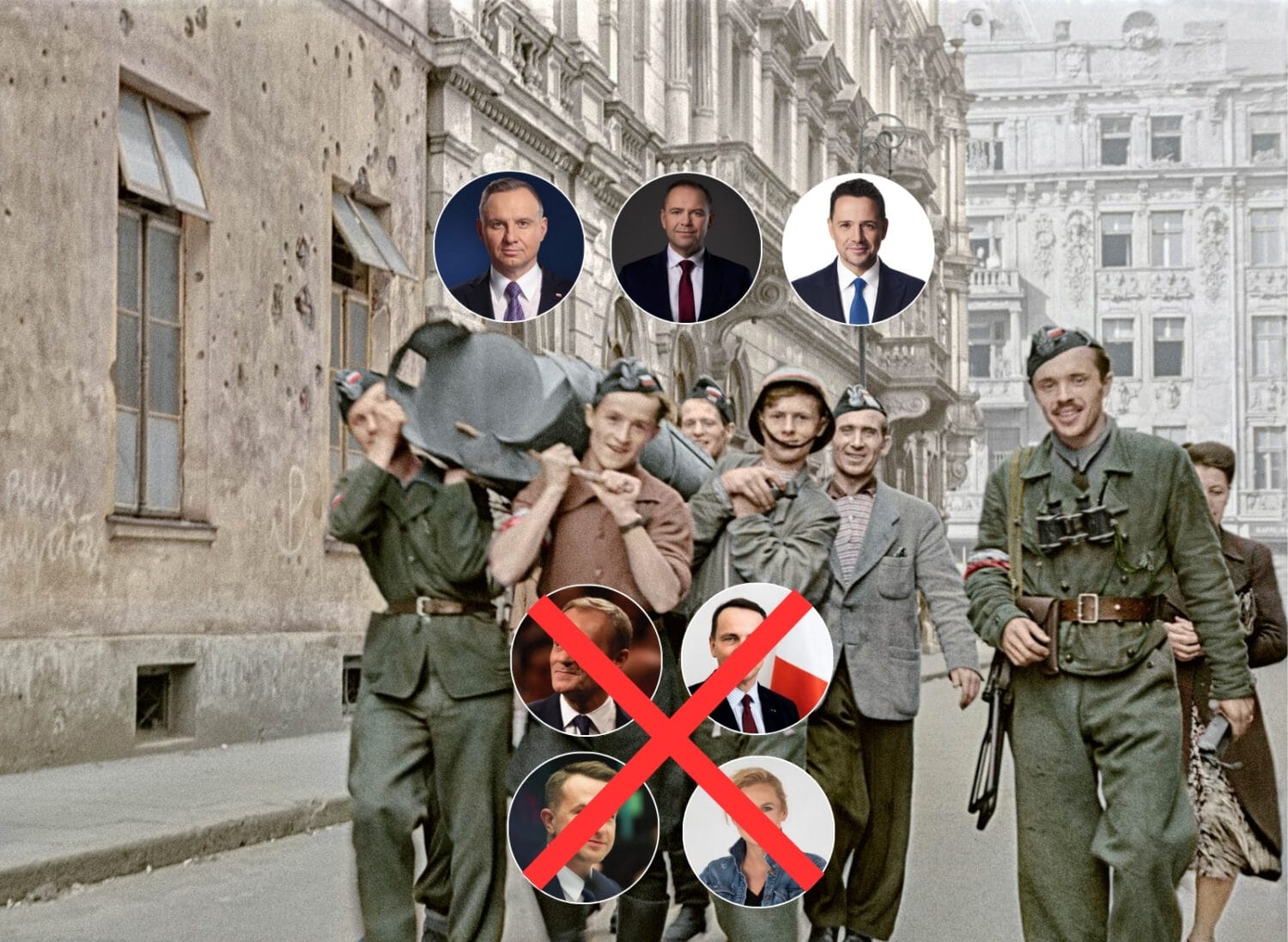
The absence of key government politicians from the 81st anniversary of the Warsaw Uprising surprised many Poles. Are the state elites neglecting events so important to society?
Where were the most important government politicians?
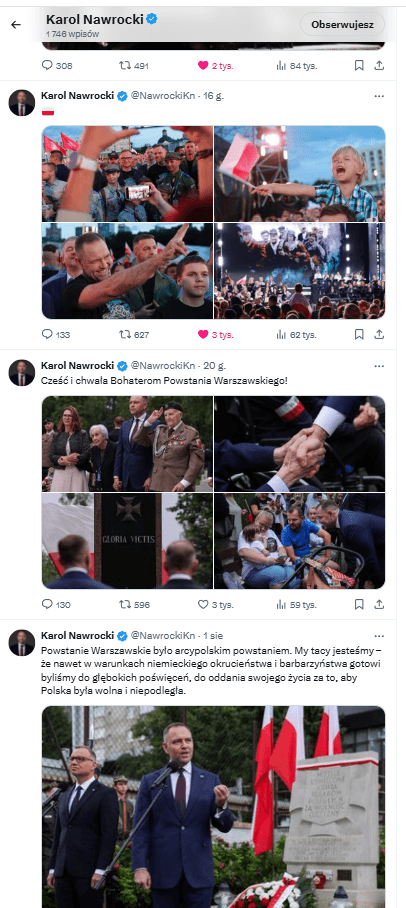
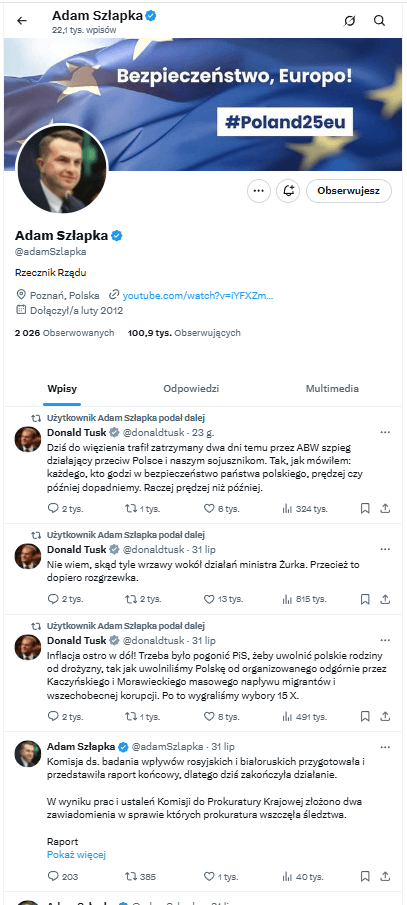
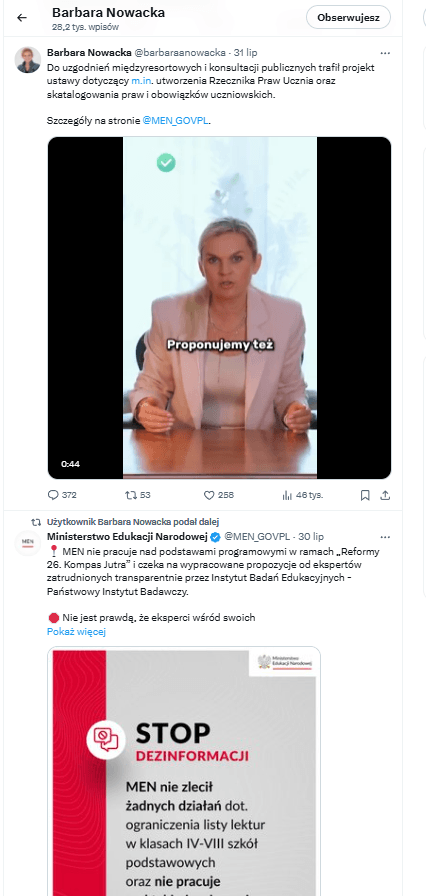
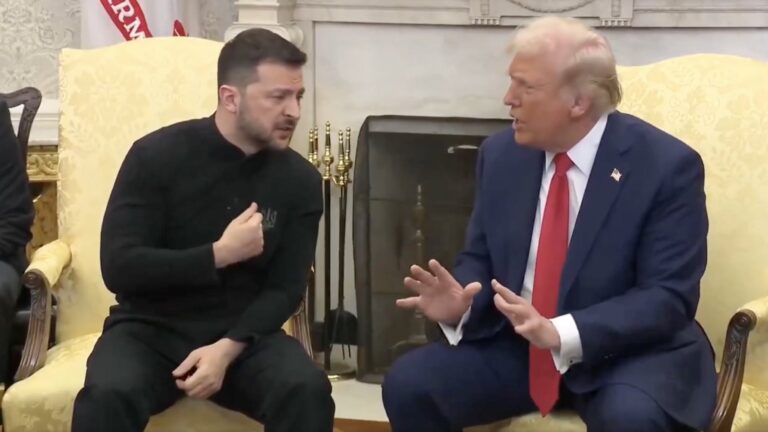
Among those who neither spoke nor appeared publicly at the anniversary commemorations were: Donald Tusk (prime minister), Radosław Sikorski (minister of foreign affairs), Adam Szłapka (government spokesperson) and Barbara Nowacka (minister of education). On social media, there are no posts from them related to the commemorations, and no presence was recorded at any of the main events honoring the Uprising.
Why does it matter?
The Warsaw Uprising is a synonym of Polish heroism and the fight for freedom – not only for the generation of participants, but also for contemporary Poland. Many have seen the lack of response from the most senior government representatives as a sign of disrespect for history and national memory.
"W Hour" without the ruling elite
On 1 August at 5:00 p.m., Warsaw came to a standstill – sirens sounded and thousands of people walked through the city streets.
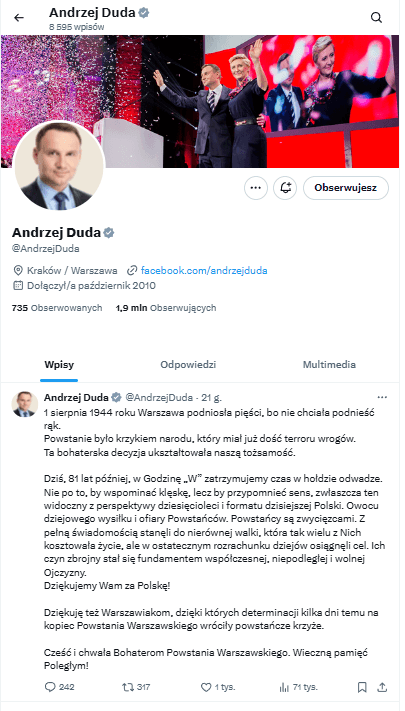
- President Andrzej Duda and President-elect Karol Nawrocki were present during the ceremony, jointly paying tribute to the heroes.
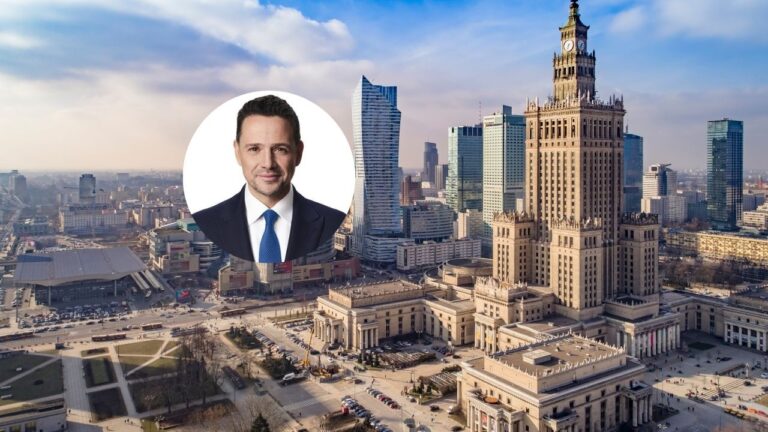
- Warsaw Mayor Rafał Trzaskowski also took part in the commemorations and delivered a moving speech, stressing the value of historical memory for future generations.
Who truly honored the insurgents?
It is worth noting that:
- Rafał Trzaskowski was one of the few politicians from the ruling camp present at the ceremony and did not shy away from difficult topics related to remembering the Uprising.
- Hundreds of thousands of Poles across the country marked the “W Hour” – not only in Warsaw – paying tribute to the fallen and expressing their attachment to history.
An exceptional initiative beyond the country's borders
The Confederation, led by Sławomir Mentzen, organized an action in Berlin, reminding Germans of the 200,000 victims and of the destroyed Warsaw during the Uprising – the initiative resonated widely and showed that historical memory also has an international dimension.
Why do politicians need historical memory?
The lack of gestures from Donald Tusk, Adam Szłapka, Radosław Sikorski or Barbara Nowacka on such a symbolic day raises questions about the priorities of today’s political class. Their absence from the commemorations can be compared to a student who does not show up for the most important exam – even if they have a good excuse, teachers and observers are left with a sense of distaste.
What next for political memory?
Responsibility for shaping national memory rests primarily with those who influence young generations and the shape of society – that is, with state leaders. Avoiding difficult topics does not build authority. The example of Rafał Trzaskowski and Presidents Andrzej Duda and Karol Nawrocki shows that it is worth staying close to history – not only at important moments, but also in everyday practice.
When politicians fall silent, history begins to speak for itself. But are those who should be listening always the ones who do?
Donald Tusk
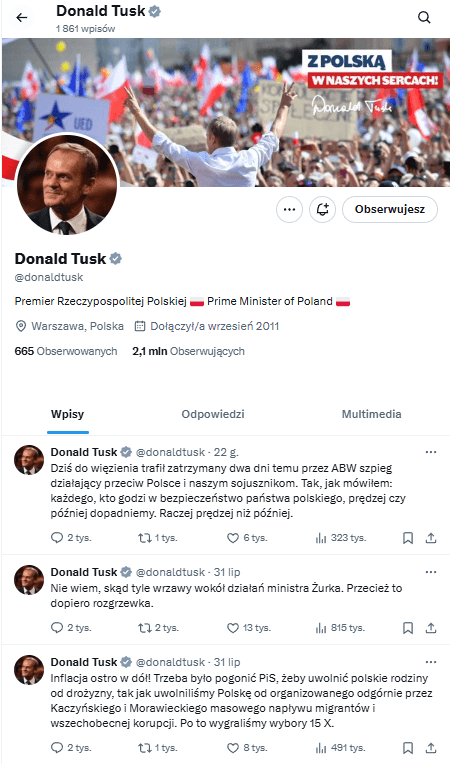
Radosław Sikorski
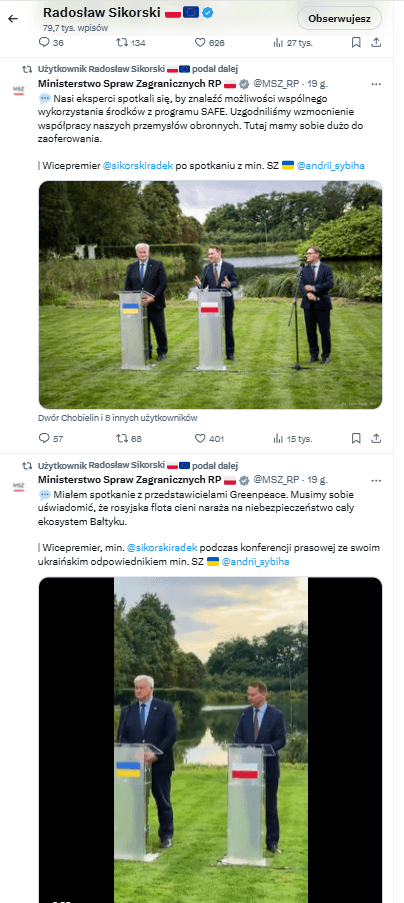
Rafał Trzaskowski
Karol Nawrocki
Adam Szłapka
Andrzej Duda
Barbara Nowacka

Komentarze