The updated draft amendment to the Rail Fund Act proposes that from 1 July 2027, part of the revenue from the fuel fee will go to the state budget. The authors claim that the total of excise duty and the fee will not change.
The draft amendment to the Rail Fund Act and certain other laws was updated on Thursday, 29 October, on the website of the Government Legislation Centre. As money.pl reports, the first version of the document appeared in February 2026. At that time, the provisions were planned to take effect at the start of 2027.
New deadlines and division of revenue
According to the latest version, the law is to take effect on 1 July 2027. Transitional provisions are to apply until the end of 2027, and the main change, namely a larger share for rail, is to take effect on 1 January 2028.
Currently, the fuel fee is divided as follows:
- Rail Fund: 19.45%,
- National Road Fund: 76.9%,
- Bus Transport Development Fund: 3.65%.
In the transitional period, from 1 July to 31 December 2027, the division is to look different:
- National Road Fund: 47.75%,
- Rail Fund: 12%,
- Bus Transport Development Fund: 2.25%,
- state budget revenue: 38%.
The state budget has so far not received money directly from the fuel fee. During this period, the share of all three funds will therefore be lower than it is now. Money.pl calls this a „tax”. This is the opinion of the portal’s author, not a term used in the draft.
More for rail from 2028
From 1 January 2028, the budget’s share is to disappear. The Rail Fund would then receive 50% of the revenue, the National Road Fund 47.75%, and the bus fund 2.25%. As Gazeta Prawna writes, this division has drawn opposition from part of the road sector. Its representatives believe it signals a departure from the idea of the 2004 fuel fee, when most of the revenue went to roads.
Money.pl writes that the Rail Fund is to become the main domestic source of financing for the National Rail Programme until 2030. The main beneficiary would be PKP PLK. The Central Communication Port, which is to build the high-speed rail line, is also seeking the fund’s resources.
What it means for drivers
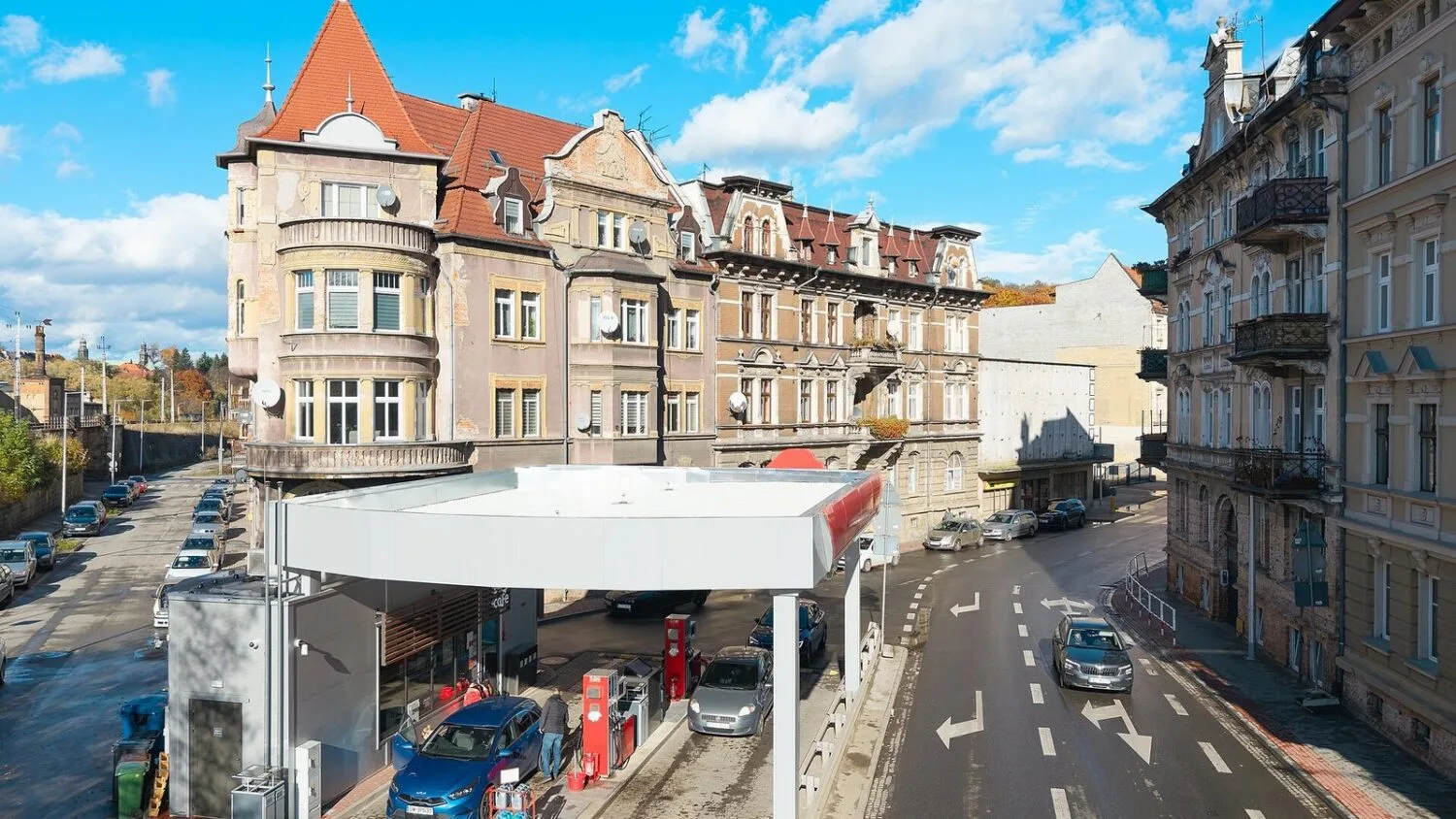
According to the authors of the draft, the total of excise duty and the fuel fee rates is to remain at its current level. This is meant to ensure that the changes are neutral for fuel prices and inflation. The fee is legally paid, among others, by fuel producers and importers, so the change in how the money is divided does not directly affect prices at petrol stations. Prices could rise only if the rates were increased. The draft does not provide for this.
The change concerns who receives the money, not how much drivers pay. During the transitional period, less will go to national roads and buses, and in 2027 part of the revenue will feed the budget. As of publication, it has not been specified how many billion zlotys the 38% share represents. The draft is at the legislative stage, so the deadlines and proportions may still change.