MEP Robert Biedroń, co-leader of the Left, published a post sharply criticising controversial patostreamer Daniel Magical. The post compared Magical’s streams to scenes from the film “Dom zły”.
Who is Daniel Magical?
Daniel Zwierzyński, known online as Daniel Magical, is one of the most controversial figures on the Polish internet. The 30-year-old streamer from Toruń gained fame through patostreams – live broadcasts featuring pathological behaviour such as alcohol and drug abuse, verbal and physical violence, and even public endorsement of terrorist acts. His content is often highly controversial.
Magical has repeatedly run into trouble with the law. In 2019 he was jailed for assault, and in 2020 he was convicted of publicly endorsing a terrorist attack. After his release in 2023, he continued his activity, which led to further arrests. In March 2025 he accused his former manager and family of theft, which only fueled the controversy surrounding him. His streams are criticised for promoting violence and pathology, which experts say may have a negative impact on the younger generation. He currently appears on streams with Natalia Nati Magical (Natalia Kowalczyk).
Biedroń’s post and the comparison to “Dom zły”
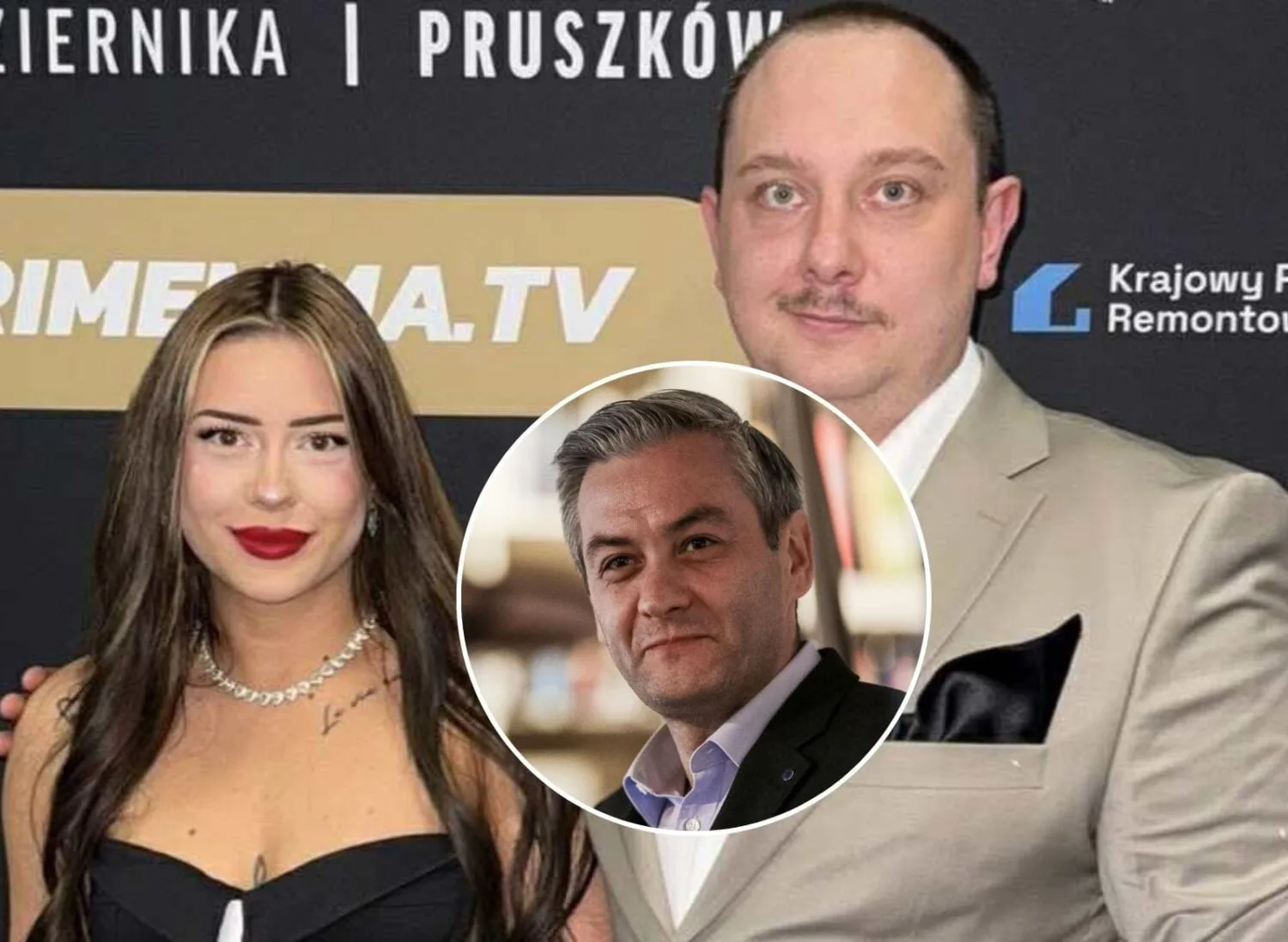
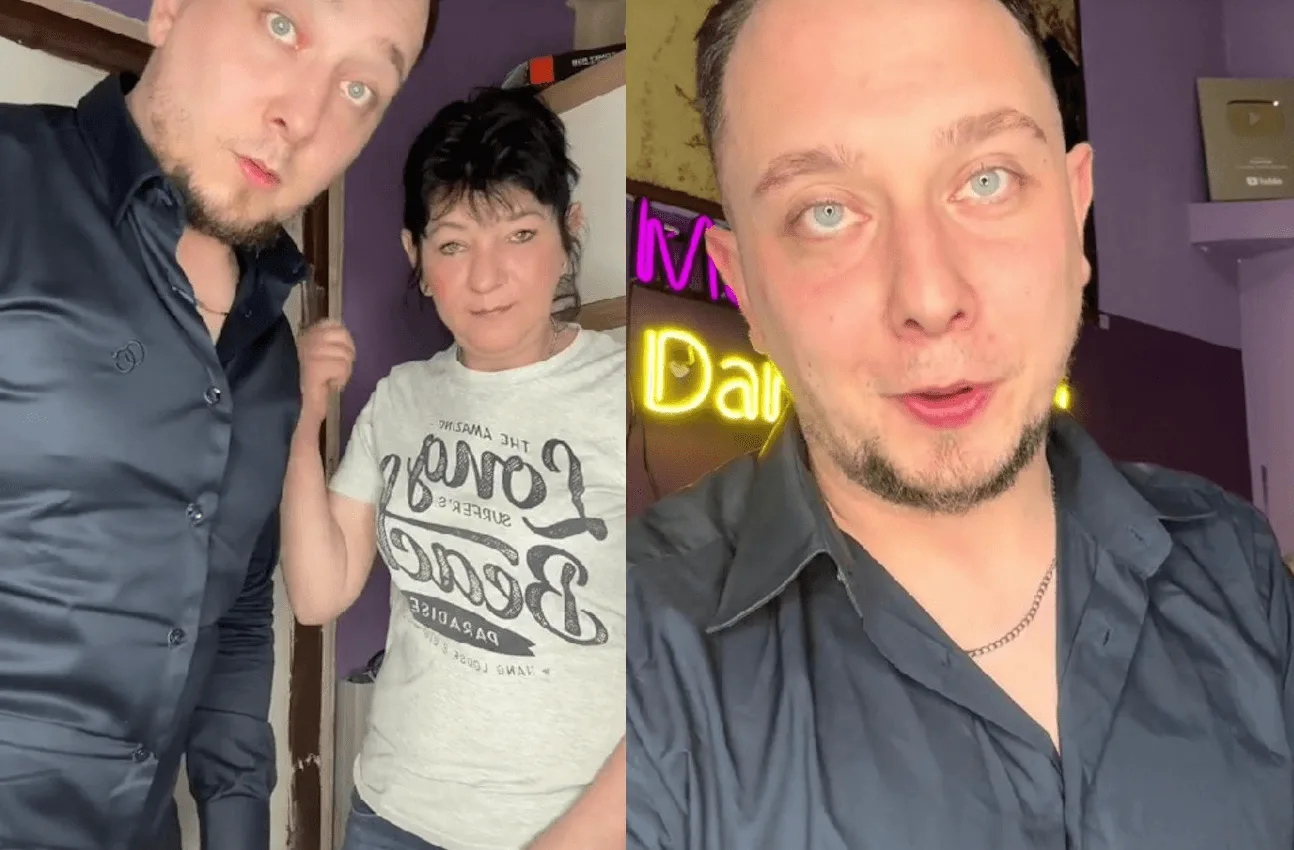
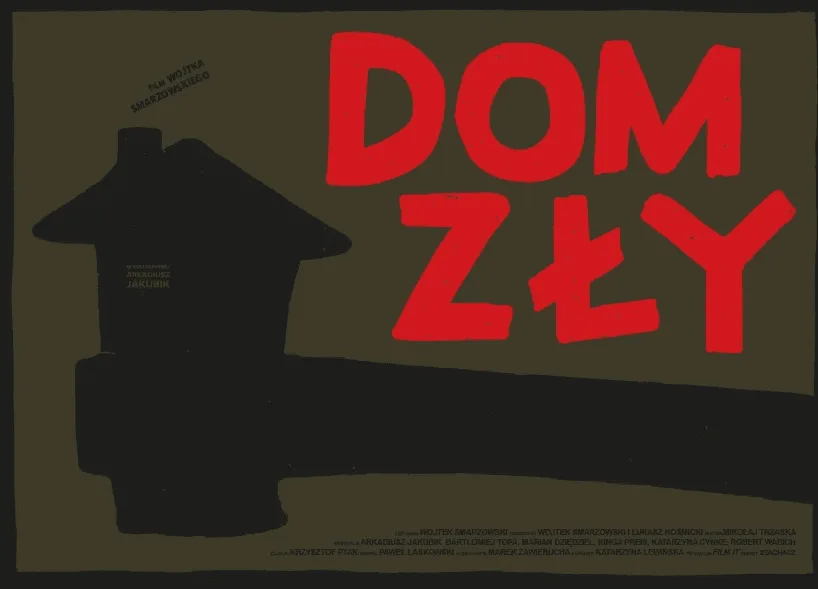
In a post from 2 December 2025, Biedroń wrote: “Daniel Magical is a pathology we cannot pass by indifferently. His streams eerily resemble scenes from the film „Dom Dobry”. Violence spills off the screen. Either people stop promoting it, or an entire new generation will be contaminated by such content.” The post included a photo made of two images: the top one shows Magical with his partner at the PRIME MMA TV gala in Pruszków on 11 October, and the bottom one is a still from “Dom zły” by Wojciech Smarzowski.
“Dom zły” from 2009 is a dark drama depicting a dysfunctional family marked by domestic violence, alcoholism and tragedy. Director Wojciech Smarzowski is known for his uncompromising portrayal of Polish social pathologies. According to Biedroń, comparing Magical’s streams to this work highlights the scale of the problem – the streamer’s content is like cinematic fiction, but unfolding live.
Online reactions: accusations of hypocrisy
Biedroń’s post quickly drew many reactions and comments, but not all were positive. Many users reminded the politician of his own past involving domestic violence. In 2000, Biedroń’s mother, Helena, accused him of abusing her and his younger brother, which led to charges being brought by the prosecutor’s office. The case was discontinued, and in 2019, during Biedroń’s election campaign, the two of them issued a statement assuring that no acts of violence had ever occurred between them. According to their version, the only perpetrator of family violence was Biedroń’s father, and the accusations stemmed from family conflicts.
Nevertheless, comments under the post included remarks such as “You beat your own mother, so you are the worst kind of scum there is” and a parody of the post: “Robert Biedroń is a pathology…”. Users accused the politician of hypocrisy, pointing to similarities between his history and Magical’s content. Others defended Biedroń, arguing that his past does not diminish the validity of criticism directed at patostreamers.
The impact of patostreams on society
The controversy around Biedroń’s post highlights a broader problem: the influence of toxic online content on young people. Patostreamers such as Magical attract viewers with sensationalism, but their broadcasts may normalise violence and pathology. Experts call for greater regulation of streaming platforms to prevent such material from spreading. Will Biedroń’s post bring about change? Time will tell, but the discussion already shows how social media is linking politics with internet culture.
Biedroń’s post, though controversial, opens an important debate on the limits of free speech online and responsibility for the content promoted. In an era when anyone can be a streamer, the line between entertainment and pathology is becoming ever thinner.