

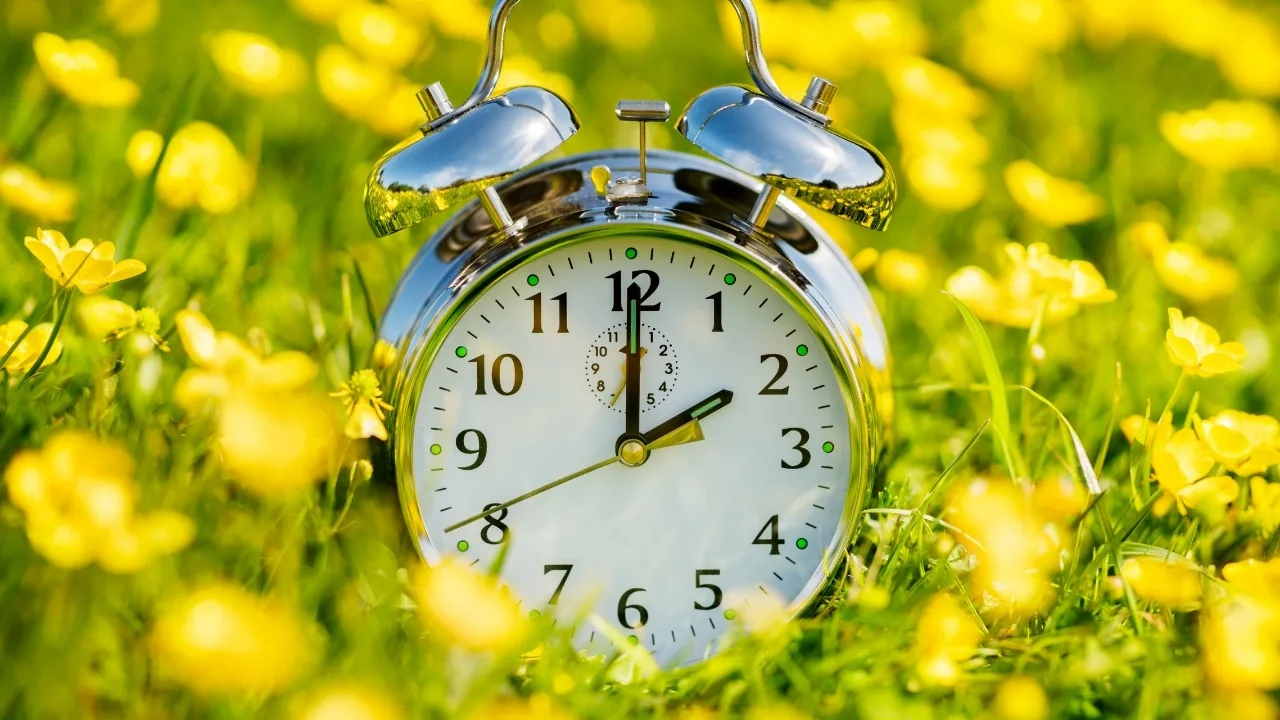
In the night of Saturday 24 to Sunday 25 October, summer time ends. At 3:00 the clocks will be turned back to 2:00, so the night will last an hour longer.
Most phones, computers and smartphones will switch over automatically. Watches, wall clocks, car clocks, ovens and microwaves will need to be adjusted by hand. The easiest time to do this is before going to bed or on Sunday morning.
Why the date is 25 October
The date is set by EU law. Under Directive 2000/84/EC, summer time ends on the last Sunday of October and begins on the last Sunday of March. In 2026 the last Sunday of October falls on 25 October, the same day the change would have fallen in previous years under the same rule, simply because of how the calendar falls. As Polsat News points out, this year’s date is one of the earliest possible.
Summer time will return in the night of 27 to 28 March 2027, when the clocks move forward from 2:00 to 3:00. This rhythm has applied in Poland without a break since 1977, although the rules for when it ends have changed: until 1995, summer time ended on the last Sunday of September.
What about scrapping the time change
In 2019 the European Parliament voted in favour of ending the seasonal change of time, but member states did not agree on a common position, so the rules did not change. As we wrote in our article on the future of clock changes in the EU, the European Commission is studying the effects of abolishing the change, but no decision to scrap it has been made. As long as the directive remains in force, Poland must apply two clock changes a year.
Abolishing the change would require a joint decision across the EU, because countries in the same time zone should move to the same time. Poland has previously said it wants to stay in step with its neighbours, so going it alone is not an option.
What it means for readers
- Longer night: on the night the clocks change, the day lasts 25 hours, so on Sunday we will sleep an extra hour.
- Earlier sunset: it will be lighter from Sunday morning, but it will get dark sooner in the evening. Drivers should expect to be driving after dark during the afternoon rush hour.
- Shift work: people working the night from Saturday to Sunday will work one hour longer. The rules for paying such a shift should be set out in the employer’s work regulations or collective agreement, so it is worth asking the HR department.
- Transport: train timetables and night connections take the change into account, and carriers usually announce any stops at stations so that departure times can be adjusted.
We wrote about the previous change, to summer time, in March. Then the night was an hour shorter; now we are getting that hour back.