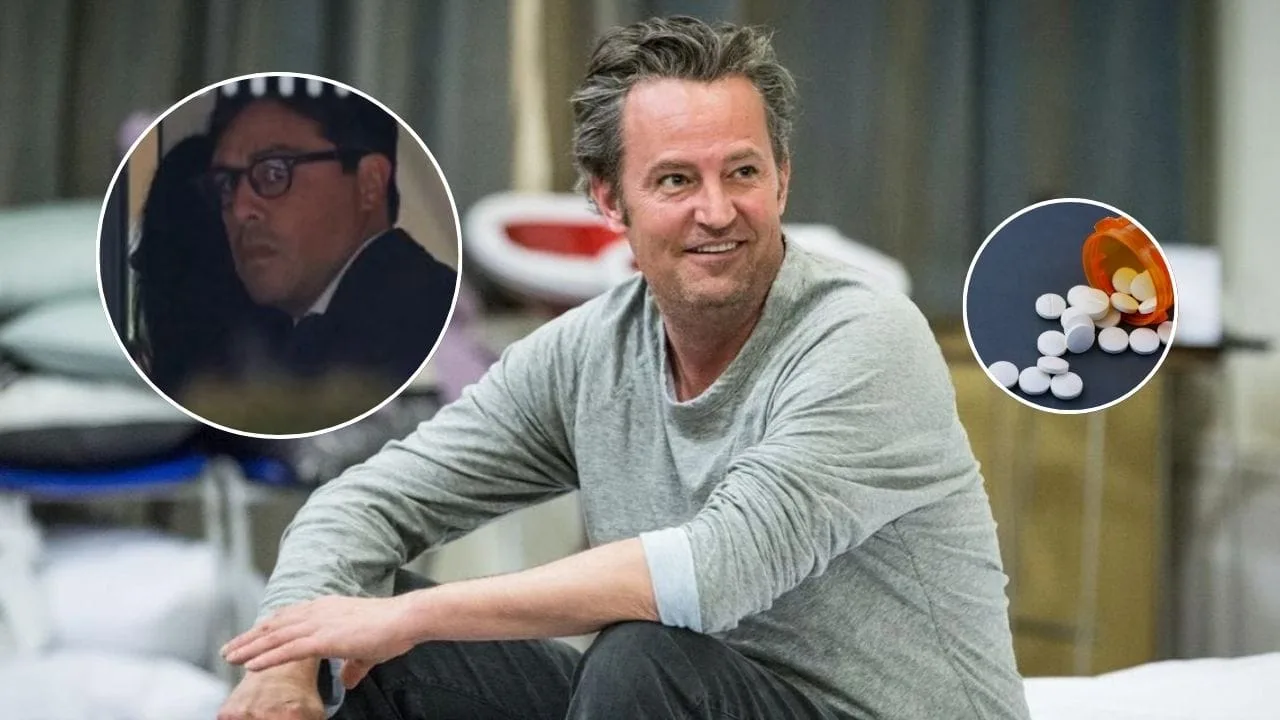
Matthew Perry was an actor known around the world for his role as Chandler Bing in the series „Friends”. For most of his life he struggled with addiction, and his problems began even before the show’s success.
Perry first experimented with alcohol as a teenager, and his addiction deepened during his career in Hollywood. The turning point came with a jet ski accident in 1997, after which Perry became dependent on painkillers, especially Vicodin. He quickly fell into an advanced form of addiction to alcohol and opioids, which he wrote about openly in his autobiography.
Despite numerous treatment attempts, including as many as 15 stints in rehab and attendance at thousands of support group meetings, Perry repeatedly relapsed. In 2023 he again became addicted, this time to ketamine, which he initially used as part of therapy for depression and anxiety. Soon, however, the doses became dangerously high, and Perry began looking for new sources of the drug when doctors refused to increase his dose.
Who is responsible for Perry’s death?
Matthew Perry died as a result of acute ketamine effects, combined with drowning, coronary artery disease and the action of buprenorphine, a drug used in treating opioid addiction. The death was ruled an accident, and Perry was receiving ketamine illegally, which became the subject of a widely discussed investigation and trial. The tragedy took on a new dimension in early July 2025, when a federal investigation led to the indictment and prosecution of several people, including two doctors and Perry’s assistant, who were alleged to have contributed to his death by illegally supplying ketamine.
Dr Salvador Plasencia is the doctor who pleaded guilty to illegally distributing ketamine to Matthew Perry in the months preceding his death. A federal court in Los Angeles accepted his guilty plea to four counts related to distributing the substance. Plasencia also admitted he was aware of Perry’s vulnerability to addiction, yet he continued prescribing him medication, as did the actor’s assistant. In exchange for the guilty plea, his sentence could be reduced, but he faces up to 40 years in prison, although the sentence will most likely be much milder, especially since he was not the one who sold Perry the fatal dose. The doctor himself declared a surrender of his right to practice medicine.