

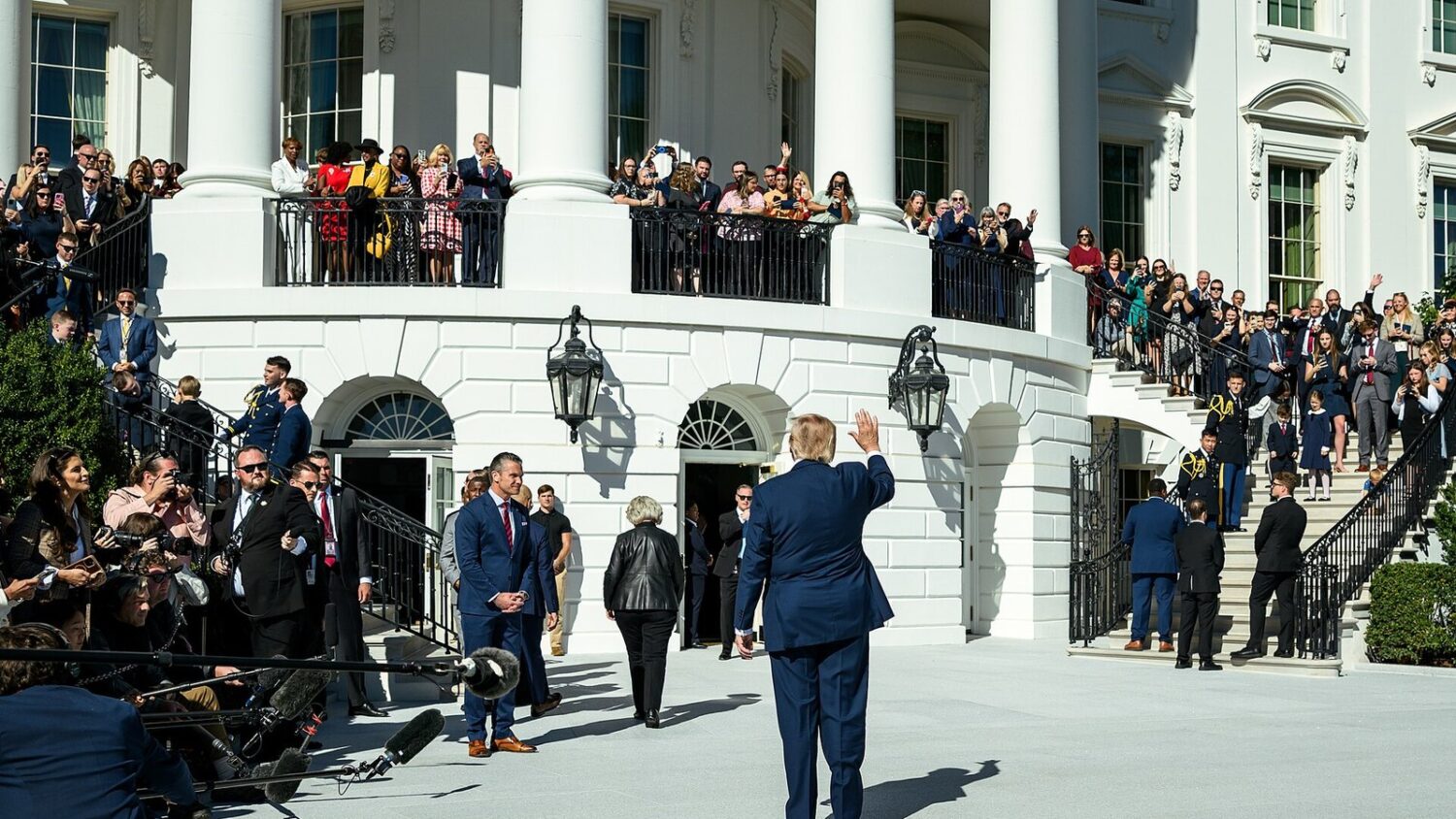
US President Donald Trump has suspended the enforcement of many sanctions, restrictions and tariffs on Russia that were due to take effect under a law signed in September. Citing Reuters, he announced the decision on Friday, October 16, in a decree published by the White House.
In the decree, Trump wrote that he had submitted a certification to Congress stating that issuing such a waiver “at this time” is in the national interest of the United States. Reuters quotes the statement, and the legal basis is Section 115 of the law, which gives the president the authority to grant such waivers.
What the law provided
The law is the Lindsey O. Graham Sanctioning Russia and Iran Act of 2026. Trump signed it on September 18. Its main champion in Congress was Senator Lindsey Graham, whom Reuters describes as late.
According to Reuters, the provisions called for tariffs of up to 100 percent on all goods entering the US from the five largest importers of Russian oil or gas. Such tariffs were also to apply to countries that knowingly bought these commodities after 30 days from the law’s entry into force, and to the five countries most actively helping Russia evade sanctions. The restrictions were to take effect on October 18.
Political context
Reuters notes that the decree came at a time when Trump is softening his tone toward Russia while publicly criticising Ukrainian President Volodymyr Zelensky, including suggesting that Ukraine needs a new leader. Countries that are major buyers of Russian oil, such as India, had raised objections to the law.
Available reports indicate that the waiver covers “many”, but not all, sanctions and tariffs. The exact scope, meaning which provisions are suspended and which remain in force, requires comparison with the full text of the decree on the White House website. It is also unclear how long the waiver will last.
What it means
For Ukraine and Europe, the decision means that the planned economic pressure on Russia and its buyers of commodities will not work in the intended form from October 18. For importers of Russian oil, including India, the threat of tariffs of up to 100 percent on their exports to the US is receding. At the time of publication, we did not know how Kyiv or Brussels had reacted to the decree itself.
Sources include a Reuters dispatch and a BBC report, which describes the decision as recognising that part of the law runs counter to US national interests.



Komentarze