

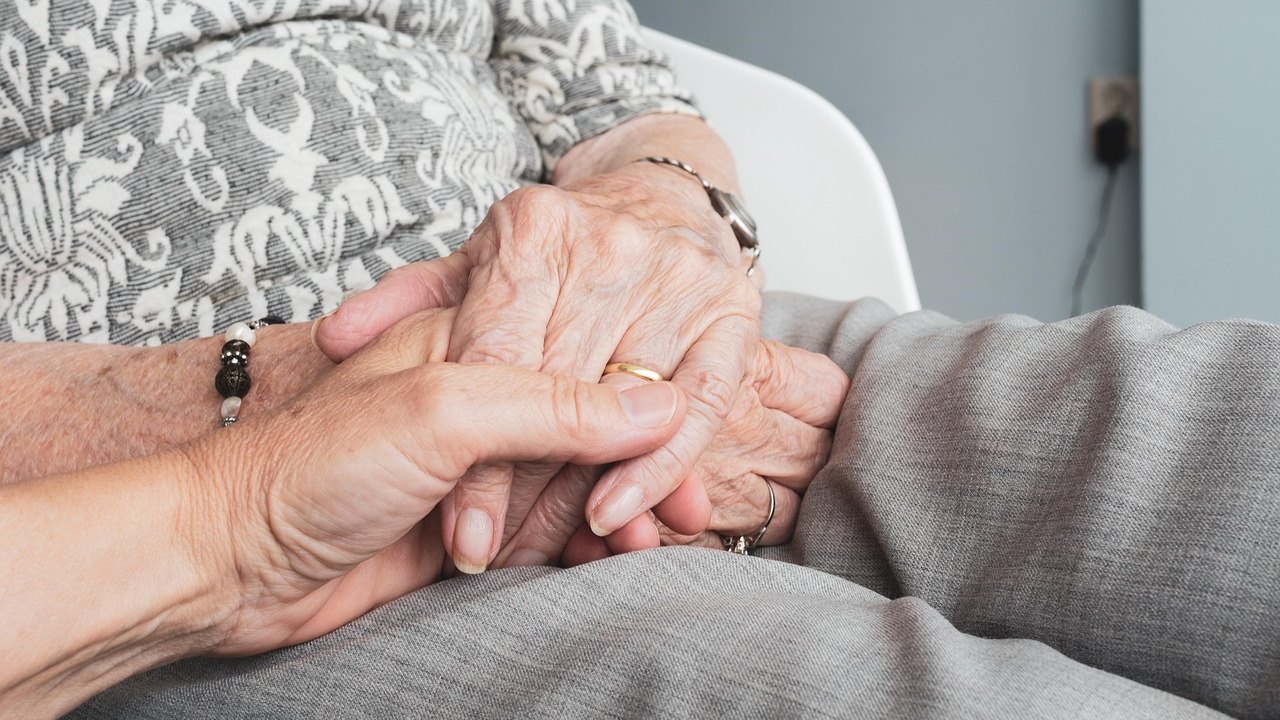
The senior voucher (bon senioralny), worth up to PLN 2,500 a month for free care services at home, applies from 30 September. The money does not go to the senior directly – the commune (gmina) organises the help, and the decision depends on age 65+, income and needs.
The rules of the programme are set out in the regulation of the Council of Ministers of 29 September 2026 on the Senior Voucher Programme for 2026–2028 (Journal of Laws, item 1277). It was issued on the basis of the act of 11 June 2026 on older persons and the coordination of long-term care.
How the voucher works and how much it is worth
Under the regulation, the senior voucher is a benefit in the form of support services provided under an agreement for a person who has turned 65. The services are organised by the commune from funds allocated to the programme, and the senior pays no fees for them. The voucher is granted by concluding an agreement between the senior and the commune.
The PLN 2,500 figure is the maximum monthly value of services, not a bank transfer. According to media reports, the value results from an hourly rate set by the voivode (no higher than PLN 48) and the number of hours specified in the agreement – roughly 50 hours a month. The help covers, among other things, shopping, meal preparation, personal hygiene, washing and dressing. The commune matches the scope and number of hours to the level of the senior’s unmet needs.
Who can receive support
Besides age, there is an income criterion: average monthly income over the three months before the application is submitted may not exceed PLN 3,410. As Bankier.pl reports, citing the Chancellery of the Prime Minister (KPRM), the threshold is more than three times higher than in social welfare. The senior must also need help with basic daily activities. The voucher is not a medical benefit and does not replace medical or nursing care.
How to apply
The application is submitted to the commune. It has 30 days from receiving a complete application to assess the senior’s situation and may carry out a home environment interview (wywiad środowiskowy). Communes keep a list of qualified persons and update it every month. Agreements are concluded first with people with the highest level of unmet needs, and where the level is the same, the older senior takes priority. The application must include, among other things, the PESEL number, address, needs, and documentation of income from the last three months.
Not every commune right away
The programme is being introduced in stages. At first it covers communes without public care services, then those where fewer than 10 people use them. According to estimates from the Senior Policy Department of the KPRM, cited by Bankier.pl, this is about 45% of communes. For the first edition the government is allocating nearly PLN 1 billion; for local governments this is a delegated task financed from the state budget.
In the fourth quarter of 2026, more than 18,000 people may receive the voucher – according to applications submitted by local governments, as reported by Marzena Okła-Drewnowicz, Secretary of State at the KPRM.
What it means for seniors and families
The first step is to check at the commune office or the social welfare centre (ośrodek pomocy społecznej) whether the commune already participates in the programme and accepts applications. It is worth preparing certificates of income from the last three months: pensions, disability benefits, and supplements all count toward the PLN 3,410 limit. The family does not need to apply for help and does not need to be unemployed – the act does not make the voucher dependent on the professional activity of relatives. The senior will not receive cash, so the voucher cannot be used for bills or medicines. Because the funds for 2026 cover only the last quarter, the actual period of use this year may be short and will depend on how quickly the commune works.




Komentarze