
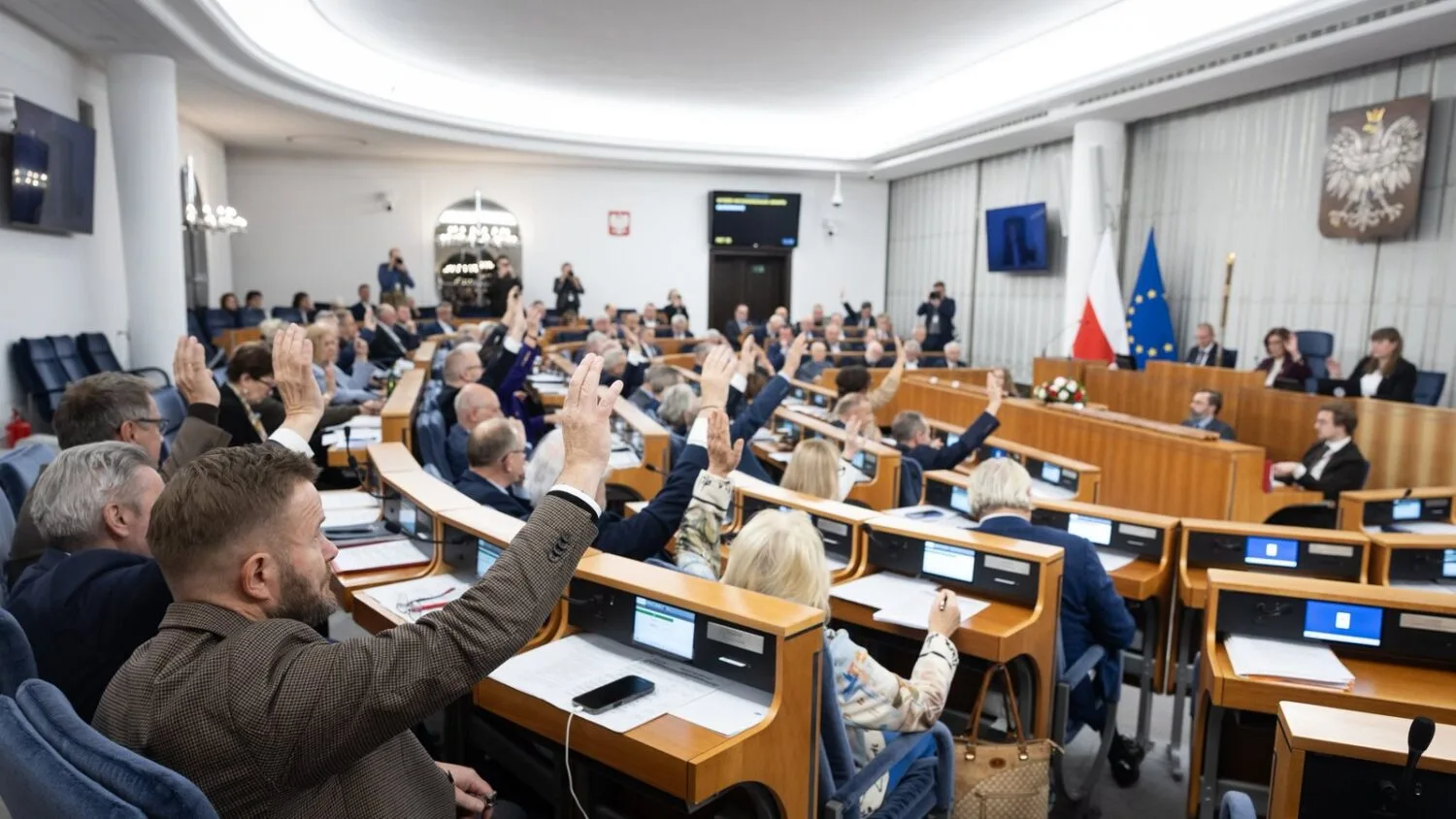
On Friday, 6 November, the Senate backed the amendment to the Act on Upbringing in Sobriety, but introduced changes to it. One of them, passed by a single vote, allows advertising of 0% beer; the rules are to take effect on 1 June 2027.
The Senate announced the changes after the close of its 68th sitting. The chamber clarified the definition of alcohol promotion and the rules on sponsorship of associations, clubs and sporting events. After the Senate’s amendments, the rules are to take effect on 1 June 2027.
The Senate described the amendment as a law introducing night-time prohibition, a ban on alcohol advertising and higher fees for its sale.
The Senate clarified the definition of alcohol promotion and the provisions on sponsorship of associations, clubs and sporting events.
One vote for advertising 0% beer
The most contested amendment allows advertising of non-alcoholic beer. According to reports from the sitting, it passed by 46 votes to 45. Opposing it were, among others, the Ministry of Health and the GrowSPACE Foundation. A representative of the ministry said in committees that such amendments are „of an exceptionally negative nature”. The foundation warned that the solution opens the way to so-called surrogate advertising, that is, promoting an alcohol brand through a non-alcoholic product.
Airports, craft breweries, sales points
Senators also agreed to permit night-time alcohol sales at airports. They supported the possibility for craft breweries to organise educational events and culinary tourism. A change was also adopted allowing alcohol advertising in wholesale outlets, catering establishments and points selling alcohol exclusively.
By contrast, the Senate rejected an amendment that would have excluded delivery of alcohol bought online directly to a home. The whole bill with the amendments was adopted unanimously.
What the amendment provides
The bill provides, among other things, for a ban on alcohol advertising and promotion, a ban on sales of alcohol in so-called „alcotubes”, health warnings on packaging, restrictions on sales in medical facilities, and a ban on preferential sales forms such as discounts, promotional packages, vouchers or loyalty programmes. Municipalities are to be able to extend the hours of the night-time sales ban.
Because the Senate introduced amendments, the amendment returns to the Sejm, which will decide whether to accept them. The next Senate sitting is scheduled for 25–26 November.