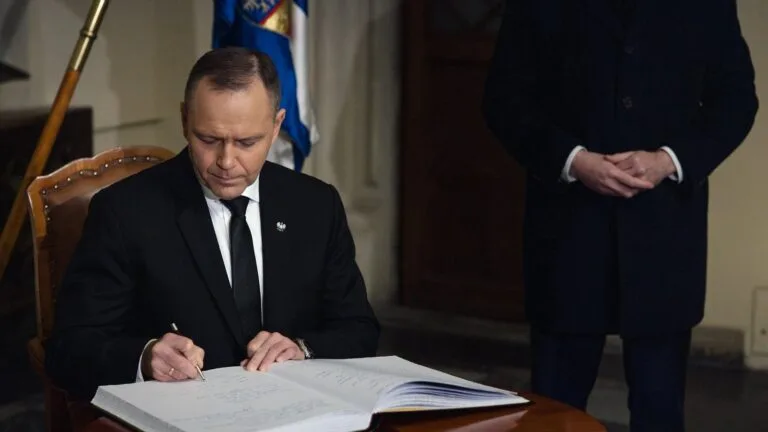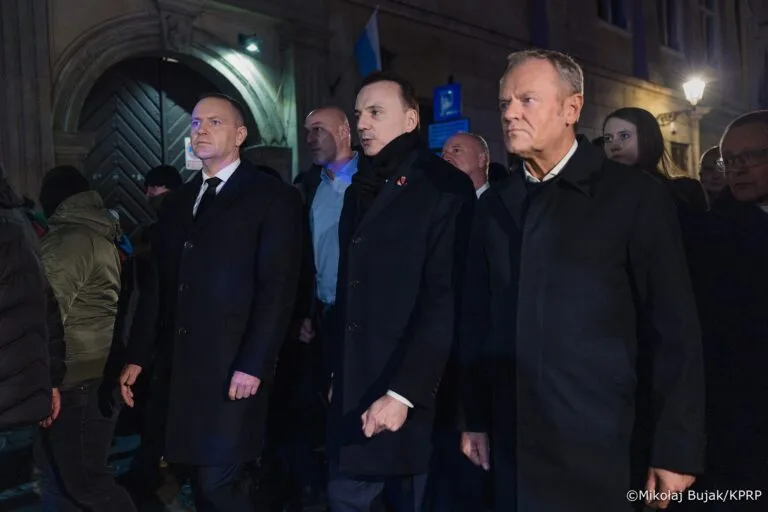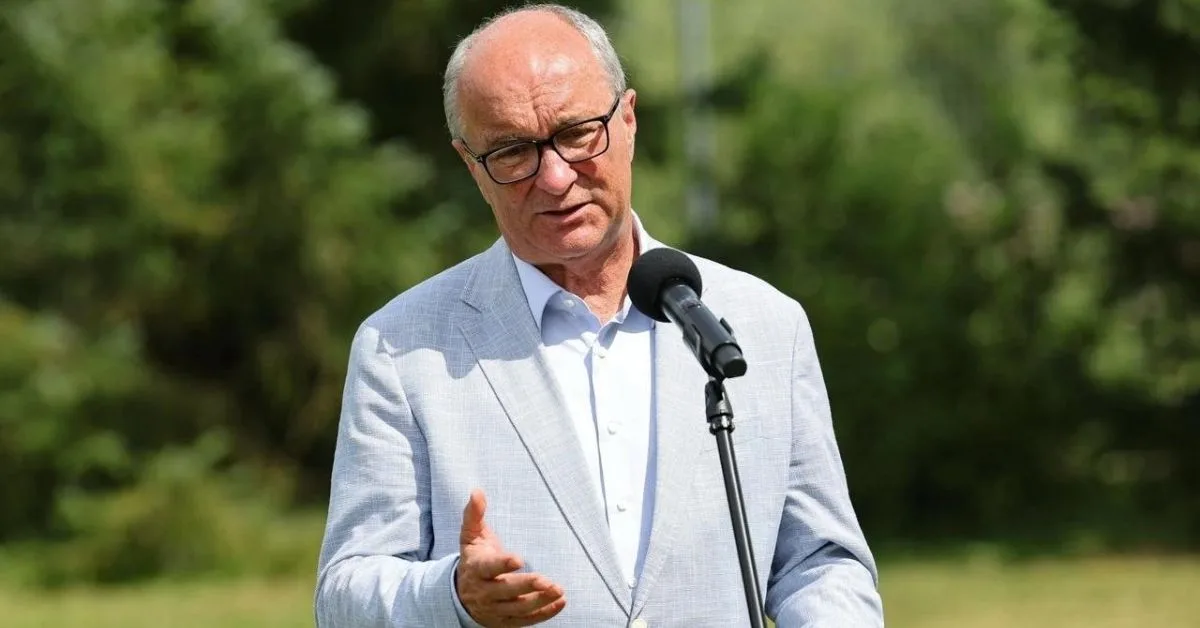
Sejm Speaker Włodzimierz Czarzasty, after meeting Ruslan Stefanchuk in Szczawnica, made it clear: Ukraine must call the Volhynia massacre genocide if it wants to join the European Union. The Union is about values, not an ATM.
Włodzimierz Czarzasty and the Chairman of the Verkhovna Rada of Ukraine, Ruslan Stefanchuk, met on 10 August 2026 in Szczawnica. Delegations from both parliaments visited Ukrainian children of wounded soldiers who are recuperating in Poland at the invitation of the Sejm Speaker. After the talks, Czarzasty made a strong statement.
He stressed that he supports Ukraine’s accession to the EU. At the same time, he noted that this process requires Ukrainians to confront their entire history. “The European Union means democracy and values; it is not just an ATM. It also means calling genocide by its name. This is history, and no nation can escape its history” – he said.
The Volhynia Massacre Still Divides
The Volhynia massacre of 1943–1944 is one of the most difficult issues in Polish-Ukrainian relations. UPA units and part of the local population carried out mass killings of Poles at that time. Historians estimate the number of victims at 40,000–60,000, and according to some studies, even more. Poland has for years described these events as genocide.
For a long time, Ukraine avoided this term. There, the more common phrase is “the Volhynia tragedy”. In recent years, however, some steps have been taken – exhumations have resumed, and President Volodymyr Zelensky has announced the opening of archives and decisions on historical matters. Even so, the topic still provokes tensions.
The EU Is About More Than Money
Czarzasty’s statement is part of a broader debate on the conditions for Ukraine’s accession to the EU. Poland has repeatedly stressed that supporting Kyiv does not preclude speaking about its difficult past. Similar accents had appeared earlier in the statements of other Polish politicians.
Czarzasty indicated that meetings such as the one in Szczawnica are only the beginning. He proposed a regular channel of communication between the parliaments of the two countries. In his view, no situation is hopeless if both sides want to talk honestly – even about painful matters.
Czarzasty takes the position that the security of Poland and Ukraine are linked.
Time will tell whether the talks in Szczawnica and similar gestures translate into concrete decisions. One thing is certain: the issue of the Volhynia massacre will not disappear from the Polish-Ukrainian dialogue.