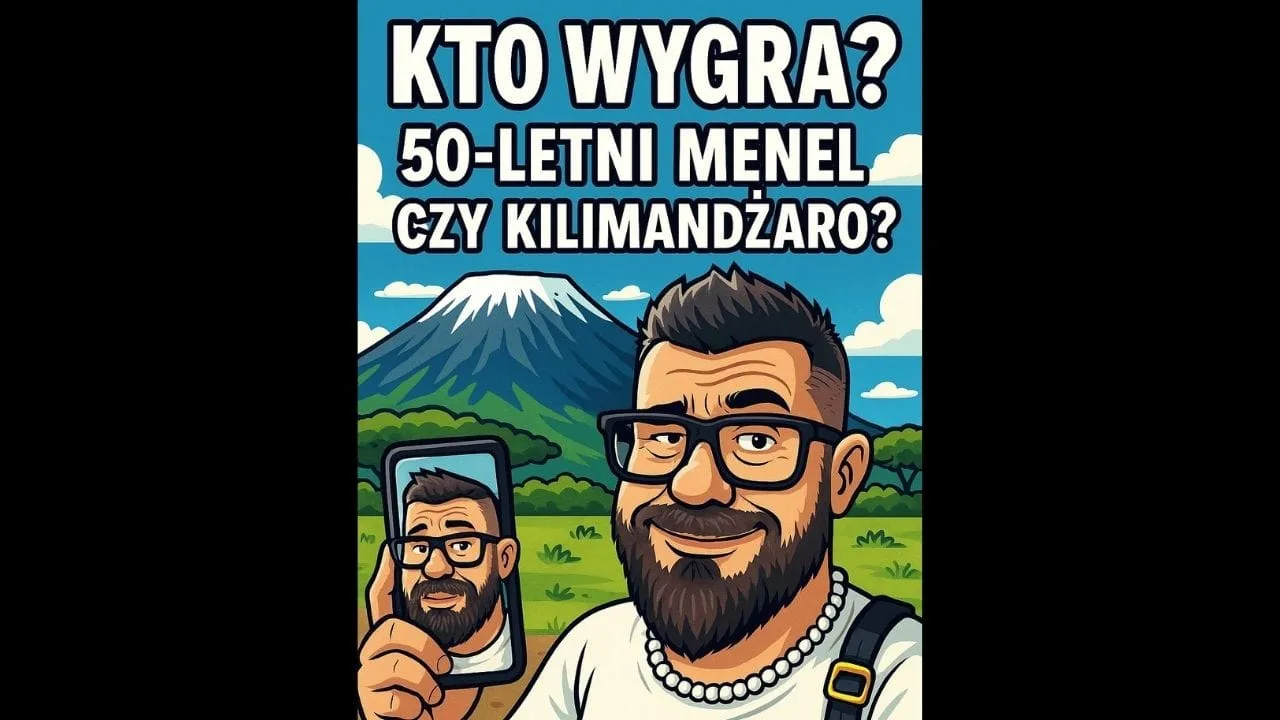
A reporter with a passion for adventure set out to climb Kilimanjaro, Africa’s highest peak, at an age many consider risky. Is his feat safe, and will he return from the expedition? Let’s look at what you should know about climbing Kilimanjaro later in life.
Kilimanjaro – a challenge for every age
Kilimanjaro is a mountain 5,895 m above sea level that can be climbed without specialist climbing equipment. The route is mainly a trek, but altitude and the changing weather conditions that come with it make it a major physical challenge. For older people, the changes linked to air pressure and lower oxygen levels are more risky, as they can lead to acute mountain sickness (AMS).
Is age a barrier?
Research shows that age in itself is not a contraindication to climbing Kilimanjaro. Older people cope with acclimatisation just as well as, or even better than, younger people, provided they pace themselves properly and stay well hydrated. The key is checking your health in advance and preparing physically.
Examples of older people on Kilimanjaro
- In 2024, 73-year-old Geoff Day successfully reached the summit of Kilimanjaro, showing that age is no obstacle.
- In 2024, an 89-year-old was recorded who climbed the summit for the second time, setting a record as the oldest climber.
Risks and preparation before climbing Kilimanjaro
Main dangers
- Acute mountain sickness (symptoms: headache, nausea, fatigue)
- Reduced physical fitness and longer recovery time
- Cardiovascular problems in people with pre-existing conditions
How to prepare?
- Medical check-ups with an assessment of heart and lung function
- Cardio and endurance training with a focus on recovery
- Choosing a longer route (8-9 days) that allows for gradual acclimatisation
- Working with experienced guides and using porter support
Is it not too crazy?
Taking on such a challenge later in life requires maturity and common sense. Although many see the reporter as crazy, he shows determination and prepares well, which increases his chances of success and a safe return.
Climbing Kilimanjaro in middle age is possible and increasingly popular. Proper preparation, good health and a sensible climbing plan are key. The reporter shows that passion and determination have no age, and that risk can be reduced through a responsible approach.