

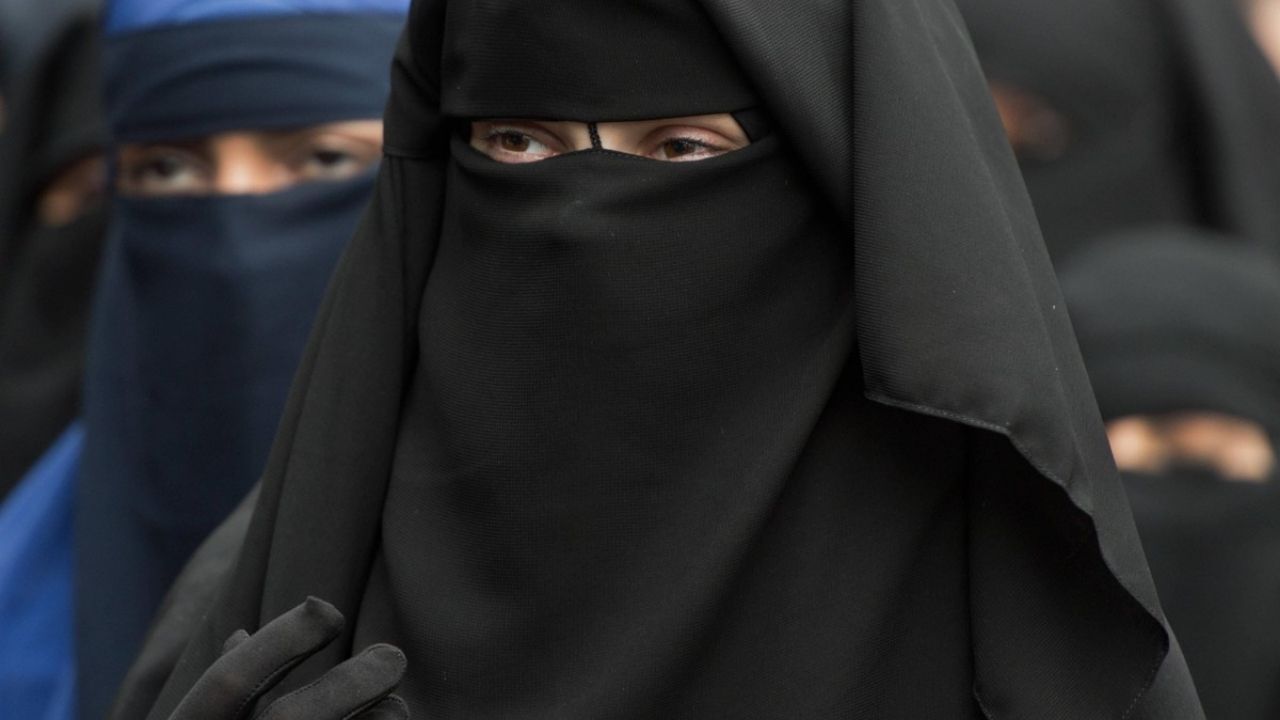
Denmark, known for one of Europe’s strictest integration policies, is going a step further in the fight against face coverings. Prime Minister Mette Frederiksen has announced extending the burqa and niqab ban in force since 2018 to educational institutions – schools and universities.
What does the law say?
Since August 2018, Denmark has had a ban on wearing clothing that covers the face in public places (the so-called “burqa ban”). It applies not only to the burqa and niqab, but also to masks, balaclavas and fake beards. Exceptions apply only for reasons of security, health or carnival.
Breaking the ban is punishable by a fine – from 1,000 Danish kroner (approx. 580 PLN) for a first offence, up to 10,000 kroner for repeat offences.
New tightening
Prime Minister Frederiksen said that limiting the ban only to public spaces had been a mistake. The government is preparing a bill that is to take effect in 2026 and completely ban face coverings in schools and universities.
“Burqas, niqabs or other veils covering the face have no place in a Danish school classroom” – stressed Immigration and Integration Minister Rasmus Stoklund.
Supporters of the rules
Supporters of the tightening stress that people living in Denmark should “adapt to the culture or leave”. In their view, covering the face is a symbol of separatism and hinders integration, communication and the building of a cohesive society based on Danish secular values and gender equality.
Context
The decision fits into the broader policy of Danish Social Democrats, who have for years taken a hard line toward radical Islam. Denmark has long applied, among other measures, “ghetto laws” (special regulations for problematic neighbourhoods) and tightened immigration rules.
Critics (mainly the left and Muslim organisations) speak of discrimination and violation of religious freedom. Supporters stress that this is not an attack on Islam, but a defence of the Danish model of society.



Komentarze