

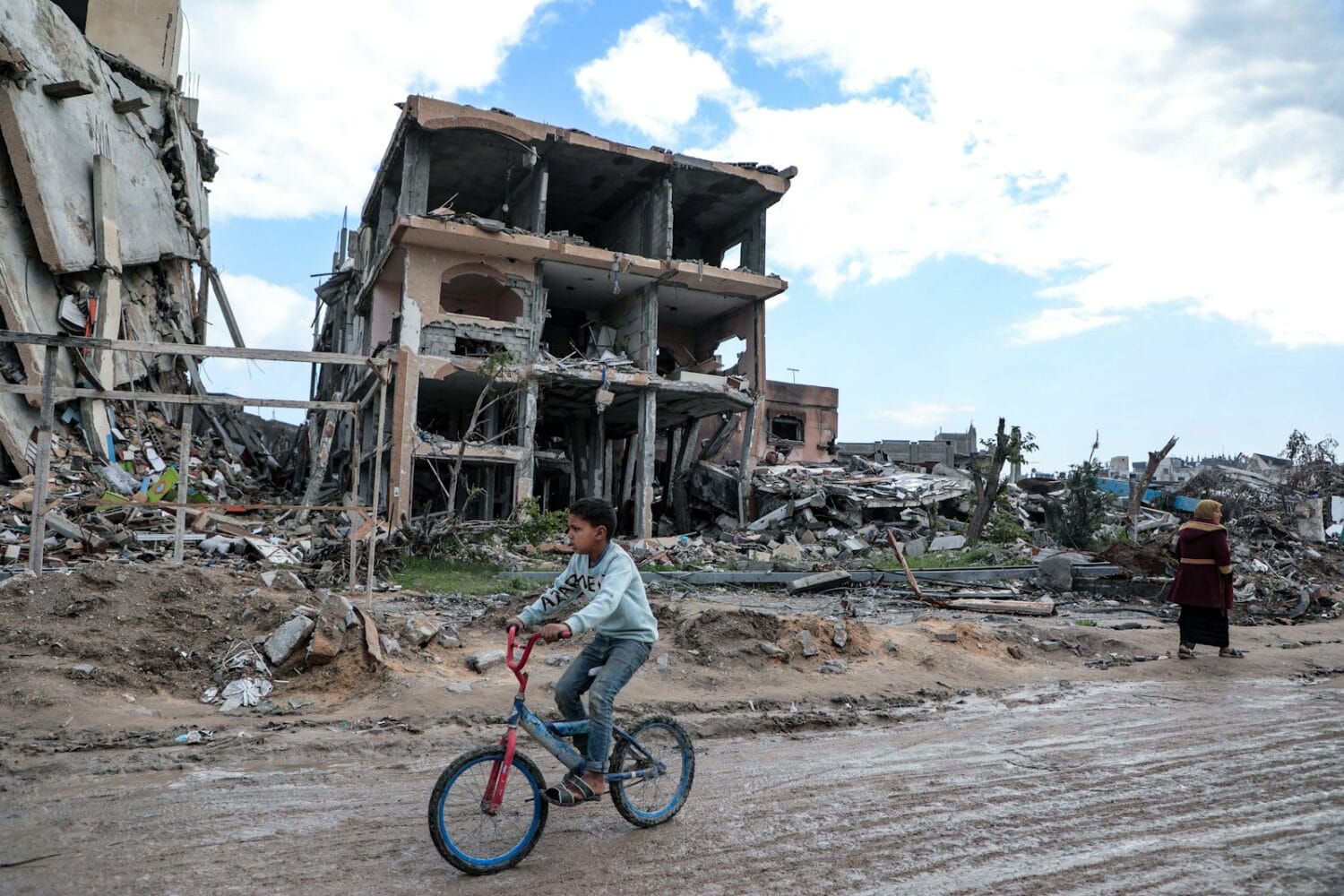
In mid-2025, the humanitarian situation in the Gaza Strip reached a dramatic level of famine, affecting almost one third of the residents of this enclave.
Catastrophic Consequences of the War
According to the latest reports from the World Food Programme (WFP) and the IPC (International Food Security Phase Classification), from May to the end of September 2025 the entire Gaza Strip is at the “Emergency” level (IPC 4), and around 470 thousand people, or about 22% of the population, are experiencing the “Catastrophe” phase (IPC 5), meaning extreme hunger and a life-threatening situation.
For several months, more than 90 thousand women and children have required immediate food assistance, and malnutrition is rapidly worsening. Severe malnutrition treatment centres are overcrowded, and the number of deaths from hunger and malnutrition is rising every day. Local medical authorities in Gaza report hundreds of hunger-related deaths, including dozens of children, which confirms a trend also reported by the UN and humanitarian organisations.
The cause of the catastrophic situation is the total blockade of the Gaza Strip imposed by the Israeli government, which effectively prevents the free flow of food, medicine, water, fuel and other essential supplies. Although tonnes of food and water are sitting in warehouses both at the borders and inside the Strip, humanitarian organisations have no access to them, further deepening the suffering of the population.
War Crimes
More than 100 international non-governmental organisations, including Doctors Without Borders, Amnesty International and Oxfam, are warning of an impending famine catastrophe and calling on the international community to immediately open border crossings, lift the blockade and enable large-scale delivery of humanitarian aid. The organisations stress that using hunger as a method of warfare constitutes a war crime.
According to UN data, since May 2025 more than 1,000 Palestinians have been fatally shot while trying to obtain food, and many people are dying on routes and at humanitarian aid distribution points, further deepening the tragic situation.
In recent days, Israel has partially agreed to so-called humanitarian pauses, that is, short periods during which a limited amount of food and medical aid may be delivered to the Gaza Strip. However, they are insufficient for the needs of more than two million residents of the area.
The Gaza Strip faces not only hunger but also a sanitation crisis, with the spread of diseases such as acute diarrhoea, lack of access to clean water and medicine, and neglect of basic healthcare. Markets are empty, and people are collapsing in the streets from hunger and dehydration.
International leaders, including UN Secretary-General António Guterres, describe the situation as a moral crisis and appeal for swift political action to end the blockade and ensure immediate access to aid, in order to avoid further victims and an unprecedented humanitarian catastrophe.
Netanyahu on the Situation in the Gaza Strip
Benjamin Netanyahu, Prime Minister of Israel in 2025, has repeatedly addressed the situation in the Gaza Strip, including the humanitarian crisis and food shortages. His statements indicate that Israel maintains the blockade of the Gaza Strip for security reasons, explaining that these measures aim to protect Israeli citizens from threats posed by armed groups operating in Gaza, such as Hamas. At the same time, Netanyahu and the Israeli government, while declaring concern for the fate of civilians, point to the need to conduct military operations against groups considered terrorist and deny responsibility for the broad humanitarian crisis, blaming Hamas for using civilians as “human shields”.





Komentarze