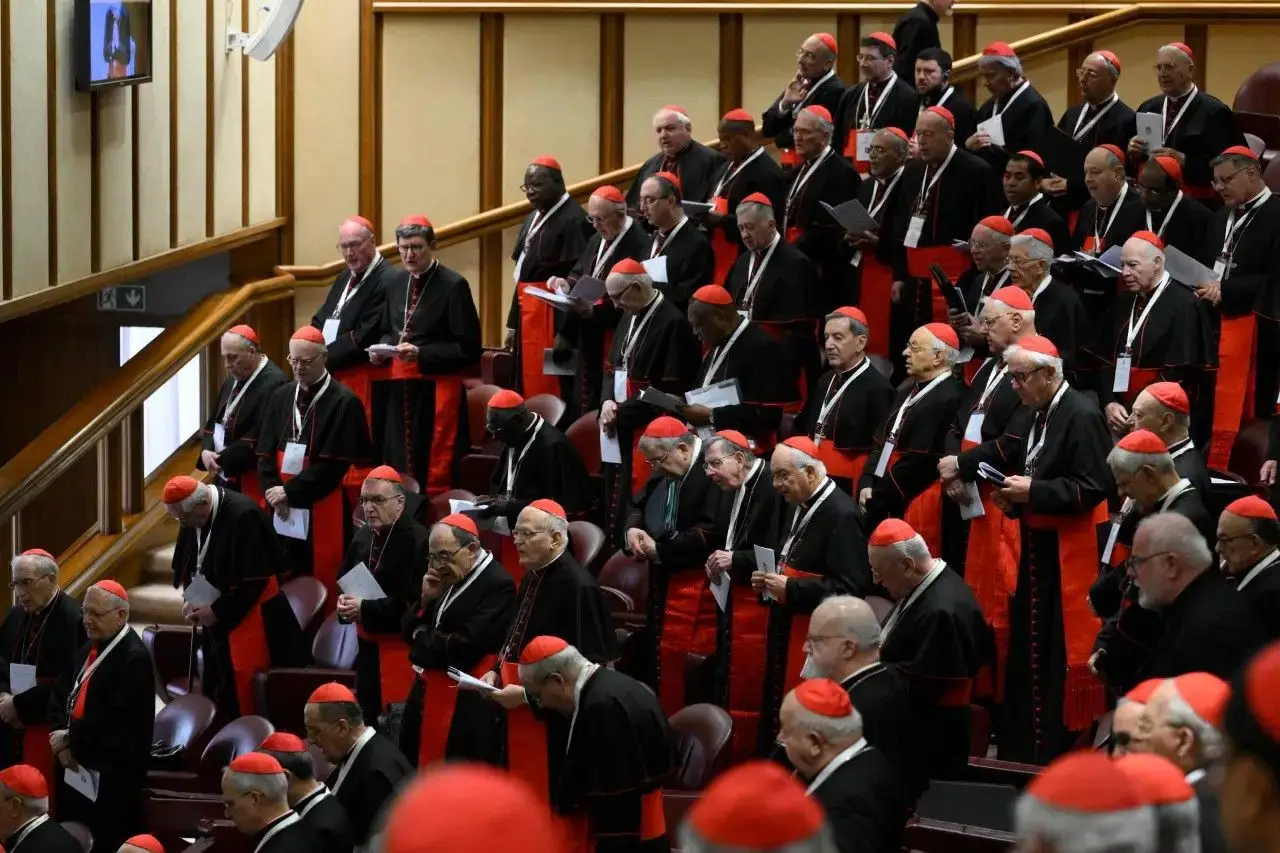
On 7 May 2025, the conclave will begin in the Vatican, where the cardinal electors will choose the successor to Pope Francis. The event is drawing the attention of the whole world and carries enormous significance for the Catholic Church and international politics.
What is a conclave and why does it stir such emotion?
The conclave, from the Latin cum clave (“with a key”), is an extremely mysterious process of electing a new pope, rich in tradition. The cardinal electors are locked in the Sistine Chapel, where, isolated from the world, they vote up to several times a day until the required two-thirds majority is reached. Every stage of the election is shrouded in an aura of secrecy, and the world waits for the famous white smoke that signals the choice of a new Bishop of Rome.
Key dates and figures – what is worth knowing?
- Pope Francis died on 21 April 2025, after more than 12 years of pontificate.
- Under canon law, the conclave must begin no earlier than 15 days after the pope’s death – hence the date of 7 May.
- 133 cardinal electors from 71 countries will take part in the vote (originally 135, but two withdrew for health reasons).
- Four Poles are among the electors.
- Most cardinals were appointed by Pope Francis, which may influence the direction of future reforms in the Church.
- The most important facts about the 2025 conclave
| Start date | Location | Number of electors | Poles among electors | Number of countries represented |
|---|---|---|---|---|
| 7 May 2025 | Sistine Chapel | 133 | 4 | 71 |
How is a pope chosen?
The process of electing a pope is strictly defined:
The cardinal electors are locked in the Sistine Chapel.
There are a maximum of four ballots each day – two in the morning and two in the afternoon.
The vote is secret; a candidate must receive a two-thirds majority.
The result of the vote is signaled by smoke from the chimney: black means no choice has been made, white means a new pope has been elected.
The new pope is announced with the words “Habemus Papam” from the balcony of St. Peter’s Basilica.
Why is this conclave unique?
This year’s conclave is of particular significance, because most of the electors were appointed by the late Pope Francis. This may mean the continuation of his reforms – greater openness of the Church, interreligious dialogue, or decentralization of authority. The choice of a new pope will influence not only the direction of the Church but also world politics, especially in the context of challenges such as migration, climate change, or armed conflicts.
When will we learn who the new pope is?
If the votes proceed smoothly, we will learn the name of the new pope as early as the first half of May. The world is waiting eagerly for the moment when white smoke rises from the chimney of the Sistine Chapel and the words “Habemus Papam” are spoken from the balcony of St. Peter’s Basilica.
The 2025 conclave is not only a religious ritual but also an event that may influence the course of history. It is worth following these days closely – the future of the Church and its role in the world depend on decisions that will be made behind the closed doors of the Sistine Chapel.