
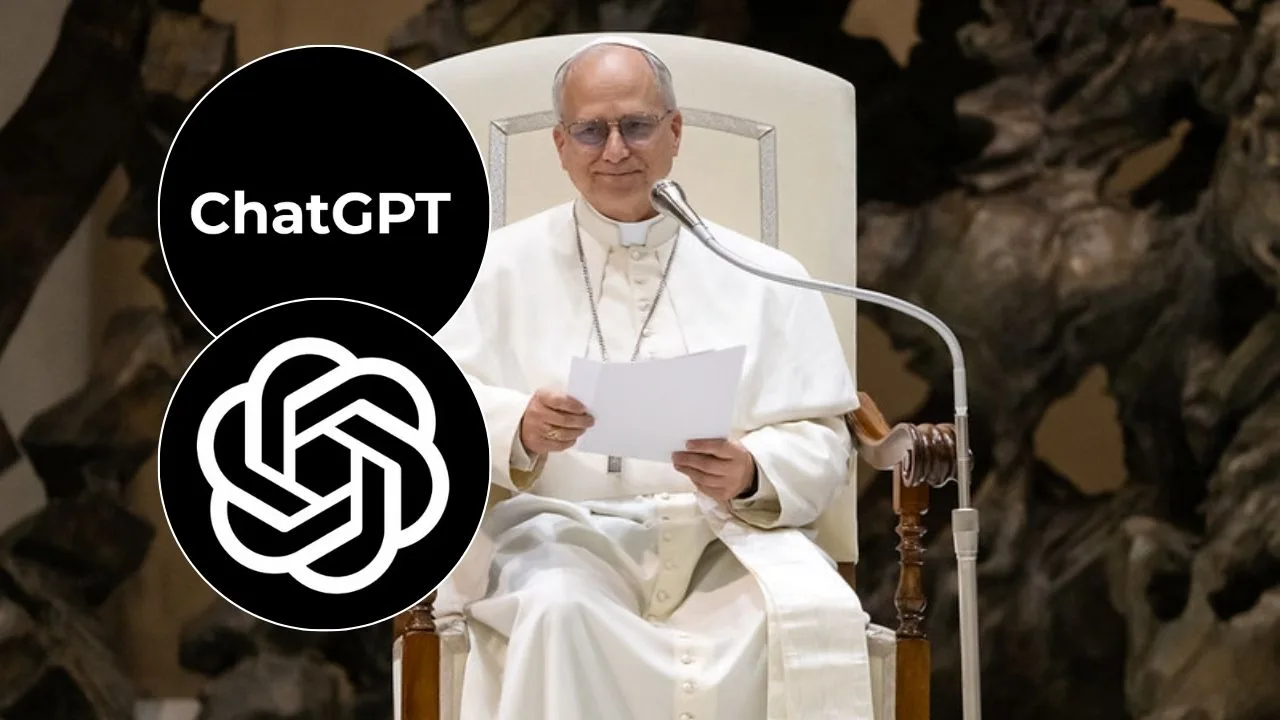
At a recent meeting with the clergy of the Diocese of Rome, Pope Leo XIV clearly warned against the temptation to use artificial intelligence when preparing homilies. In an open dialogue with priests held in February 2026, the current successor of St. Peter addressed several contemporary pastoral challenges, including tools such as ChatGPT and other language models.
“I ask you, resist the temptation to prepare homilies with the help of artificial intelligence,” the pope said, as quoted by Vatican News. He stressed that a true homily is not a collection of nicely arranged sentences, but an authentic sharing of faith. And this, he noted, a machine will never be able to do.
“The Brain Must Be Exercised, or It Atrophies”
Leo XIV used a vivid metaphor, comparing the intellect to the muscles of the human body:
“Like all the muscles in the body, if we do not use them, if we do not move them, they atrophy; in the same way, the brain needs to be used, and your intelligence must be exercised.”
In this way, the pope expressed concern that regularly assigning AI the writing of sermons could lead to a gradual decline of priests’ personal intellectual and spiritual effort. In his view, a homily should grow out of prayer, a personal encounter with Christ, and the real lives and problems of the faithful, not out of a ready-made prompt entered into a chatbot.
Why Now?
Although the topic of artificial intelligence in the Church has been present for several years, it was in 2026 – when tools such as ChatGPT, Claude, and Grok became widely available and highly advanced – that the problem took on a real dimension. Media reports say that some clergy (especially in countries with heavy pastoral workloads) have begun experimenting with using AI to generate draft sermons in order to save time.
The pope did not introduce a formal ban, but his appeal is a very clear moral and pastoral guideline. Many commentators read it as a clear signal to bishops and religious superiors: they should encourage priests to work on homilies independently and avoid treating AI as a substitute for personal reflection.
Reactions in the Church and the Media
Leo XIV’s appeal quickly spread across the Catholic world and sparked lively discussion:
- some priests admitted in anonymous conversations that they had indeed used AI for “first drafts” or to look for inspiration and quotations;
- others stress that a good sermon requires empathy and personal witness – qualities an algorithm does not possess;
- there were also critical voices arguing that the pope demonizes a technology that can be a helpful tool (e.g., for biblical research or quick translation).
Regardless of these opinions, the pope’s position is clear: a homily is not a product but an encounter. And in that encounter, the living, thinking mind of the priest cannot be missing.
The Vatican has not announced further regulations on this matter for now, but the words of Leo XIV will certainly influence how Sunday homilies are prepared in the coming months and years in Polish, Italian, American, and Brazilian parishes alike.
Source: Spider’s Web