

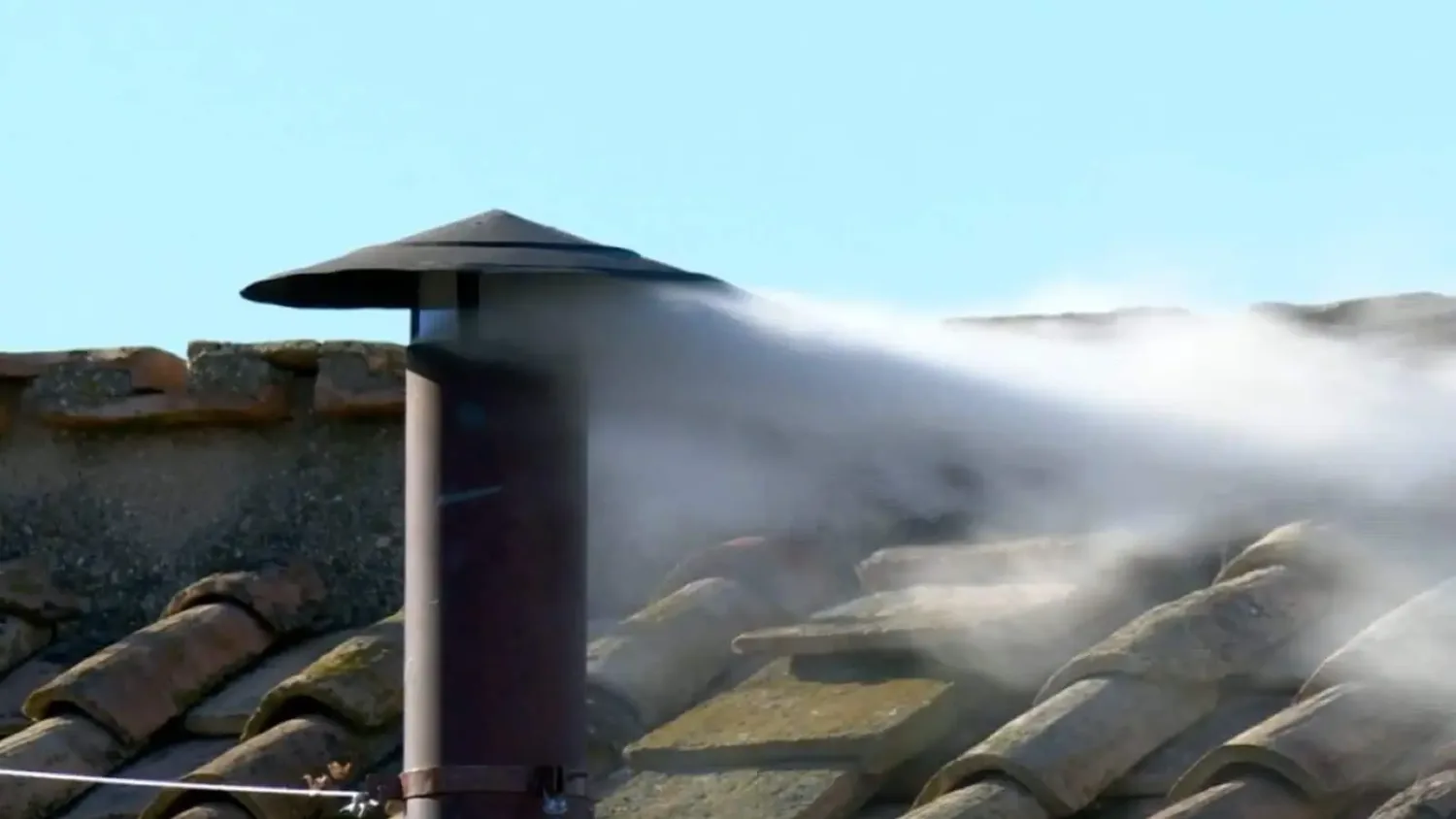
The Vatican has once again become the centre of global attention – after the fourth ballot of the conclave, white smoke rose over the Sistine Chapel. It is an unmistakable sign: we have a new pope! The moment millions of the faithful had been waiting for has just happened.
How is a pope chosen? – the key stages of the conclave
Electing a new pope is a centuries-old tradition and a precisely defined procedure. In 2025, the conclave began on 7 May, with a record 133 cardinal electors taking part. The first ballot did not produce a result – black smoke rose from the chimney, meaning no one had obtained the required majority.
In the following days, four ballots are held each day: two in the morning and two in the afternoon. After each of them, the ballot papers are burned – if a pope has been chosen, white smoke appears; if not, the smoke is black.
The symbolism of the smoke
- White smoke (fumata bianca) – announces to the world the election of a new pope.
- Black smoke (fumata nera) – means that a decision has not yet been reached.
To achieve the white colour, special chemical mixtures are added when the ballot papers are burned, such as potassium chlorate, lactose and pine resin.
“Habemus Papam!” – what does this moment mean?
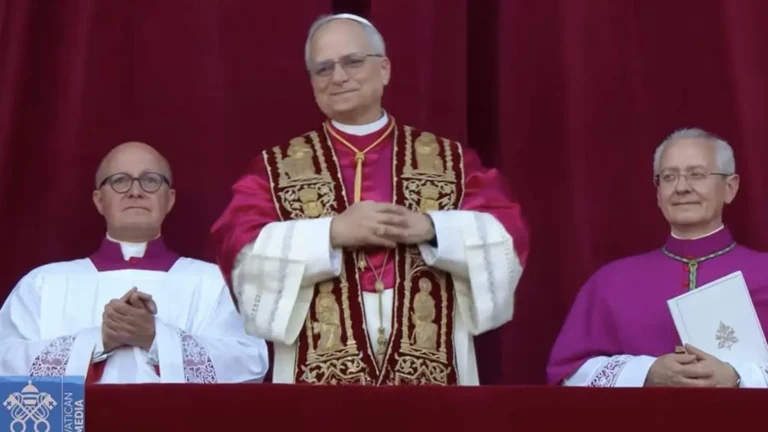
The famous phrase “Habemus Papam” (“We have a pope”) is the traditional Latin announcement spoken by the Cardinal Protodeacon from the balcony of St. Peter’s Basilica. After these words, the newly elected pope comes out to the faithful and gives his first blessing, “Urbi et Orbi” – “To the City and to the World”.
This event is compared to the final of a world sporting championship – emotion, anticipation and joy unite people regardless of nationality or language.
Who elects the pope and what are the requirements?
The pope is elected by the cardinal electors – this year as many as 133 clerics from around the world, including four Poles. To become pope, a candidate must obtain at least two-thirds of the votes (in 2025 – 89).
The favourites are most often cardinals with extensive experience and the trust of the electors. In this conclave, among others, Cardinal Pietro Parolin and Cardinal Matteo Zuppi were mentioned as potential successors of St. Peter.
Why is this election so important?
The new pope is not only the head of the Catholic Church, but also a moral and spiritual authority for more than a billion believers around the world. His decisions and message affect not only religion, but also global politics, intercultural dialogue and charitable work.
The election of the 267th pope marks the beginning of a new chapter in the history of the Church – and a moment that will be remembered for a long time by believers and observers around the world.
White smoke, “Habemus Papam” and the first blessing – these are moments that unite people beyond divisions. We are witnessing them right now.


Komentarze