
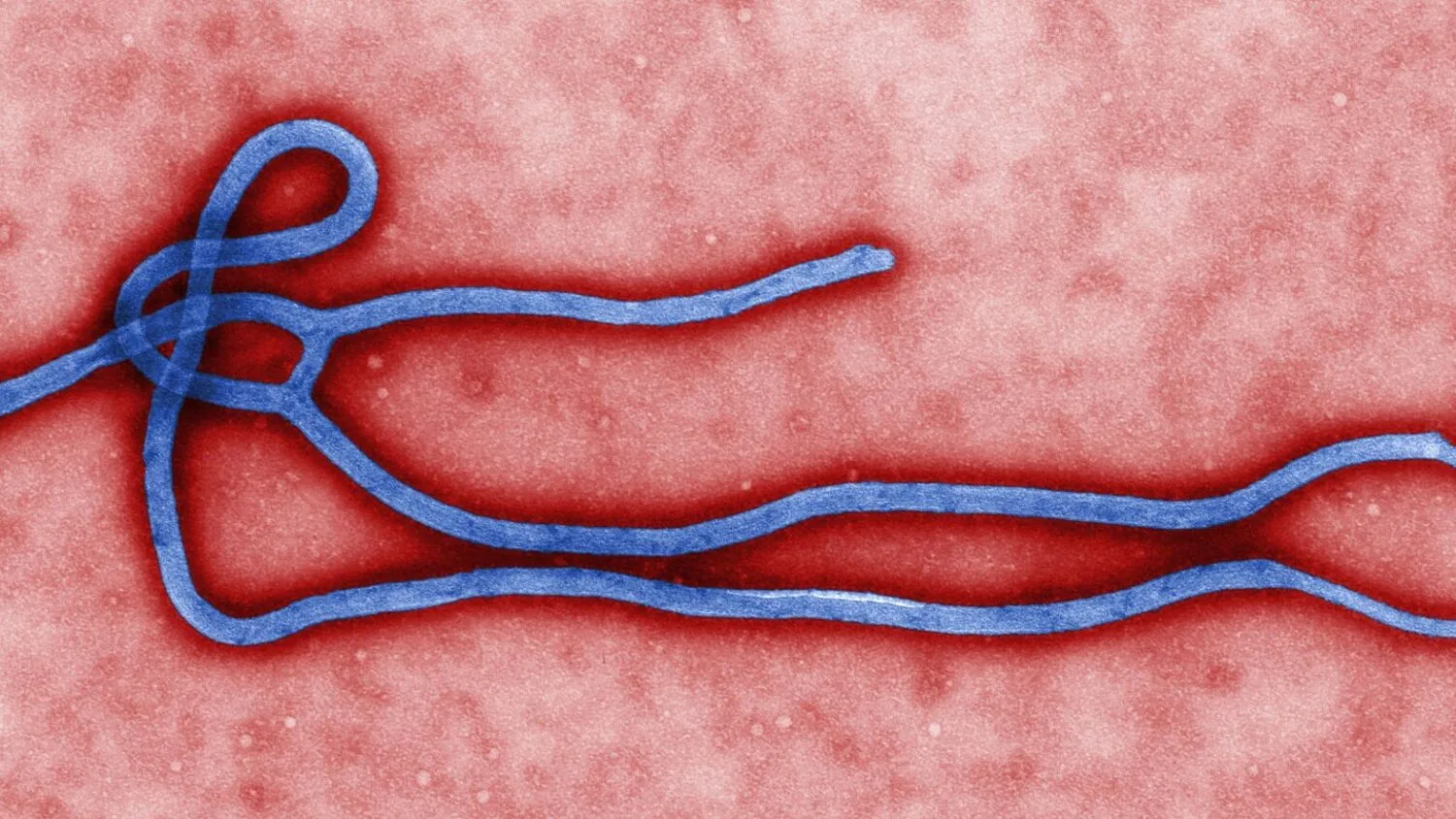
Nigeria is the fifth country where the Bundibugyo virus from the ongoing Ebola epidemic has been detected; the first case was confirmed on Tuesday, 20 October, in Abuja. The WHO does not recommend restrictions on travel or trade with countries affected by the epidemic.
According to a statement from the WHO’s regional office for Africa, this is an imported case: the patient is a woman who recently stayed in Uganda. Her symptoms appeared on 7 October, four days after she arrived in Nigeria, and on 11 October she sought help at a private facility in Abuja. A laboratory test confirmed the Bundibugyo virus on 20 October. The woman is in isolation and receiving medical care. The source of the infection is still being investigated. We previously reported on the first confirmed case in Nigeria.
Details provided by Nigerian authorities
As Al Jazeera reports, Olajumoke Babatunde, director of the public laboratory service at the Nigeria Centre for Disease Control (NCDC), said that three levels of molecular testing were carried out and the Bundibugyo strain was confirmed. According to these reports, the woman flew from Uganda to Abuja on 3 October. The AFP agency, cited by Gulf News, writes that the patient is a diplomat.
Authorities have identified 44 contacts, mainly healthcare workers; among them is the patient’s husband, a Swiss citizen who lives with her in Abuja. Services are also determining who she travelled with on the plane but, as officials said, there is no evidence that she had symptoms during the flight. Health Minister Muhammad Ali Pate told the public broadcaster NTA that the woman is in isolation and being treated. The NCDC has activated an incident management system, and infection control procedures are being strengthened at the facility where she sought help.
Background: the epidemic in Congo and other countries
The epidemic caused by Bundibugyo was declared in the Democratic Republic of the Congo on 15 May. The WHO, together with Uganda, classified it as a public health emergency of international concern. According to a summary from the South African National Institute for Communicable Diseases (NICD), based on data as of 20 October, 9,704 cases and 4,687 deaths have been confirmed in the DRC. Kenya has reported nine cases, including one death. There is no approved vaccine or specific treatment for this strain, Al Jazeera notes.
Nigeria is the most populous country in Africa and the first in West Africa with a detected case in this epidemic. Even so, the WHO stresses that it does not recommend restrictions on travel to or trade with countries affected by the epidemic.
What it means
As of publication, no cases linked to this event have been confirmed in Poland or elsewhere in Europe. Ebola spreads through direct contact with the blood and body fluids of a sick person, not through the air. People planning to travel to Nigeria, Uganda, Kenya or the DRC should follow announcements from the Ministry of Foreign Affairs (MSZ) and the Main Sanitary Inspectorate (GIS). Anyone who develops a fever after returning from an affected region should call a doctor or the emergency number and report their travel, rather than showing up unannounced at a clinic.