The UK government launched a three-year „Be Ready” campaign on Thursday, 22 October. It encourages households to build up three-day supplies in case of disruption to essential services.
The campaign is based on a new website, beready.campaign.gov.uk, which offers a downloadable checklist. The government explains there that emergencies, from severe storms to cyberattacks, can disrupt the services we rely on every day. According to the website, preparing for three days helps people get by until help reaches those who need it most.
What’s on the List
As British media outlets, including the PA news agency (via the Newham Recorder) and the Brit Brief service, describe, the recommended kit includes:
- drinking water: 3 litres per person per day, plus more for cooking and washing;
- three days’ worth of non-perishable food that needs no fridge or cooking, such as canned meat, fish and vegetables, dried fruit and nuts;
- a torch and spare batteries (the website notes they are safer than candles);
- blankets, sleeping bags and warm clothing;
- a battery or hand-crank radio with FM reception and a charged power bank;
- cash (coins and banknotes) and payment cards;
- copies of documents, written-down contact numbers and information about medications being taken;
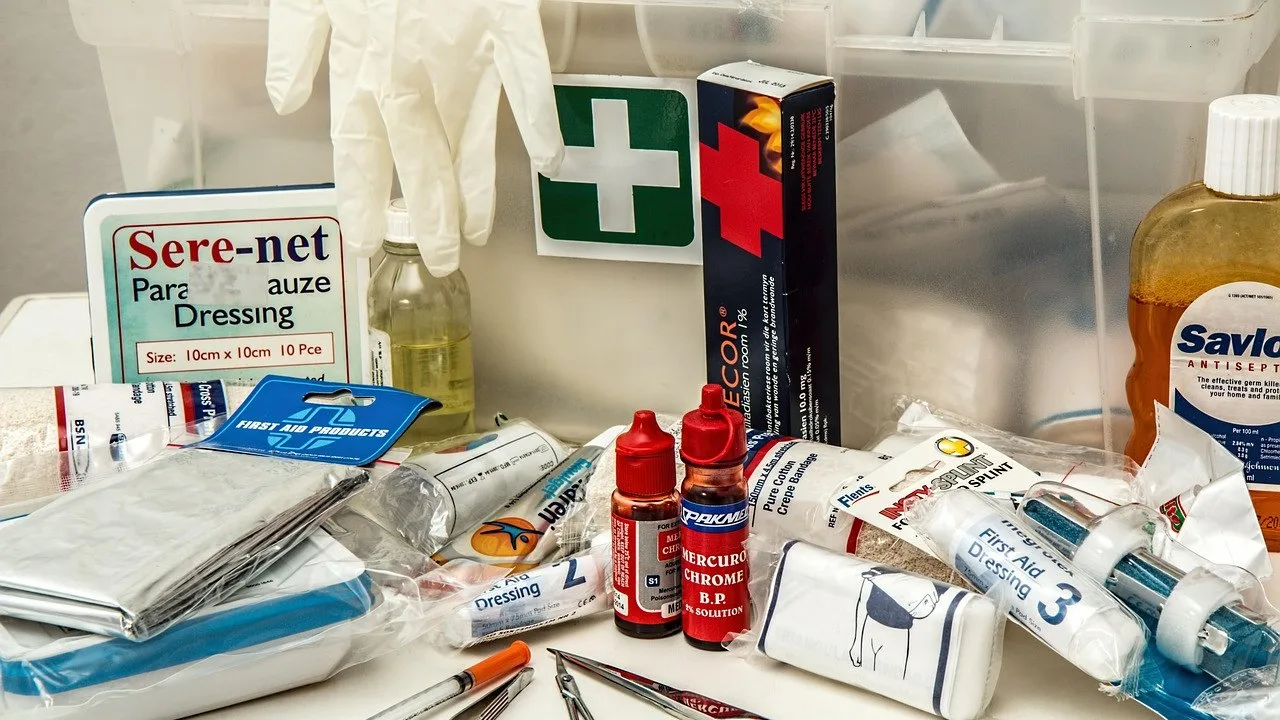
- a first-aid kit, hygiene products, and supplies for babies and pets.
The government also advises checking supplies every six months and talking with neighbours about mutual support. Eligible people can register for the Priority Services Register with their electricity, gas and water suppliers.
„Alert, Not Alarmed”
Defence minister Wes Streeting, quoted by British media, argues that the campaign will help with everyday threats such as cyberattacks, floods and wildfires. He speaks of a „whole of society” approach and of Britons being „alert, not alarmed”. He also warned of supply chain disruption caused by hostile states, and some media link the campaign to the threat from Russia. However, the website’s reference to „severe storms” and cyberattacks points to a broader framing.
The government stresses that this is advice, not a requirement. Supplies should be built up gradually, adding one or two items during regular shopping, rather than making one-off bulk purchases. According to Prepared Britain, citing the Cabinet Office, the new list adds cash, warm clothing and document copies to the previous set, and for the first time gives a specific amount of water. The old „Prepare” website already redirects to the new site. The campaign is due to run for three years, with messages appearing on the radio and social media, among other channels.
What It Means for Readers in Poland
The recommendations apply to residents of the United Kingdom, not Poland. For Poles living in the UK, however, it is a concrete list that can be put together at ordinary shops. Many items, such as water, canned food, a torch or a power bank, cost little. Institutions in other European countries also offer guidance similar to the three-day recommendation. According to Prepared Britain, three days are recommended by France, Ireland and the Netherlands, among others.