

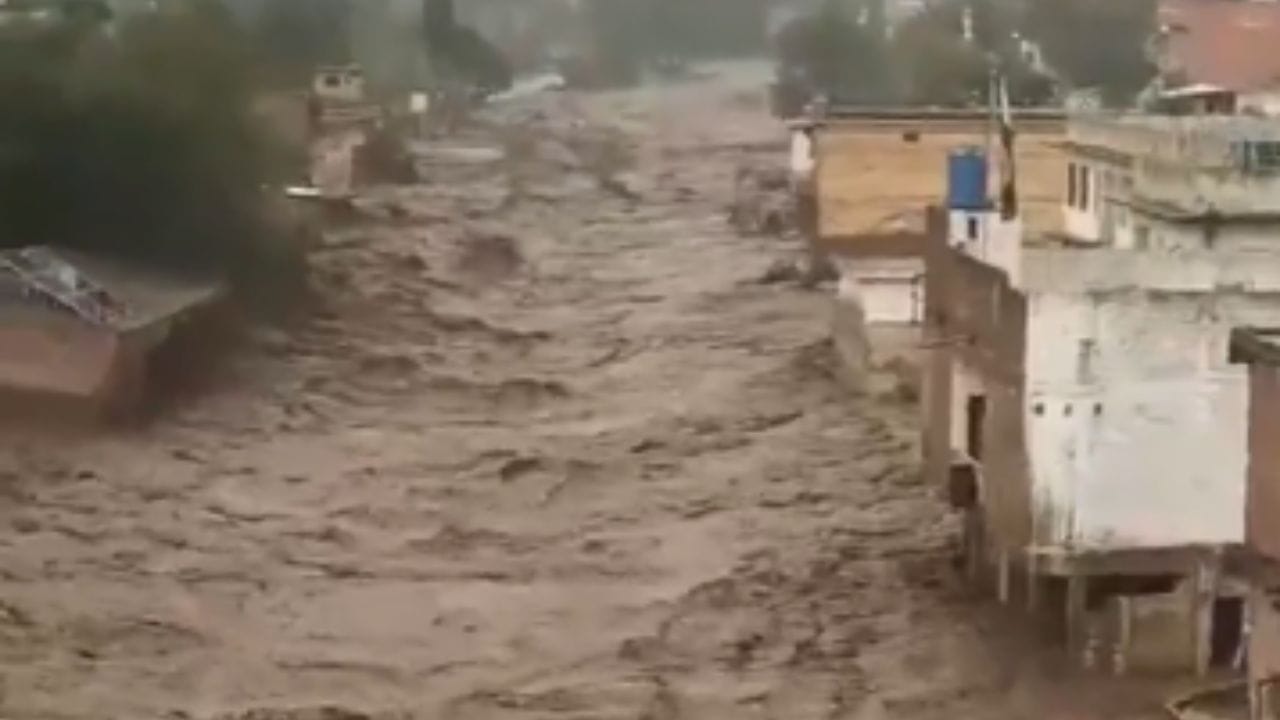
In northern Pakistan, monsoon rains triggered catastrophic floods that in just 48 hours claimed the lives of at least 344 people. The tragic effects of the disaster have caused unrest in the region and internationally.
On Saturday, rescuers struggled to recover bodies from muddy rubble after violent floods caused by heavy monsoon rains in northern Pakistan, which in the past 48 hours killed at least 344 people, authorities reported.
What caused the tragic floods?
Extremely intense monsoon rains hit the mountainous Khyber Pakhtunkhwa province and parts of Kashmir and Gilgit-Baltistan. Water swept away homes and roads, and landslides buried entire families.
This is the worst flood in decades – locals say even the oldest residents cannot remember a similar tragedy.
Scale of the tragedy: numbers and affected areas
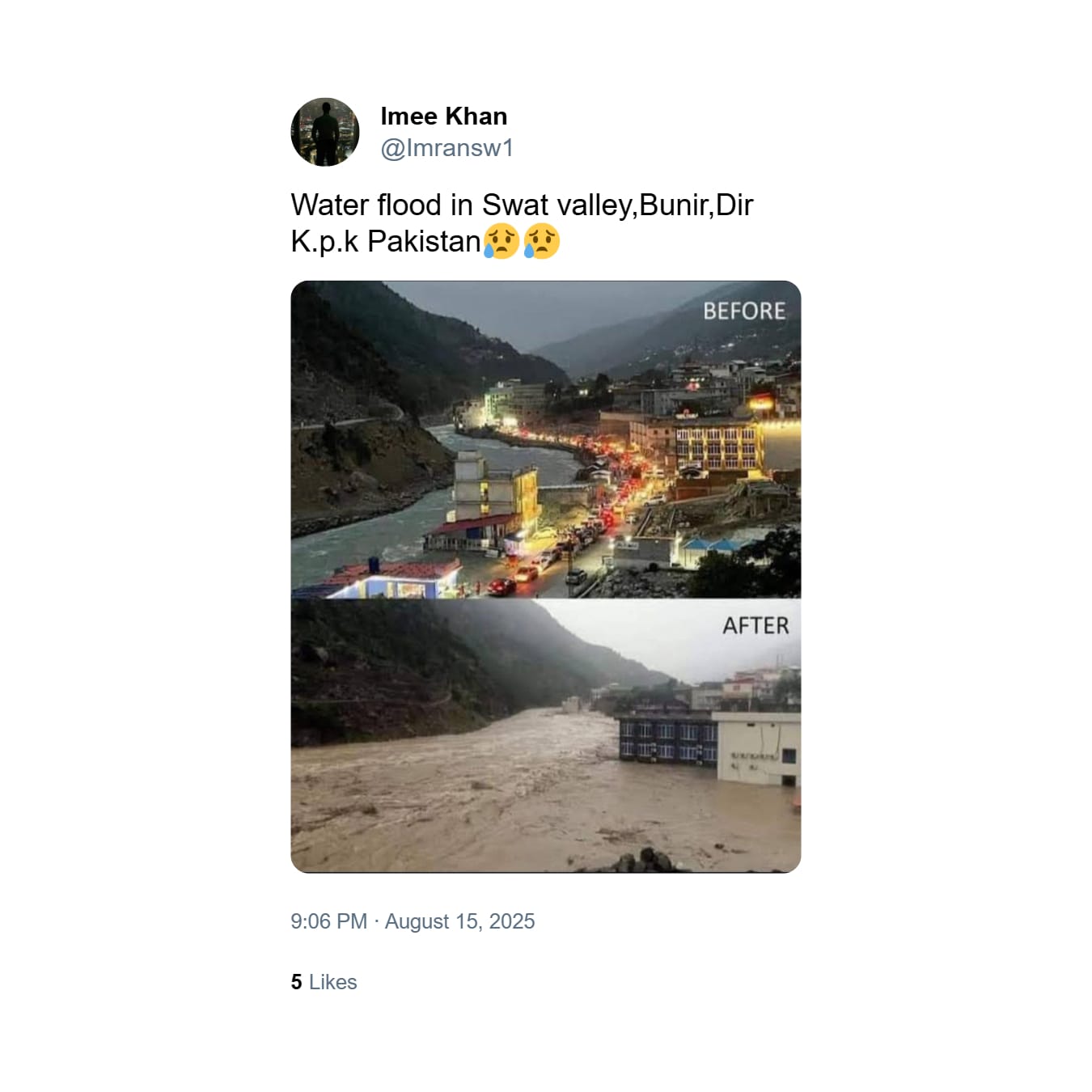
Violent floods are wreaking havoc in northern Pakistan, and rescue operations in flood-hit villages are gaining pace. Thousands of people remain cut off from the world, and the death toll across the country is rising.
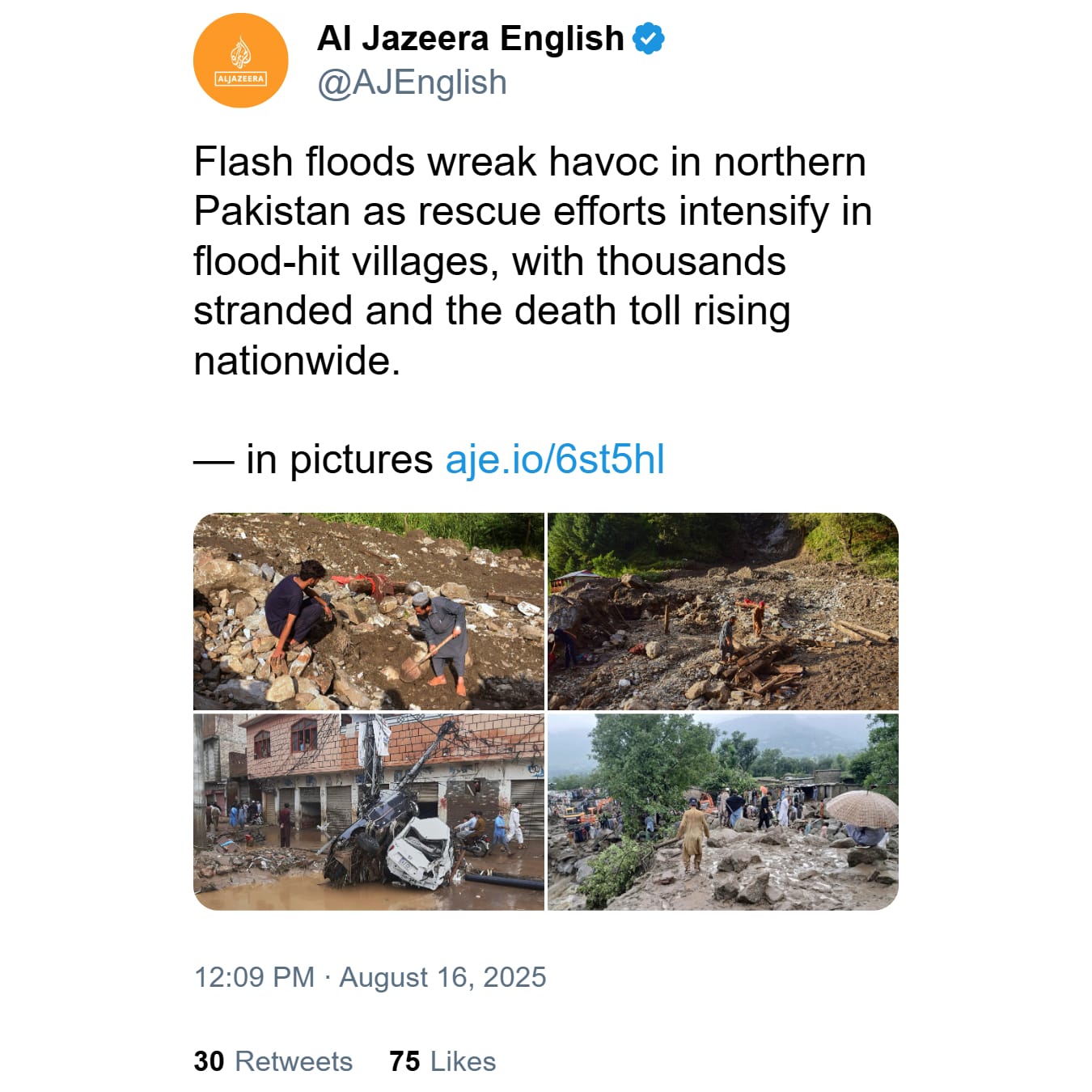
According to the National Disaster Management Authority (NDMA), most of the 344 victims died in Khyber Pakhtunkhwa province (328), nine in Kashmir, and five in Gilgit-Baltistan.
Hundreds of people are considered missing. At least 120 people were injured, and thousands have lost their homes.
Response of authorities and rescue services
Immediately after the tragedy, military and civilian rescue services were deployed to the disaster area, conducting search and rescue operations and providing food aid and temporary tents. Prime Minister Shehbaz Sharif convened an emergency government meeting, and temporary camps for flood victims are being set up in the hardest-hit areas.
Monsoon floods in Pakistan are a yearly problem, but climate change is making them increasingly destructive. Melting glaciers intensify the force of the disaster, and more frequent, intense downpours cause flash floods that local flood defence systems cannot withstand.
- In recent years Pakistan has experienced a series of floods that gradually wore down infrastructure, making even greater destruction possible.
- For many residents of the northern regions, homes and livelihoods disappeared literally within a few hours.
Short-term forecasts and threats
Meteorologists warn that intense rainfall in the region may last until at least August 21, increasing the risk of further landslides and a rising death toll. Travel to northern Pakistan is currently dangerous, and rescue services urge caution and staying in safe places.





Komentarze