

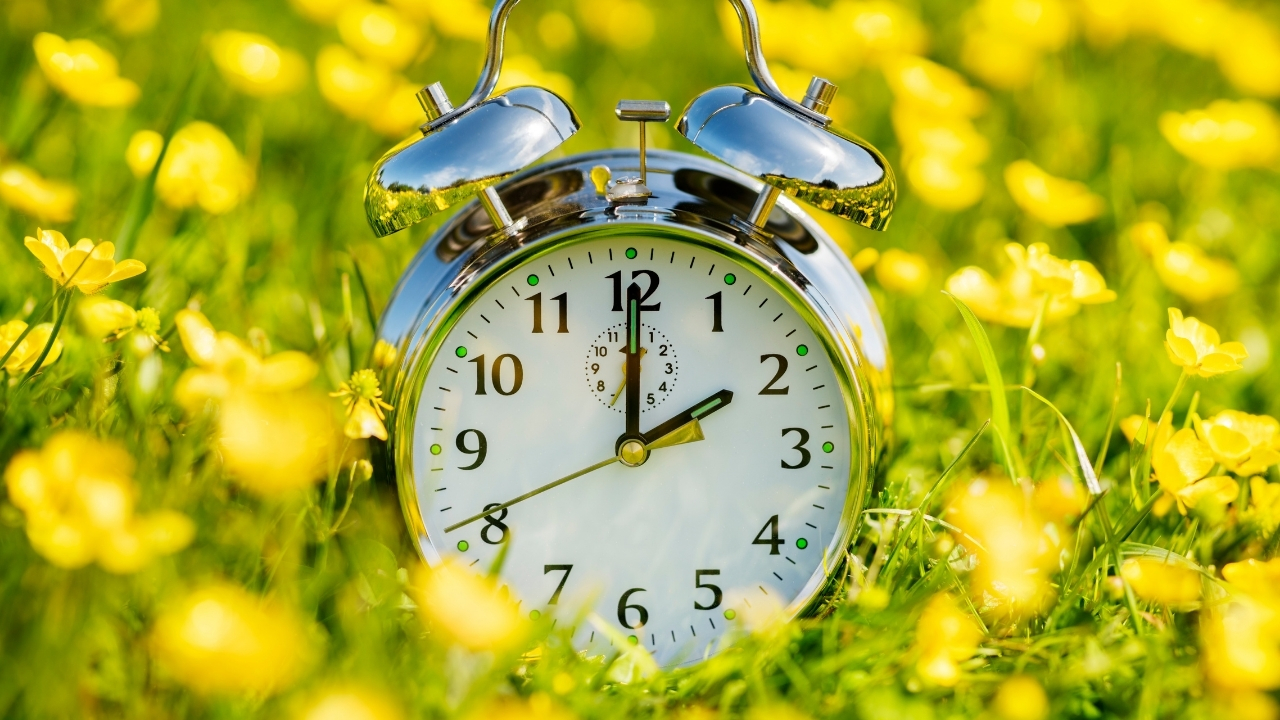
Winter time returns on Sunday, October 25: at 3:00 a.m. the clocks go back to 2:00, so we gain an extra hour in bed. The European Commission is still studying the effects of abolishing the clock change, but for now there is no decision to scrap it.
The switch to winter time takes place on the last Sunday of October. In practice, we change the clocks overnight from Saturday, October 24, to Sunday, October 25: 3:00 becomes 2:00. Phones, computers and most internet-connected devices will update automatically. Wristwatches, car clocks, ovens and some alarm clocks, among others, need to be adjusted manually.
How the days will change
Mornings will be lighter earlier, but in the afternoon darkness will fall sooner. Summer time will return on the last Sunday of March. As “Rzeczpospolita” recalls, in Poland the rules for the changeover were set by the regulation of the Prime Minister of March 4, 2022, on summer time in the years 2022–2026.
On March 18, the European Commission published a timetable for the coming years. According to a summary cited by rp.pl, the changes will fall on: in 2027, March 28 and October 31; in 2028, March 26 and October 29; in 2029, March 25 and October 28; in 2030, March 31 and October 27; and in 2031, March 30 and October 26.
What about ending the clock changes
There are still no laws abolishing the clock change. The Commission proposed a directive on this on September 12, 2018, but it never entered into force. As stated in a document from the Council of the EU General Secretariat dated June 3, prepared for the meeting of transport and energy ministers on June 8, in 2025 the Polish presidency proposed a two-year, EU-wide test of permanent summer time. However, member state delegations asked for additional analyses.
In response, Transport Commissioner Apostolos Tzitzikostas announced a study of the effects of abolishing the clock change. According to the Council document, it was formally launched in February 2026, is being carried out by a consortium of Ecorys, Capgemini, Stratec and CE Delft, and is due to be completed by the end of 2026. The analysis will cover economic, social and environmental effects, in scenarios involving both coordinated action across the whole EU and partly harmonised solutions, depending on whether countries choose permanent summer time or winter time. Ten analysed scenarios are described by rp.pl and “Gazeta Prawna”, among others.
The study’s results do not automatically mean the clock change will be abolished; they are meant to give member states data for further talks. The Commission has not presented a new draft law, and any changes must be decided by the member states and the European Parliament.
What it means
This year and in the years ahead, we will change the clocks under the current rules: the next change is Sunday, October 25, then March 28, 2027, and in October 2027 the clocks will go back only on October 31. The extra hour of sleep on the night of October 24–25 applies to everyone, but people working night shifts will work one hour longer that night, which is worth considering when calculating working time.





Komentarze