

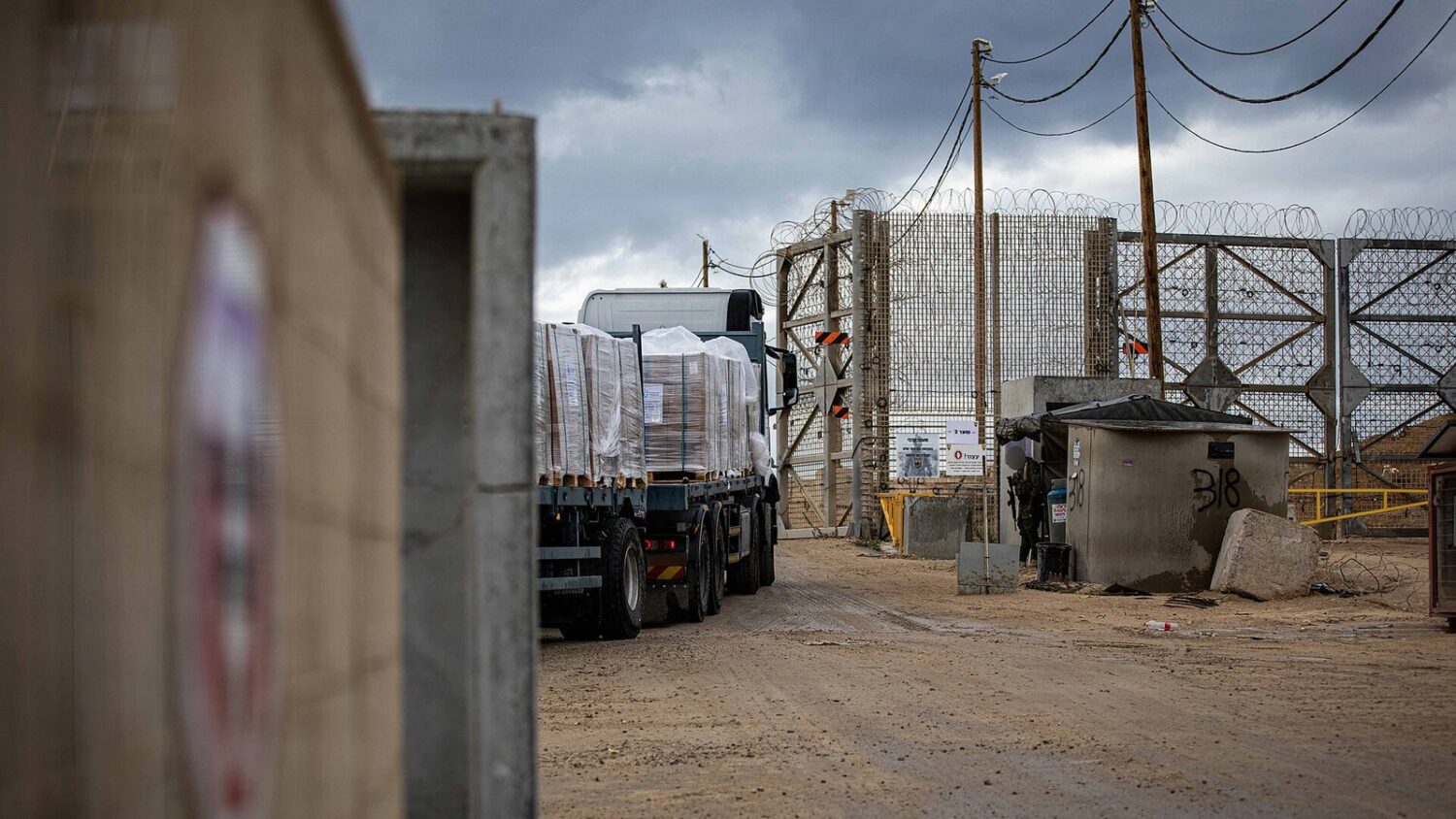
The World Food Programme (WFP) of the United Nations said on Monday, October 19, that due to a lack of funds it is reducing aid in the Gaza Strip by about one third. Around half a million people will lose support.
The WFP said on X that it is forced to reduce food assistance in Gaza, and the cuts come at the start of winter and at a moment when the recent, moderate improvement in the food situation remains fragile.
What exactly is changing
According to AFP, the WFP’s director in Palestine, Shaun Hughes, said that from this month half a million people are dropping off the list of those receiving aid. The number of recipients of aid, in the form of food or cash, is falling from 1.6 million to 1.1 million per month. This is still about half of Gaza’s residents.
According to reports by AFP, ABC News and Interia, the changes also affect other beneficiaries:
- rations have been halved – families receiving two food packages will get one, and flour sacks will be smaller (ABC),
- the number of hot meals from community kitchens will fall from 250,000 to 150,000 per day (AFP),
- residents of hard-to-reach areas, including near the so-called yellow line separating the area under Israeli control, will receive a meal every other day instead of daily,
- the value of cash assistance for 75,000 families has been reduced (by 40 percent according to Interia).
According to the Turkish Anadolu agency, the WFP is also halving its aid in the West Bank, from 400,000 to 200,000 people. To sustain operations in Gaza and the West Bank until March 2027, the agency urgently needs $450 million.
The scale of hunger
According to WFP data cited by Anadolu, about 1.4 million people, or 67 percent of Gaza’s residents, face crisis-level food insecurity or worse. About 200,000 people are in a higher stage, so-called Phase 4 of the IPC scale, which requires immediate assistance to prevent deaths from hunger. This is one level below famine. Unemployment exceeds 80 percent.
According to the Guardian, WFP funding has fallen by more than half compared with 2025. Acting WFP Executive Director Carl Skau told ABC that he is “really concerned” about the cuts just before winter. Interia notes that the reason is not supply disruptions but a lack of money, and that previous major donors, including the USA and European countries, have reduced their support.
A ceasefire between Israel and Hamas has been in effect since October 2025. Nevertheless, as the Guardian writes, the promised reconstruction has not started, and the vast majority of residents still depend on aid to feed themselves. We described the scale of the earlier crisis in our article about people dying of hunger in Gaza.
What it means
For readers in Poland, the decision has no direct financial consequences. However, it is a signal that humanitarian aid depends on contributions from states, and the WFP is appealing for $450 million until March 2027. Poles can support aid in the region through humanitarian organisations running fundraising campaigns, for example the Polish Humanitarian Action (PAH). At the time of publication, we did not know the reaction of the Israeli government or donor states to the WFP statement.





Komentarze