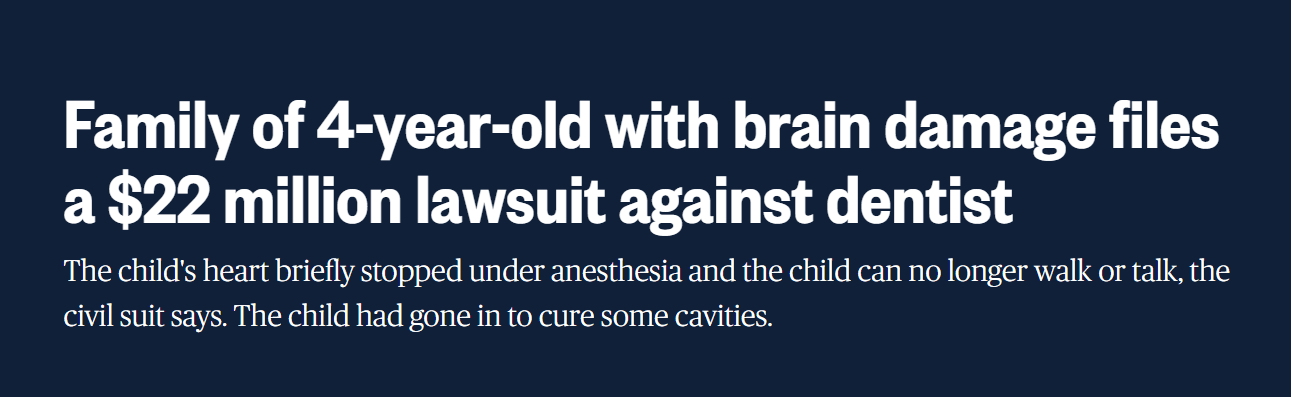
A visit to the dentist of an American four-year-old ended in tragedy – after the sedation, the child suffered irreversible brain damage. Parents made a record lawsuit of $22 million against the clinic.
Drama in the dental office
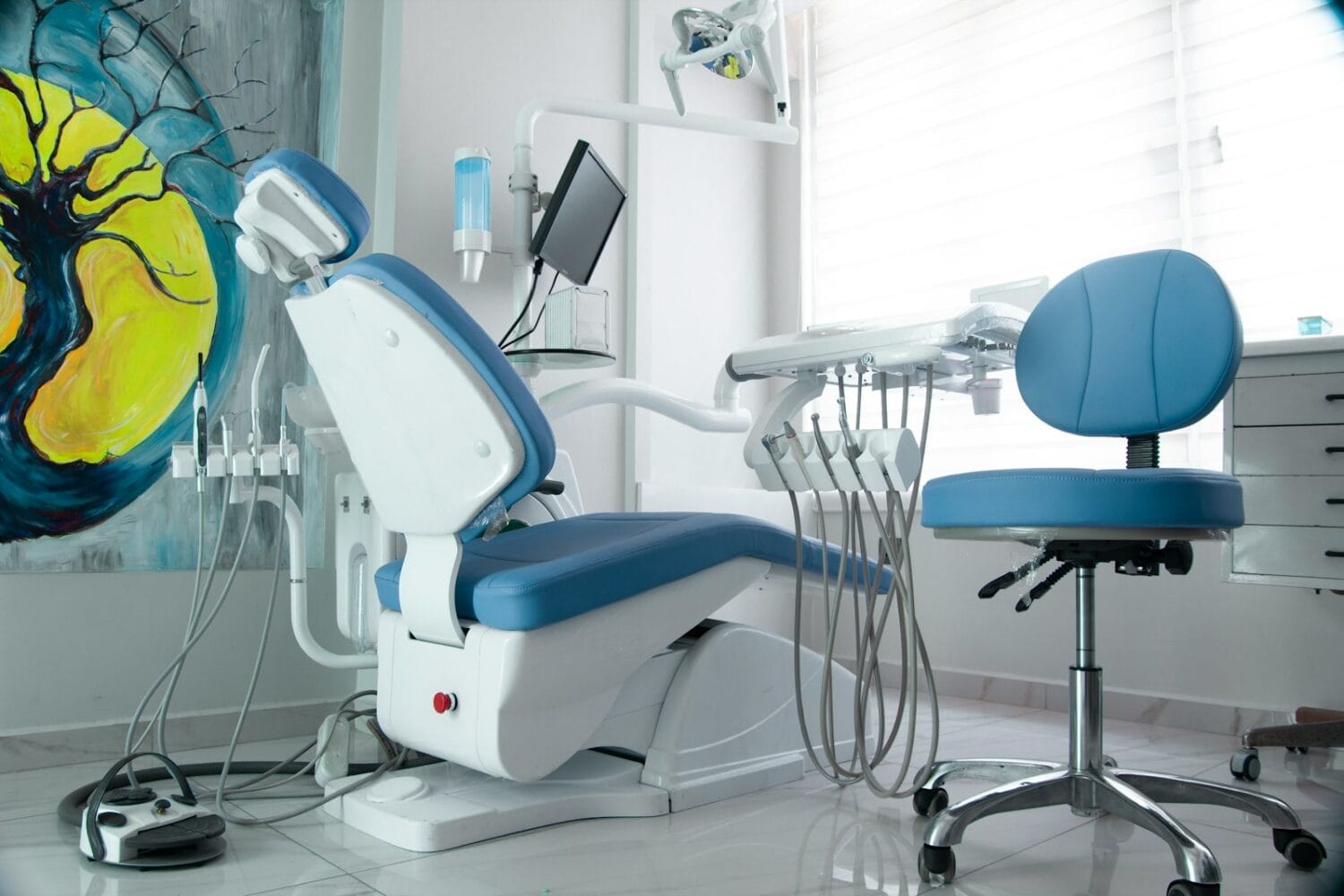
During routine treatment of caries in the office Sunnyside Dentistry for Children in Oregon, the boy was sedated to reduce pain and stress. However, there was sudden respiratory and circulatory arrest during the procedure. It was necessary reanimation, but despite rapid intervention induced hypoxia led to permanent brain damage of the child.
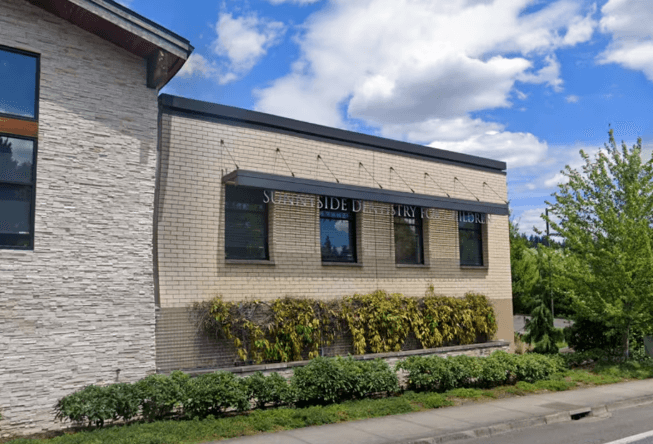
Sedation – what went wrong?
The boy's parents accuse the clinic of mistakes in monitoring his son's health and delayed staff response. In the lawsuit, they stress that adequate supervision and follow-up could prevent tragedy. Industry experts indicate that sedation in children requires constant heart rate, saturation and breathing control – even a temporary inaction can be dramatic in effect.
Currently, a four-year-old is described as deep, permanent neurological damage – The effects of brain hypoxia are irreversible. The child needs constant care, has not recovered and is unlikely to recover fully
My parents call clinics:
- delayed reaction of medical personnel.
- insufficient monitoring of the child's vital parameters during sedation,
- procedural errors in the use of sedation
Why is the treatment of children’s teeth at greater risk?
A small baby’s body is much more difficult to handle mistakes and doses of medication than an adult. Children lose consciousness more quickly when under-oxygenated, and the symptoms of danger are more difficult to notice – often unable to communicate. Therefore, each sedation procedure should be conducted by an experienced team and with full emergency equipment.